


The Way of Tea: A Master’s Guide to the Japanese Tea Ceremony and the Art of the Vessel
In the stillness before the first sip, there is a moment when the world softens.
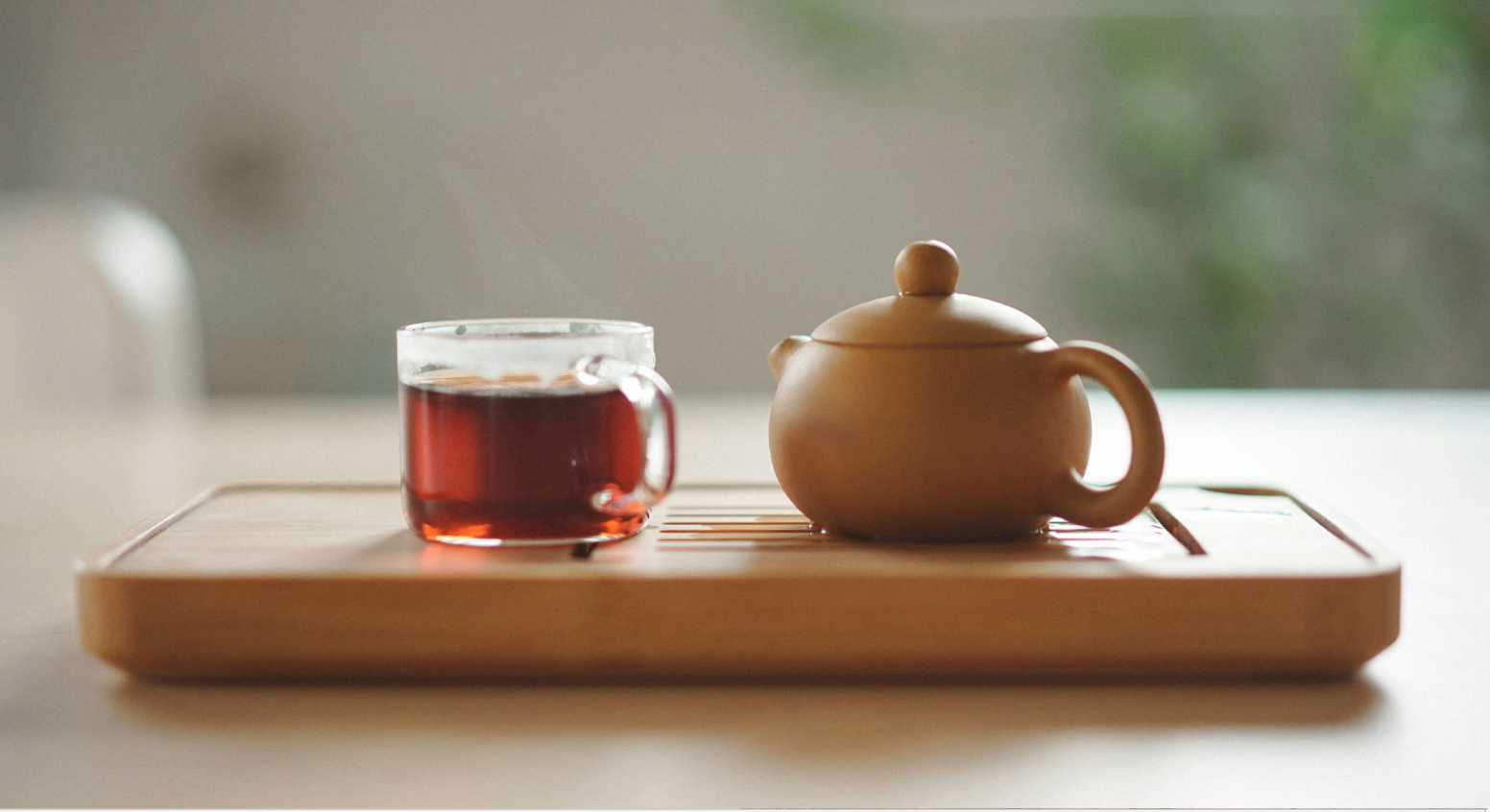
The steam rises gently from the bowl. Bamboo brushes against clay. Water hums inside the kettle with a sound the Japanese call matsukaze—the wind through pine trees. The vibrant green of whisked matcha glows against the earthy texture of handcrafted ceramic. Nothing is hurried. Nothing is excessive.
This is The Way of Tea.
Far beyond a beverage, the Japanese tea ceremony—chanoyu, chado, or sado—is a philosophy of presence, beauty, and intentional living. It is an art form shaped by centuries of Zen aesthetics, refined rituals, and reverence for craftsmanship. Every gesture, every utensil, and every silence carries meaning.
At Oriental Artisan, we believe true luxury is not found in excess, but in ritual. A handcrafted tea bowl is not merely a vessel. It is an heirloom-quality instrument that transforms a daily habit into a meditative practice.
This guide explores the philosophy, tools, rituals, and sensory depth of Japanese tea culture—while helping modern practitioners begin their own meaningful tea journey at home.
Quick Summary: Essential Japanese Tea Ceremony Tools
| Traditional Name | English Description | Purpose in the Ceremony |
|---|---|---|
| Chawan | Matcha tea bowl | Used for preparing and drinking matcha |
| Chasen | Bamboo whisk | Creates the signature frothy texture of matcha |
| Chashaku | Bamboo scoop | Measures matcha powder precisely |
| Natsume | Tea caddy | Stores ceremonial-grade matcha |
| Kama | Iron kettle | Heats water with steady, gentle warmth |
| Fukusa | Silk cloth | Used symbolically for purification |
| Kensui | Waste-water bowl | Collects discarded rinse water |
| Hishaku | Bamboo ladle | Transfers hot water with elegance and control |
What Is the Japanese Tea Ceremony?
Featured Snippet Answer
The Japanese tea ceremony is a ritualized preparation and serving of matcha rooted in Zen Buddhism and Japanese aesthetics. Known as chanoyu or chado (“The Way of Tea”), it emphasizes mindfulness, harmony, respect, purity, and tranquility through carefully choreographed movements and handcrafted teaware.
The origins of the tea ceremony trace back to the influence of Zen monks who brought powdered tea from China during the 12th century. Over centuries, the ritual evolved into a deeply refined cultural practice under tea masters such as Sen no Rikyū, whose philosophy transformed tea from aristocratic entertainment into a spiritual discipline grounded in simplicity and humility.
At its heart, the tea ceremony is not about performance.
It is about attention.
Attention to the guest.
Attention to the season.
Attention to the sound of boiling water.
Attention to the feel of clay against the hands.
The ceremony asks participants to step fully into the present moment.
The Philosophy Behind the Way of Tea
Ichigo Ichie — One Time, One Meeting
Perhaps the most profound principle in Japanese tea culture is Ichigo Ichie.
Translated loosely as “one time, one meeting,” the phrase reminds us that every encounter is unique and can never be repeated exactly as it is now. The tea gathering happening in this precise moment—with these people, this weather, this bowl, this atmosphere—will never exist again.
This awareness transforms even the simplest cup of tea into something sacred.
In a modern world obsessed with speed and distraction, the tea ceremony offers an alternative philosophy: to slow down enough to truly experience life.
The host prepares tea as if this encounter were once-in-a-lifetime.
The guest receives it with complete gratitude.
That is the spirit of tea.
Wabi-Sabi: The Beauty of Imperfection
Featured Snippet Answer
Wabi-sabi is a Japanese aesthetic philosophy that finds beauty in imperfection, impermanence, and natural simplicity. In tea culture, handcrafted bowls with irregular textures, asymmetry, and subtle flaws are valued because they reflect authenticity, humanity, and the passage of time.
Unlike industrial perfection, traditional Japanese teaware embraces organic irregularity.
A handcrafted tea bowl may have an uneven rim.
The glaze may pool unpredictably.
The clay may carry tiny marks from the artisan’s fingers.
These are not defects.
They are evidence of life.
This aesthetic philosophy is why serious tea practitioners value artisanal ceramics over factory-made pieces. Handmade bowls possess character, warmth, and individuality that cannot be replicated by machines.
At Oriental Artisan, this philosophy informs every carefully curated piece. Each bowl becomes not merely an object of use, but a companion in ritual.
Miyabi and Refined Elegance
While wabi-sabi embraces rustic simplicity, another Japanese aesthetic principle—miyabi—celebrates elegance, grace, and refinement.
The tea ceremony balances both worlds beautifully.
A rough-textured clay bowl may sit beside a silk cloth of exquisite delicacy.
Minimalism coexists with precision.
Humility coexists with artistry.
This harmony between restraint and refinement is what gives Japanese tea culture its enduring sophistication.
Kintsugi: Honoring the Story of Wear
Featured Snippet Answer
Kintsugi is the Japanese art of repairing broken ceramics with lacquer mixed with gold. Rather than hiding damage, it highlights cracks as part of the object’s history, symbolizing resilience, transformation, and beauty through imperfection.
Tea culture teaches that objects become more meaningful with time.
A bowl that has accompanied years of quiet morning rituals carries memory within its surface. Slight discoloration, softened texture, and repaired fractures become part of the vessel’s soul.
This perspective stands in sharp contrast to disposable consumer culture.
A true tea bowl is not replaced casually.
It is lived with.
Why Handmade Teaware Matters
The Difference Between Artisanal and Mass-Produced Tea Bowls
Featured Snippet Answer
Handmade Japanese tea bowls differ from mass-produced ceramics through their superior heat retention, tactile balance, unique glazing, and organic craftsmanship. Artisanal bowls enhance both the sensory experience and the meditative ritual of tea preparation.
A tea bowl is experienced with the entire body.
Its weight settles into the palms.
Its warmth radiates through the fingers.
Its rim touches the lips before the tea reaches the tongue.
These tactile details profoundly shape the tea experience.
Heat Retention
Handcrafted ceramics often use denser clay bodies and traditional kiln techniques that retain heat more naturally than lightweight industrial ceramics. This keeps matcha warmer longer while creating a more satisfying hand-feel.
Texture and Grip
Mass-produced bowls tend to feel mechanically smooth and emotionally neutral. Handmade bowls possess subtle variations in texture that create intimacy between the vessel and the user.
The earthy hum of clay grounds the ritual physically.
Visual Depth
Artisanal glazing creates layered tonal variation impossible to duplicate uniformly. Under shifting light, the bowl reveals different dimensions—deep mineral blues, ash whites, muted earth tones, or volcanic blacks.
Mouth-Feel
Even the rim of a handcrafted bowl matters. The thickness and contour affect how tea flows onto the palate, subtly influencing perception of texture and flavor.
These nuances may appear small.
But tea culture is built upon small things noticed deeply.
The Essential Tools of the Japanese Tea Ritual
The Chawan — The Soul of the Ceremony
The chawan, or tea bowl, is the emotional center of the tea ritual.
More than any other tool, it shapes the sensory and aesthetic experience of tea. Practitioners often develop lifelong attachment to particular bowls, using them seasonally or according to mood and occasion.
Winter bowls tend to be deeper to preserve warmth.
Summer bowls are often shallower and more open.
At Oriental Artisan, handcrafted chawans are selected not merely for appearance, but for balance, texture, and ceremonial presence.
A truly exceptional tea bowl invites pause before the first sip.
The Chasen — The Bamboo Whisk
The chasen transforms powdered matcha into vibrant froth.
Traditionally carved from a single piece of bamboo, the whisk contains delicate tines designed to suspend the tea evenly and create a smooth, velvety texture.
Cheap whisks often break quickly or fail to produce proper froth.
A well-crafted chasen creates both efficiency and elegance.
The rhythmic whisking itself becomes meditative.
The Chashaku — The Gesture of Precision
The bamboo scoop, or chashaku, embodies restraint and intentionality.
Unlike metal measuring spoons, the chashaku encourages graceful movement and tactile connection. Its curved form allows practitioners to measure matcha intuitively rather than mechanically.
Tea culture values feeling as much as exactness.
The Natsume — Preserving Freshness and Beauty
The natsume stores ceremonial-grade matcha safely while contributing visual harmony to the tea setting.
Often lacquered or finely finished, it reflects the Japanese understanding that even functional objects deserve beauty and care.
Preparing for a Home Tea Ritual
The Japanese tea ceremony may appear intimidating at first, but its essence is remarkably accessible.
You do not need a formal tea room.
You do not need years of training.
What matters most is intention.
A simple, thoughtful ritual practiced consistently can transform an ordinary morning into a moment of stillness and clarity.
A Step-by-Step Guide to a Simple Japanese Tea Ritual
Step 1: Prepare the Space
Begin by simplifying the environment.
Clear unnecessary clutter.
Lower distractions.
Allow silence to enter the room.
Some practitioners light incense or display a seasonal flower arrangement to cultivate atmosphere.
Tea begins before the water boils.
Step 2: Warm the Bowl
Pour hot water into the chawan and rotate it gently.
This warms the clay and prepares the vessel to receive tea. The bowl should feel alive in the hands—not cold or inert.
Discard the water carefully and wipe the bowl dry.
Notice the texture.
Notice the weight.
The ritual has already begun.
Step 3: Measure the Matcha
Using the chashaku, place 1–2 scoops of ceremonial-grade matcha into the bowl.
The powder should appear vivid emerald green with a fresh, grassy aroma.
High-quality matcha is essential.
Inferior matcha produces bitterness that disrupts the experience.
Step 4: Add Water
Heat water to approximately 70–80°C (158–176°F).
Boiling water scorches matcha and dulls its nuanced sweetness.
Pour a small amount into the bowl slowly and deliberately.
Listen to the sound of water meeting clay.
Step 5: Whisk with the Chasen
Using the bamboo whisk, move rapidly in a gentle “W” motion until a fine froth forms on the surface.
The tea should appear smooth, luminous, and velvety.
This step is often described as the heartbeat of the ritual.
The repetitive motion calms the mind while focusing attention fully on the present task.
Step 6: Receive the Bowl
Hold the bowl with both hands.
Rotate it slightly in respect before drinking.
Feel the warmth against your palms.
Observe the glaze.
Notice the aroma before tasting.
Tea is meant to be experienced slowly.
The Sensory Experience of Tea
Sound
The Japanese tea ceremony is deeply auditory.
The kettle hums softly.
Water pours in controlled streams.
Bamboo taps ceramic.
Whisks glide rhythmically.
Silence itself becomes part of the composition.
Touch
The tactile dimension of tea is impossible to separate from the ritual.
A handcrafted bowl with textured clay creates grounding physical presence. The slight irregularity of handmade ceramics keeps the practitioner connected to the human hands that formed it.
Industrial perfection often feels emotionally cold.
Artisanal craftsmanship feels alive.
Sight
Matcha possesses extraordinary visual beauty.
The luminous green froth against dark ceramic creates dramatic contrast. Seasonal flowers, linen textures, and natural light further enhance the atmosphere.
Japanese tea culture teaches that beauty should never shout.
It should reveal itself gradually.
Taste
Ceremonial-grade matcha offers layered complexity:
-
Fresh grass
-
Sweet cream
-
Umami depth
-
Subtle bitterness
-
Mineral softness
The bowl itself subtly influences taste perception through texture, temperature retention, and rim design.
This is why serious practitioners invest in quality vessels.
Tea as Moving Meditation
Modern wellness culture often separates mindfulness into apps, routines, and productivity systems.
The tea ceremony approaches mindfulness differently.
It embeds awareness into physical action.
Every gesture becomes intentional:
-
Folding cloth
-
Pouring water
-
Holding the bowl
-
Cleaning the whisk
This transforms ordinary movement into meditation.
Tea culture does not demand escape from life.
It teaches deeper participation within it.
Seasonal Awareness in Japanese Tea Culture
Japanese aesthetics are deeply tied to seasonality.
Tea gatherings shift subtly throughout the year:
-
Deeper bowls in winter
-
Lighter glazes in spring
-
Cooler visual palettes in summer
-
Earthier tones in autumn
This seasonal sensitivity cultivates appreciation for impermanence and change.
Even a single bowl can feel entirely different depending on weather, lighting, and mood.
Building a Personal Tea Practice
A meaningful tea practice does not require perfection.
It requires consistency.
You may begin with ten quiet minutes each morning.
One handcrafted bowl.
One whisk.
One intentional pause before the day begins.
Over time, the ritual deepens naturally.
The bowl acquires memory.
The gestures become instinctive.
The practice becomes refuge.
Why Tea Culture Resonates Today
In an age of acceleration, tea offers resistance.
Where algorithms encourage distraction, tea encourages attention.
Where mass production encourages disposability, tea honors craftsmanship.
Where modern life fragments the mind, tea restores wholeness.
This is why Japanese tea culture continues to resonate globally—not as trend, but as antidote.
People are not merely searching for beverages.
They are searching for rituals that reconnect them with themselves.
Choosing Your First Tea Ceremony Set
Beginning your journey does not require an elaborate collection.
In fact, simplicity aligns beautifully with the spirit of tea.
For a beginner’s first ritual, two pieces matter most:
The Chawan (Tea Bowl)
Your bowl becomes the center of your practice.
Choose one that feels grounding in the hands and emotionally resonant in its craftsmanship. Earth-toned glazes, organic textures, and balanced weight create a more immersive experience.
A handcrafted chawan from Oriental Artisan is designed not simply for display, but for daily ritual.
The Chasen (Bamboo Whisk)
A quality bamboo whisk ensures proper texture and elevates the tactile rhythm of preparation.
Together, the bowl and whisk create the foundation of authentic matcha practice.
Over time, additional tools—such as the chashaku and natsume—can deepen the ritual further.
Oriental Artisan and the Preservation of Ritual
At Oriental Artisan, we believe handcrafted teaware carries cultural memory.
Each vessel reflects generations of ceramic tradition, aesthetic philosophy, and reverence for ritual. These are not disposable lifestyle accessories. They are heirloom-quality instruments designed to accompany years of meaningful practice.
The goal is not simply to own beautiful objects.
It is to create moments of stillness within everyday life.
Moments where water, clay, tea, and attention converge.
Moments where presence becomes tangible.
Begin Your Own Practice
The Way of Tea begins quietly.
Not with mastery.
Not with perfection.
But with a single bowl held carefully in both hands.
A handcrafted chawan and bamboo chasen are enough to begin transforming tea from routine into ritual. Over time, the practice deepens naturally—through repetition, awareness, and appreciation for the artistry of the vessel itself.
At Oriental Artisan, our curated collection of Japanese teaware is designed for those seeking more than utility: those seeking connection, craftsmanship, and calm.
Begin your own practice.
Honor the moment.
And discover how a simple bowl of tea can become an art form in itself.


Leave a comment
This site is protected by hCaptcha and the hCaptcha Privacy Policy and Terms of Service apply.