


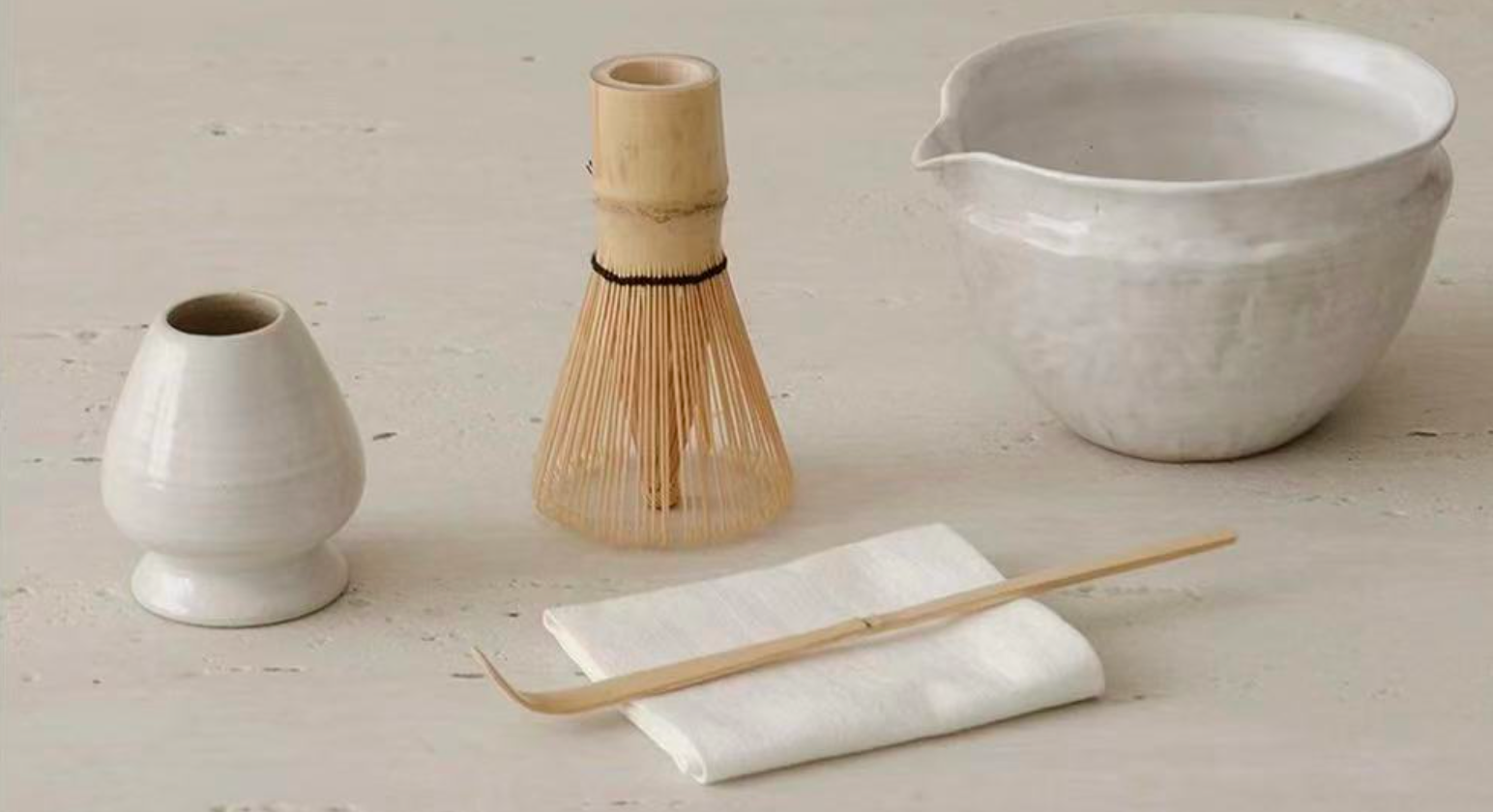
The Soul of Matcha: The Complete Guide to Japanese Matcha Bowls (Chawan) and How to Use Them
In Japan, tea is never merely a beverage.
It is a pause between moments. A gesture of respect. A quiet ritual where craftsmanship, mindfulness, and beauty meet in a single bowl.
At the center of this ritual sits the chawan — the Japanese matcha bowl. Humble in form yet profound in cultural significance, the matcha bowl transforms the preparation of tea into an experience of texture, warmth, rhythm, and contemplation.
For centuries, artisans have shaped these bowls by hand, embracing irregularity, natural glaze movement, and the philosophy of wabi-sabi: the beauty of imperfection and impermanence.
Today, matcha bowls have moved far beyond traditional tea rooms. They appear in modern homes, minimalist kitchens, luxury wellness rituals, and carefully curated gifting collections around the world. Yet many people still ask:
- What is a matcha bowl actually used for?
- Why are Japanese matcha bowls shaped differently?
- How do you choose the right matcha bowl?
- Does the bowl really change the taste and experience of matcha?
This guide explores everything you need to know about Japanese matcha bowls — from their cultural origins to practical usage, craftsmanship, etiquette, and care.
Whether you are a complete beginner or a lifelong tea enthusiast, understanding the matcha bowl reveals something deeper about Japanese tea culture itself: that beauty is not only seen, but held.
TL;DR: What Is a Matcha Bowl?
A matcha bowl, or chawan, is a specially designed Japanese tea bowl used to prepare and drink matcha green tea.
Unlike ordinary bowls, a traditional matcha bowl is crafted with:
- A wide base for whisking matcha properly
- Thick ceramic walls for heat retention
- Handcrafted textures that enhance grip and aesthetics
- Shapes designed for seasonality and tea ceremony traditions
A good matcha bowl improves:
- Matcha foam quality
- Whisking efficiency
- Drinking comfort
- The sensory experience of tea
Handmade Japanese matcha bowls are also prized as collectible art pieces and meaningful luxury gifts.
The Cultural History of the Matcha Bowl (Chawan)
The origins of matcha bowls trace back more than 800 years to the development of Japanese tea culture during the Kamakura period.
Powdered green tea was first introduced to Japan by Buddhist monks returning from China. Over time, Japanese tea masters transformed tea preparation into a refined spiritual and artistic practice known as chanoyu — the Japanese tea ceremony.
Within this tradition, the bowl became far more than a vessel.
It became:
- An object of contemplation
- A reflection of the season
- A representation of the host’s taste and philosophy
- A tactile connection between artisan and guest
Legendary tea masters such as Sen no Rikyū championed simplicity, asymmetry, and rustic beauty. Rather than favoring perfect porcelain symmetry, they embraced handmade ceramics with subtle irregularities.
This aesthetic philosophy profoundly shaped Japanese ceramics and continues to influence modern matcha bowls today.
In traditional tea gatherings, guests often admire the bowl before drinking. The texture, glaze, shape, and even imperfections are considered part of the experience.
The bowl is not separate from the tea.
The bowl is part of the tea.
What Makes a Matcha Bowl Different from Ordinary Bowls?
At first glance, a matcha bowl may seem simple. But every detail serves a purpose.
Unlike conventional bowls, a Japanese matcha bowl is specifically designed for whisking powdered tea into a smooth, frothy consistency.
Key Differences Between Matcha Bowls and Regular Bowls
| Feature | Matcha Bowl (Chawan) | Ordinary Bowl |
|---|---|---|
| Shape | Wide and open | Often narrow |
| Purpose | Whisking and drinking matcha | General food serving |
| Texture | Handcrafted grip and tactile feel | Usually smooth |
| Heat Retention | Thick ceramic walls | Varies |
| Aesthetic Philosophy | Wabi-sabi craftsmanship | Functional design |
| Tea Ceremony Use | Essential | Not designed for ritual |
The wide interior allows the bamboo whisk (chasen) to move rapidly in a zigzag motion, creating the signature layer of fine foam prized in Japanese matcha.
Without a proper bowl, achieving the ideal texture becomes significantly more difficult.
Anatomy of a Traditional Matcha Bowl
Every authentic matcha bowl contains carefully considered design elements.
The Rim (Kuchi)
The rim affects how the tea touches the lips. Some bowls feature slightly curved rims for smoother drinking.
The Body
The body determines grip, thermal insulation, and visual character.
Handmade bowls often feature:
- Natural glaze drips
- Finger marks
- Organic asymmetry
- Earthy textures
The Foot (Kodai)
The foot ring elevates the bowl and reflects the artisan’s craftsmanship.
Tea masters often inspect the foot carefully when evaluating ceramics.
The Interior
The interior is intentionally wide and open to allow effective whisking.
A well-designed interior helps create:
- Better foam
- Smoother mixing
- Fewer clumps
Why Matcha Bowls Are Often Imperfect: The Philosophy of Wabi-Sabi
One of the most fascinating aspects of Japanese tea bowls is that they are rarely perfectly symmetrical.
To Western eyes, these irregularities may initially appear accidental.
In Japanese aesthetics, they are deeply intentional.
What Is Wabi-Sabi?
Wabi-sabi is a Japanese philosophy that finds beauty in:
- Imperfection
- Simplicity
- Natural aging
- Organic forms
- Transience
A handcrafted matcha bowl may include:
- Uneven glazing
- Slight asymmetry
- Variations in texture
- Tiny firing marks
These details are celebrated because they reveal the presence of the human hand.
No two handmade matcha bowls are ever identical.
That uniqueness is precisely what makes them valuable.
Different Types of Matcha Bowls
Not all matcha bowls are the same. Different forms serve different purposes, seasons, and aesthetic preferences.
Seasonal Matcha Bowls
In Japanese tea culture, bowls often change with the seasons.
Summer Matcha Bowls
- Wider shape
- Shallower depth
- Promotes cooling
Winter Matcha Bowls
- Taller walls
- Narrower opening
- Retains warmth longer
This seasonal sensitivity reflects the Japanese appreciation for harmony with nature.
Traditional vs Modern Matcha Bowls
Traditional Matcha Bowls
Traditional bowls often feature:
- Earthy tones
- Rustic glazes
- Historical kiln styles
- Organic asymmetry
Popular traditional styles include:
- Raku ware
- Shino ware
- Oribe ware
Modern Matcha Bowls
Contemporary artisans may incorporate:
- Minimalist Scandinavian influences
- Matte monochrome finishes
- Sleek silhouettes
- Modern glazing techniques
These modern interpretations appeal to younger tea drinkers and design-conscious interiors.
Handmade vs Factory-Made Matcha Bowls
| Handmade Matcha Bowl | Factory-Made Matcha Bowl |
|---|---|
| Unique character | Uniform appearance |
| Artisan craftsmanship | Mass production |
| Natural glaze variations | Consistent finish |
| Collectible value | Lower artistic value |
| Greater emotional connection | Primarily functional |
For tea enthusiasts and collectors, handmade bowls offer a far richer sensory and emotional experience.
How to Choose the Right Matcha Bowl
Choosing a matcha bowl is deeply personal.
The “best” bowl depends on your lifestyle, aesthetic preferences, and tea ritual.
For Beginners
Look for:
- Wide interior
- Medium depth
- Comfortable grip
- Durable ceramic construction
A balanced shape makes whisking easier while learning technique.
For Daily Use
Choose bowls that feel natural in your hands.
Consider:
- Weight
- Texture
- Heat retention
- Ease of cleaning
Many tea drinkers eventually develop emotional attachments to specific bowls used during daily rituals.
For Collectors
Collectors often value:
- Handmade craftsmanship
- Rare kiln traditions
- Signed artisan pieces
- Unusual glaze effects
In Japanese tea culture, the story behind a bowl can be just as meaningful as its appearance.
For Luxury Gifts
Handmade matcha bowls make exceptional gifts because they combine:
- Cultural meaning
- Functional beauty
- Artisan craftsmanship
- Wellness and mindfulness symbolism
A curated matcha set communicates thoughtfulness, refinement, and appreciation for craftsmanship.
Step-by-Step Guide: How to Use a Matcha Bowl
Preparing matcha properly is both simple and meditative.
What You Need
- Matcha bowl (chawan)
- Bamboo whisk (chasen)
- Bamboo scoop (chashaku)
- Ceremonial-grade matcha
- Hot water (not boiling)
Step 1: Warm the Bowl
Pour warm water into the bowl to gently heat the ceramic.
This:
- Preserves temperature
- Helps whisking
- Enhances aroma
Discard the water afterward.
Step 2: Add Matcha Powder
Scoop 1–2 portions of matcha into the bowl.
For smoother tea, sift the powder first to remove clumps.
Step 3: Add Water
Add a small amount of hot water around 70–80°C (158–176°F).
Boiling water can make matcha taste bitter.
Step 4: Whisk the Matcha
Using the bamboo whisk, move rapidly in a zigzag “M” motion.
Do not stir in circles.
The goal is to create:
- Fine foam
- Smooth texture
- Even consistency
Step 5: Enjoy Mindfully
Before drinking, take a moment to appreciate:
- The bowl’s texture
- The glaze
- The warmth in your hands
- The aroma of the tea
This pause is central to the spirit of Japanese tea culture.
Matcha Bowl Etiquette in Japanese Tea Ceremony
Traditional tea ceremony etiquette reflects mindfulness and respect.
Basic Matcha Bowl Etiquette
- Lift the bowl with both hands
- Rotate the bowl slightly before drinking
- Avoid drinking directly from the front decorative side
- Admire the craftsmanship afterward
These gestures symbolize humility and appreciation.
Even casual tea rituals can incorporate elements of this intentionality.
How to Clean and Care for Matcha Bowls
Handmade matcha bowls deserve gentle care.
Cleaning Tips
- Wash by hand only
- Use warm water and mild soap
- Avoid abrasive scrubbers
- Dry completely before storage
What to Avoid
- Dishwashers
- Microwave use (unless specified safe)
- Sudden temperature changes
- Stacking fragile handmade bowls
Proper care allows ceramic tea bowls to last for generations.
Essential Matcha Bowl Pairings
A complete matcha ritual includes more than the bowl itself.
Bamboo Whisk (Chasen)
The whisk creates the signature frothy texture.
Different whisk designs produce different foam densities.
Tea Scoop (Chashaku)
Traditionally carved from bamboo, the scoop measures matcha elegantly and consistently.
Matcha Whisk Holder
A whisk holder preserves the shape of the bamboo whisk and extends its lifespan.
Together, these tools transform matcha preparation into a complete sensory ritual.
Why Handmade Matcha Bowls Make Exceptional Luxury Gifts
In an era dominated by mass production, handmade objects feel increasingly meaningful.
A handcrafted matcha bowl represents:
- Time
- Skill
- Cultural heritage
- Human artistry
Unlike disposable gifts, artisan ceramics invite daily use and emotional connection.
They are especially popular for:
- Corporate gifting
- Weddings
- Housewarming gifts
- Wellness gifts
- Luxury lifestyle gifting
For many recipients, receiving a handmade matcha bowl becomes an invitation into a slower, more intentional way of living.
How Oriental Artisan Curates Authentic Matcha Bowls
At Oriental Artisan, matcha bowls are curated not simply as products, but as cultural objects that carry craftsmanship, heritage, and story.
The collection emphasizes:
- Handmade artisan ceramics
- Authentic Japanese aesthetics
- Timeless minimalist design
- Functional beauty
- Premium gifting quality
Rather than chasing trends, Oriental Artisan focuses on pieces that embody enduring craftsmanship and tactile authenticity.
Each bowl is selected for:
- Balance and usability
- Glaze character
- Artisan individuality
- Emotional resonance
- Long-term collectibility
For tea enthusiasts, collectors, and thoughtful gift buyers, these bowls become more than tableware.
They become part of a personal ritual.
Frequently Asked Questions About Matcha Bowls
What is a matcha bowl used for?
A matcha bowl is used to prepare and drink matcha tea. Its wide shape allows proper whisking with a bamboo whisk to create smooth, frothy matcha.
Can you make matcha without a matcha bowl?
Yes, but a traditional matcha bowl significantly improves whisking, texture, and the overall tea experience.
Why are matcha bowls uneven?
Many handmade matcha bowls intentionally embrace asymmetry as part of the Japanese wabi-sabi philosophy, which values imperfection and natural beauty.
What size should a matcha bowl be?
Most matcha bowls range from 4.5 to 5 inches wide, providing enough space for whisking comfortably.
Are handmade matcha bowls better?
Handmade matcha bowls often offer superior craftsmanship, individuality, texture, and artistic value compared to factory-made alternatives.
How do you clean a matcha bowl?
Wash gently by hand using warm water and mild soap. Avoid dishwashers and harsh scrubbing tools.
What is the difference between a chawan and a regular bowl?
A chawan is specifically designed for whisking and drinking matcha, featuring proportions and craftsmanship optimized for tea preparation.
The Quiet Beauty of the Matcha Bowl
In modern life, speed is often treated as a virtue.
The matcha bowl offers another perspective.
It reminds us that preparation can be as meaningful as consumption. That the texture of clay, the movement of a whisk, and the warmth of a handmade bowl can transform an ordinary drink into a moment of stillness.
Perhaps this is why matcha culture continues to resonate globally.
Not because it is fashionable, but because it answers something many people quietly seek: ritual, calm, craftsmanship, and presence.
At Oriental Artisan, each curated matcha bowl reflects this philosophy — honoring the enduring artistry of Japanese tea culture while bringing timeless beauty into contemporary living.
Explore the collection of authentic handmade matcha bowls, tea accessories, and artisan tea ware to begin — or deepen — your own matcha ritual.


Leave a comment
This site is protected by hCaptcha and the hCaptcha Privacy Policy and Terms of Service apply.