


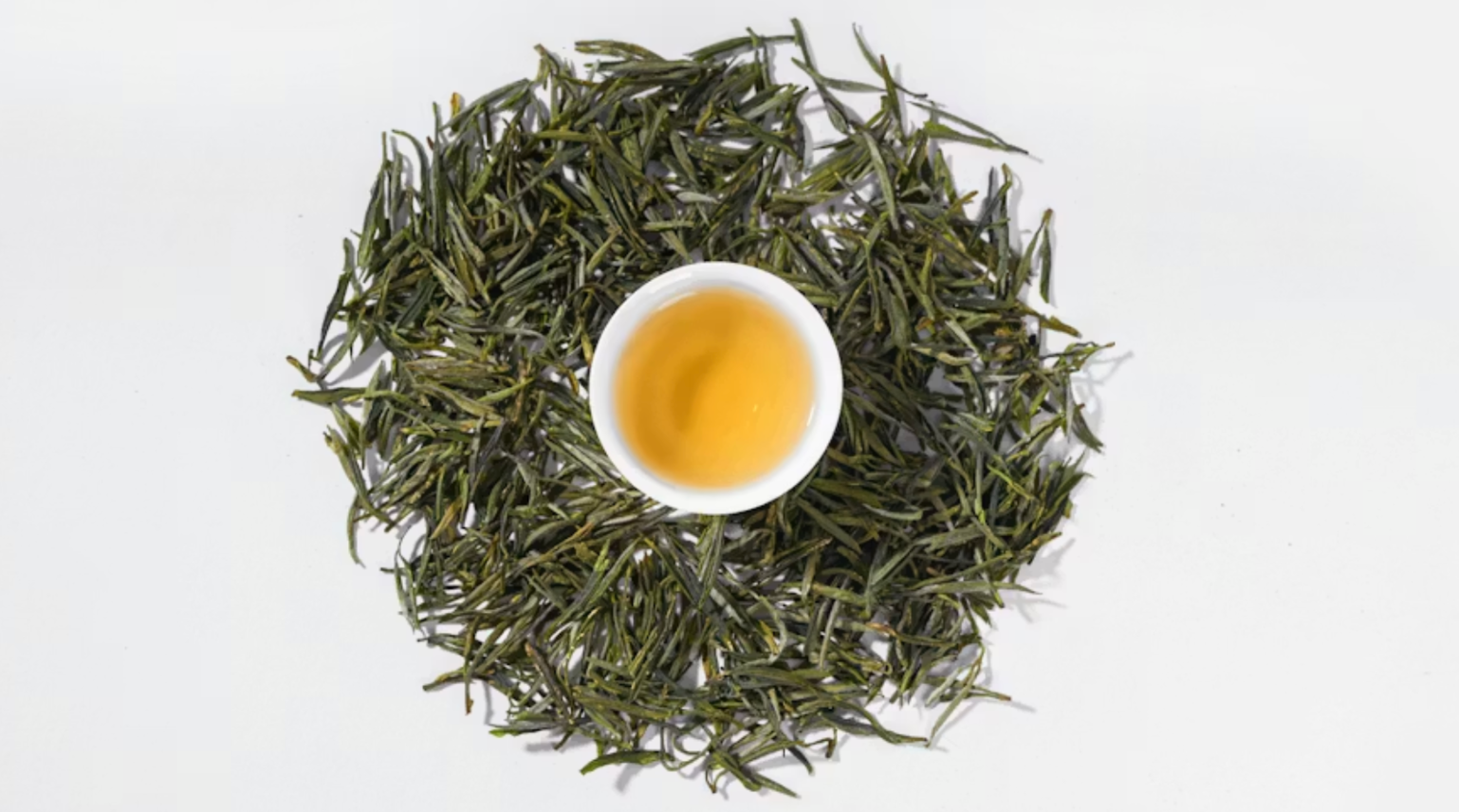
The Alchemy of Wellness: A Master Guide to Functional & Nutraceutical Teas
In the contemporary landscape of high-performance longevity and biological optimization, the boundaries between ancient ritual and modern pharmacology have become increasingly porous. The discerning global citizen no longer views the consumption of tea as a mere social grace or a moment of quietude; rather, it is recognized as a sophisticated delivery system for bioactive compounds designed to modulate the very fabric of human physiology. This transition marks the dawn of the "Nutraceutical Era," a period where the traditional "beverage" is elevated to the status of a "functional infusion." At the heart of this movement is the understanding that the efficacy of these botanicals is not inherent to the leaf alone but is the result of a precise chemical extraction process governed by the laws of thermodynamics and material science. For the patrons of Oriental Artisan, the tea set is re-imagined not as an accessory, but as a critical laboratory apparatus—a tool for "Nutraceutical Optimization" that ensures the preservation and bioavailability of nature’s most potent molecules.
Key Takeaways for the Optimized Individual
The following synthesis provides an immediate overview of the critical intersections between tea chemistry, biological targets, and the requisite artisanal apparatus for maximum efficacy.
| Functional Pillar | Primary Bioactive Compounds | Biological Mechanism | Optimal Apparatus |
| Metabolic Vigor | Theabrownins, Caffeine, EGCG | BAT Activation, AMPK Signaling | Yixing Zisha Clay (Porosity-driven extraction) |
| Cognitive Resilience | L-Theanine, Flavonoids, Polyphenols | Alpha Brain Wave Induction, GABA Support | Mutton-Fat Jade Porcelain (Thermal stability) |
| Longevity & Aging | Gypenosides, Saponins, SIRT1 | Autophagy Stimulation, SIRT1 Activation | Jingdezhen Gaiwan (Precision temperature control) |
| Systemic Calm | Adaptogens, Catechins, Minerals | Cortisol Suppression, Vagus Nerve Tone | Handcrafted Ritual Tools (Mindfulness focus) |
Defining the Nutraceutical Era: The Transition to Functional Infusions
The shift from seeing tea as a dietary staple to a functional nutraceutical requires an appreciation of the complex phytochemical matrix contained within the Camellia sinensis plant and its herbal counterparts. In this era, the focus is on the multi-targeted modulation of cellular pathways, moving beyond simple hydration to targeted biological outcomes.
The Science of Polyphenols and Catechins
Polyphenols represent the most significant bioactive component in tea, accounting for approximately 15% to 35% of the dry weight. Within this category, catechins—most notably epigallocatechin gallate (EGCG)—serve as the primary drivers of antioxidant, anti-inflammatory, and anti-obesity properties. Clinical research indicates that tea polyphenols possess the capacity to neutralize harmful free radicals and control the function of enzymes in the body, thereby preventing the onset of chronic ailments such as atherosclerosis and cardiovascular disease.
The efficacy of EGCG is particularly noteworthy in the context of cellular protection. By inhibiting abnormal cell growth and enhancing apoptosis (programmed cell death), EGCG acts as a guardian of genomic integrity. Furthermore, recent investigations into the antiviral properties of catechins have demonstrated their ability to bind to cellular proteins and interact with ACE2 receptors, potentially disrupting the entry mechanisms of various DNA and RNA viruses.
L-Theanine: The Molecular Blueprint for Cognitive Harmony
L-theanine, a unique non-protein amino acid found abundantly in tea leaves, is the quintessential neuro-modulator of the nutraceutical era. It is well absorbed in the intestine and possesses the rare ability to cross the blood-brain barrier, where it increases the presence of alpha brain waves associated with a state of "calm yet alert" mental clarity.
Recent advancements in network pharmacology and molecular docking simulations have begun to elucidate the specific mechanisms underlying L-theanine’s neuropsychological profile. Researchers have identified five hub targets—PRKACA, GRIA2, GRIN1, GRIA1, and HTR1A—that are intimately involved in the pathological processes of depression and anxiety. By modulating glutamatergic synaptic transmission and stress response signaling, L-theanine offers a hypothesis-generating foundation for the development of natural antidepressant strategies.
The Rise of Adaptogenic Infusions
Beyond the traditional tea plant, the nutraceutical era embraces adaptogens—herbs that enhance the body’s resilience to physical, emotional, and mental stress. Ingredients such as Gynostemma pentaphyllum are rich in saponins that help regulate the body’s cortisol levels and maintain homeostasis. These adaptogenic infusions are not merely reactive treatments for stress but proactive tools for the maintenance of energy and immune function, supporting the body’s innate ability to adapt to the rigors of the modern environment.
The High-End Taxonomy: A Curated Selection of Functional Elixirs
To navigate the nutraceutical landscape with precision, one must understand the distinct chemical profiles and historical lineages of the primary functional teas. Each variety serves as a specialized tool for a specific biological objective.
Aged Puerh: The Microbial Masterpiece for Gut Health
Aged Puerh stands unique among teas as the only variety that undergoes true microbial fermentation rather than mere oxidation. This fermentation process, which can span decades, allows microbial activity to break down complex carbohydrates and amino acids, giving birth to a rich array of probiotics and theabrownins.
| Component | Biological Action | Outcome |
| Theabrownins | Lipid metabolism regulation | Reduced cholesterol and fat breakdown |
| Probiotics | Gut microbiota remodeling | Enhanced digestion and immune balance |
| Caffeine | Metabolic stimulation | Increased energy expenditure |
Research has demonstrated that Puerh tea extract significantly attenuates obesity by remodeling the gut microbiota and activating Brown Adipose Tissue (BAT). BAT serves as the body’s core thermogenic organ, dissipating energy as heat through non-shivering thermogenesis. By increasing the abundance of probiotics and reducing the Firmicutes/Bacteroidetes ratio, Puerh tea shifts the body’s energy preference toward lipid metabolism, making it an essential elixir for metabolic optimization.
Wild Gynostemma: The "Ginseng of the South" and AMPK Activation
Gynostemma pentaphyllum, often referred to as "South Asian Ginseng," is a herbaceous vine prized for its longevity-promoting properties. Its primary active constituents, gypenosides, are saponins that share a significant chemical similarity with the ginsenosides found in Panax ginseng, particularly in their ability to enhance cognitive function and regulate the SIRT1 anti-aging pathway.
The defining characteristic of Gynostemma is its role as a potent activator of AMP-activated protein kinase (AMPK), the "master metabolic regulator." AMPK is a sensor of cellular energy status that declines with age, leading to reduced autophagic clearance and increased oxidative stress. By activating AMPK, Gynostemma mimics the effects of physical exercise and caloric restriction, promoting fat burning, enhancing glucose uptake in muscle tissue, and increasing mitochondrial biogenesis. In clinical trials, subjects consuming Gynostemma extract showed a significant reduction in abdominal fat and improved aerobic performance, marking it as a critical tool for longevity and metabolic resilience.
High-Mountain Oolong: Metabolic Focus and Fatty Acid Oxidation
Oolong tea, a partially fermented tea originating from the misty highlands of Fujian and Taiwan, occupies a unique space between green and black teas. High-mountain Oolongs are cultivated with extreme care, resulting in complex floral and fruity notes that contain a high concentration of polyphenols.
Aged Oolong teas have been shown to reduce fat accumulation and dyslipidemia by regulating the AMPK/ACC signaling pathway. By increasing the phosphorylation of AMPK and up-regulating the expression of CPT-1, Oolong tea promotes fatty acid oxidation while simultaneously down-regulating the enzymes responsible for fatty acid synthesis and inflammation. This dual action makes High-Mountain Oolong an ideal infusion for those seeking to enhance metabolic focus and cardiovascular health.
Optimization via Apparatus: The Material Science of the Tea Vessel
The central tenet of the "Alchemy of Wellness" is that the vessel of preparation is as critical as the tea itself. To achieve "Nutraceutical Optimization," the apparatus must be chosen based on its ability to maximize the extraction and preservation of bioactive compounds. Oriental Artisan’s collections are designed to meet these exacting standards through superior material science.
The Bioavailability Factor: Porosity and Extraction
The material of the teapot has a profound impact on the chemical composition of the final infusion. Comparative studies have demonstrated that the unique porosity and mineral content of Yixing clay—specifically Zisha and Zhuni—significantly alter the profile of the tea.
| Teapot Material | Total Catechin Extraction | Caffeine Content | Mineral Release |
| Zisha Clay | High (Specifically EGC, EGCG) | Low | Low (Selective filtering) |
| Zhuni Clay | High (Specifically EGC, EGCG) | Low | Low (Selective filtering) |
| Ceramic/Porcelain | Moderate | Moderate | High (Non-selective) |
| Glass | Low | High | Minimal |
Scientific analysis via scanning electron microscopy reveals that Zisha clay consists of 0.01–0.02 mm cavities that make up 20% of the clay volume. This structure allows for the absorption of volatile compounds that can cause bitterness, while simultaneously promoting the extraction of healthy catechins like EGCG. Furthermore, the iron oxide, silicon dioxide, and aluminum oxide present in the clay act as catalysts and stabilizers for the tea’s phytochemicals. For a collector, a well-seasoned Zisha pot is not just a work of art; it is a specialized tool that produces an infusion that is less bitter, more fragrant, and more healthful than that produced in glass or stainless steel.
Mutton-Fat Jade Porcelain: Thermal Stability and Non-Reactivity
Dehua porcelain, particularly the rare "Mutton-Fat Jade" variety, represents the pinnacle of non-porous brewing technology. Prized for its translucent clarity and suet-like texture, this porcelain is characterized by its high density and exceptional thermal retention.
The thermal stability of Mutton-Fat Jade is crucial for the preservation of heat-sensitive nutraceuticals. EGCG, for instance, is prone to thermal degradation and epimerization if subjected to inconsistent temperatures during the brewing process. Dehua porcelain’s ability to keep the water temperature consistent ensures that the full spectrum of antioxidants is extracted without the loss of biological activity. Additionally, the impermeable surface of porcelain prevents the retention of decayed food particles or bacterial growth, ensuring that the purity of each functional infusion is maintained. Oriental Artisan’s Mutton-Fat Jade collections, such as the "Silver Daisy" trio, provide a non-reactive environment that protects the integrity of the tea’s delicate molecular structure.
The Jingdezhen Gaiwan: Precision and Control
The Gaiwan, or "three-talent tureen," is perhaps the most versatile tool in the connoisseur’s laboratory. The design, consisting of a lid, bowl, and tray, is a testament to scientific brewing principles. The lid serves to lock in delicate aromas and essential oils, while the bowl allows for rapid heat dissipation when necessary to prevent the scalding of tender leaves. Oriental Artisan’s Jingdezhen Gaiwans, such as the "Lapis Lazuli Gemstone" model, combine this traditional precision with high-end materials that offer low thermal conductivity, ensuring a comfortable and controlled brewing experience even at high temperatures.
The Ritual of Bioavailability: The Physiology of the Tea Ceremony
The efficacy of a functional infusion is not determined solely by the chemistry of the tea or the physics of the vessel; it is profoundly influenced by the physiological state of the consumer. The mindfulness of a proper tea ceremony is a biological prerequisite for optimal nutrient absorption.
Cortisol Suppression and the Parasympathetic Bridge
The human body’s ability to absorb nutrients is governed by the autonomic nervous system. High levels of the stress hormone cortisol are associated with a state of "fight-or-flight," which diverts energy away from the digestive and absorptive systems. Prolonged exposure to cortisol can lead to systemic inflammation and reduced responsiveness to insulin and other metabolic regulators.
| Nervous System Branch | Dominant Hormone | Physiological State | Absorption Efficacy |
| Sympathetic | Cortisol/Adrenaline | Stress (Fight-or-Flight) | Reduced |
| Parasympathetic | Acetylcholine | Calm (Rest-and-Digest) | Enhanced |
The act of preparing and drinking tea in a ritualized manner serves as a meditative practice that activates the parasympathetic nervous system. This shift from a sympathetic state to a parasympathetic state, facilitated by the release of acetylcholine, signals to the body that it is safe to engage in energy conservation and nutrient processing. Studies have shown that a simple tea ritual can lead to significantly lower post-stress cortisol levels and greater subjective relaxation, thereby creating the ideal internal environment for the absorption of the tea’s functional benefits.
The Vagus Nerve and Intestinal Absorption
The vagus nerve, the primary component of the parasympathetic nervous system, acts as a bidirectional neuroimmune network between the gut and the brain. Stimulating the vagus nerve through mindful ritual increases its tone, which in turn enhances the barrier function of the intestines and modulates the composition of the gut microbiota.
Many polyphenols have poor bioavailability due to their high molecular weight and susceptibility to efflux pumps in the gut wall. However, in a parasympathetic state, the gut microbiota are more efficient at transforming these parent polyphenols into bioavailable metabolites that can more easily cross the intestinal epithelium and enter the bloodstream. Thus, the "Ritual of Bioavailability" is not just a cultural preference but a scientific necessity for the elite consumer who seeks the maximum return on their nutraceutical investment.
Science & Tradition: A Functional Tea FAQ
To ensure that the alchemy of wellness remains accessible and verifiable, the following section addresses the most common inquiries regarding the optimization of functional infusions.
How does theabrownin in Aged Puerh affect metabolism?
Theabrownin is a large-molecule polyphenol formed during the fermentation of Puerh tea. It has been shown to regulate lipid metabolism by remodeling the gut microbiota and activating brown adipose tissue (BAT), which increases energy expenditure through heat dissipation.
What is the specific role of AMPK in longevity?
AMPK (AMP-activated protein kinase) acts as the body's master energy sensor. Its activation promotes cellular self-renewal (autophagy), enhances insulin sensitivity, and increases mitochondrial biogenesis, all of which are critical for delaying the aging process.
Why is Mutton-Fat Jade porcelain preferred for White and Oolong teas?
These teas contain delicate antioxidants and volatile aroma compounds that are easily degraded by extreme heat or mineral contamination. Mutton-Fat Jade porcelain is non-porous and offers exceptional thermal stability, ensuring a pure extraction without the loss of these fragile molecules.
Can a tea ceremony truly impact cortisol levels?
Yes. Clinical studies have demonstrated that the ritualistic consumption of tea significantly reduces cortisol levels and enhances post-stress recovery. This is achieved by shifting the body into a parasympathetic state, which is optimal for metabolic and immune health.
What are gypenosides, and how do they differ from ginsenosides?
Gypenosides are the active saponins found in Gynostemma. While they are chemically similar to the ginsenosides found in Panax ginseng, they are particularly effective at activating the AMPK pathway, making them superior for weight management and metabolic resilience.
The Connoisseur’s Laboratory: A Call to Optimization
The pursuit of longevity and wellness is a journey of uncompromising excellence. It is a commitment to the understanding that every detail—from the origin of the leaf to the mineral structure of the vessel—contributes to the final outcome. In the "Alchemy of Wellness," the consumer is not a passive recipient of nutrition but an active participant in the optimization of their own biology.
Oriental Artisan invites you to explore our masterfully crafted collections, where each piece is designed to serve as a high-precision instrument in your personal wellness laboratory. Whether you seek the gut-healing power of an Heirloom Tang Dynasty Puerh or the metabolic fire of a Wild Gynostemma infusion, our tea sets provide the critical bridge between nature’s potential and your body’s realization.
Discover the Lapis Lazuli Gemstone Gaiwan, designed for the precise control of theanine extraction, or the Silver Daisy Mutton-Fat Jade trio, engineered for the thermal preservation of rare antioxidants. Visit the Oriental Artisan collection today and find the specific apparatus that will unlock the full potential of your functional infusions. The era of nutraceutical optimization has arrived—ensure your tools are worthy of the task.


Leave a comment
This site is protected by hCaptcha and the hCaptcha Privacy Policy and Terms of Service apply.