


The Art of Living Well: A Comprehensive Guide to the Science-Backed Health Benefits of Tea
The global narrative of human health has, for over five millennia, been inextricably linked to the infusion of a simple leaf. While ancient civilizations from the high altitudes of the Himalayas to the imperial courts of the Tang Dynasty revered tea as a medicinal cornerstone, contemporary clinical research has recently begun to decode the complex molecular architecture that justifies this historical reverence. The benefits of drinking tea represent a sophisticated intersection of botany, biochemistry, and ritual psychology, offering a holistic framework for longevity in a modern world characterized by physiological and environmental stressors. For the health-conscious individual, tea is not merely a beverage but a functional tool for biological optimization, provided the leaves are treated with the precision that their chemical complexity demands.
The Science of the Leaf: Molecular Foundations of Camellia Sinensis
At the center of the global tea tradition is a single botanical species: Camellia sinensis. Whether the final product is a delicate white tea or a robust, fermented pu-erh, the primary source remains consistent, yet the chemical profile is radically transformed by the degree of oxidation and the temperature of the processing environment. The leaf serves as a miniature laboratory, containing over 2,000 identifiable compounds, including polyphenols, amino acids, and essential minerals.
The Architecture of Polyphenols and Catechins
The most celebrated components of the leaf are the polyphenols, specifically a class of flavonoids known as catechins. In the unoxidized state of green tea, these compounds are preserved in their most potent form. The primary catechin, Epigallocatechin-3-gallate (EGCG), has a molecular formula and serves as a formidable scavenger of free radicals. These reactive oxygen species (ROS) are the primary drivers of oxidative stress, which leads to cellular aging, DNA mutation, and chronic inflammation.
| Polyphenol Category | Key Chemical Species | Biological Function |
| Catechins | EGCG, ECG, EGC, EC | Neutralization of ROS, neuroprotection |
| Theaflavins | Theaflavin-3-gallate | Cardiovascular defense, anti-inflammatory |
| Thearubigins | Complex polymeric polyphenols | Gut microbiome support, antioxidant activity |
| Flavonols | Quercetin, Kaempferol, Myricetin | Vascular elasticity, anti-aging |
The mechanism through which these antioxidants in tea operate involves a high-affinity binding to specific proteins and the modulation of intracellular signaling pathways, such as the NF-κB pathway, which regulates the body's inflammatory response. By inhibiting the enzymes that promote cellular degradation, tea for wellness provides a proactive defense against the slow attrition of chronic disease.
L-Theanine and the Cognitive Synergy
One of the most profound benefits of drinking tea is the presence of the unique amino acid L-theanine. Found almost exclusively in Camellia sinensis, L-theanine is a structural analog of glutamate and glutamine. Its ability to cross the blood-brain barrier allows it to exert direct influence on the central nervous system by modulating neurotransmitters like Gamma-aminobutyric acid (GABA), dopamine, and serotonin.
Clinical observations indicate that L-theanine promotes an increase in alpha-frequency brain waves (8–13 Hz), which are associated with a state of "relaxed alertness." When consumed in tandem with the moderate caffeine levels found in tea, L-theanine creates a synergistic effect that sharpens executive function and focus while mitigating the "jitters" often associated with higher-caffeine beverages like coffee. This unique chemical partnership is why many professionals consider tea to be the best tea for health when seeking sustained mental clarity without the subsequent crash.
A Guide by Variety: The Impact of Processing on Therapeutic Potential
The diversity of tea for wellness is the result of varying degrees of enzymatic oxidation, a process often mistakenly referred to as fermentation. The level of oxidation dictates the transition of simple catechins into complex tannins and polymers, fundamentally altering the flavor and the biological impact of the brew.
White Tea: Minimalist Purity and Anti-Aging
White tea is the most elemental form of the beverage, harvested from young buds and leaves that have not yet fully unfurled. Because it undergoes minimal processing—primarily just air-drying—it retains the highest concentration of unmodified catechins. Research suggests that the benefits of loose leaf tea are particularly evident in white tea’s ability to inhibit elastase and collagenase, two enzymes responsible for the breakdown of skin elasticity. This makes white tea a potent ally in anti-photoaging and long-term skin health.
Green Tea: The Standard for Metabolic Resilience
Green tea is defined by its "kill-green" stage, where leaves are rapidly heated (steaming in Japan, pan-firing in China) to denature the oxidase enzymes and stop oxidation. This preservation of EGCG is the foundation of green tea's status in clinical literature as a primary agent for metabolic support. It has been shown to enhance fat oxidation and metabolic rate, making it a critical component of weight management strategies. Matcha, a powdered form of shade-grown green tea, represents an even more concentrated source of these nutrients, as the entire leaf is consumed.
Oolong Tea: The Master of Balance and Oxidation
Oolong tea undergoes partial oxidation, typically ranging from 10% to 80%. This meticulous process creates a unique polyphenolic profile that combines the monomeric catechins of green tea with the complex theaflavins of black tea. Oolong is often studied for its role in lipid metabolism and heart health, with some studies suggesting it may be particularly effective at reducing bad LDL cholesterol levels when consumed regularly.
Black Tea: Cardiovascular Strength and Theaflavins
The full oxidation of black tea transforms its chemical landscape, converting nearly all catechins into theaflavins and thearubigins. These complex molecules are the source of black tea's robust, malty flavor and its specific benefits for the circulatory system. Large-scale cohort studies indicate that regular black tea consumption supports endothelial function—the ability of blood vessels to dilate—thereby assisting in blood pressure regulation.
Pu-erh Tea: Microbial Fermentation and Digestion
Pu-erh is a post-fermented tea, meaning it relies on external microbial activity (such as Aspergillus niger) to age the leaves over years. This unique fermentation process introduces probiotics and statin-like compounds that have a documented effect on aiding digestion and supporting a healthy gut microbiome. It is traditionally consumed after heavy meals to assist in fat breakdown and liver detoxification.
| Tea Variety | Processing Level | Primary Antioxidant Focus | Metabolic Profile |
| White | Unoxidized, dried | Catechins (EGCG) | Skin health, anti-aging |
| Green | Unoxidized, steamed/fired | EGCG, L-theanine | Fat oxidation, focus |
| Oolong | Partially oxidized | Oolong-theasinensins | Lipid metabolism |
| Black | Fully oxidized | Theaflavins, Thearubigins | Cardiovascular support |
| Pu-erh | Post-fermented | Statins, Probiotics | Digestion, gut health |
The Cardiovascular Shield: Mechanisms of Heart Health
In the realm of preventative medicine, the benefits of drinking tea for the heart are among the most consistently validated in scientific literature. Epidemiological data from a Japanese cohort of over 80,000 individuals showed that drinking 4 or more cups of green tea daily was associated with a 20% reduced risk of stroke.
Endothelial Function and Blood Pressure
Flavonoids in tea help keep the lining of the blood vessels (the endothelium) smooth and elastic, allowing for better blood flow regulation. By enhancing the production of nitric oxide, tea polyphenols promote vascular relaxation, which is a critical factor in reducing hypertension. Regular consumption for over one year has been shown in some studies to significantly reduce the risk of developing hypertension in the first place.
Lipid Profile and Cholesterol Management
Tea catechins and theaflavins prevent the oxidation of low-density lipoprotein (LDL) particles. Oxidized LDL is particularly dangerous because it triggers inflammatory responses that lead to the formation of arterial plaque (atherosclerosis). A meta-analysis of randomized controlled trials demonstrated that both green and black tea can lower LDL cholesterol by 2-7 mg/dL, providing a modest but consistent protective effect against coronary heart disease.
Neuroprotection: Defending the Mind Against Time
The brain is particularly susceptible to oxidative stress due to its high oxygen consumption and relative lack of antioxidant enzymes. The benefits of drinking tea in this context are revolutionary, as the tea leaf offers a multi-target approach to neuroprotection.
Mitigating Alzheimer’s and Parkinson’s Disease
One of the most compelling areas of research involves the impact of EGCG on the formation of beta-amyloid plaques, the primary biomarkers of Alzheimer's disease. EGCG appears to inhibit the aggregation of these peptides, potentially preventing the synaptic damage that leads to memory loss. Furthermore, in models of Parkinson’s disease, tea polyphenols have been shown to protect dopaminergic neurons from neurotoxicity, with some Asian populations showing a significantly lower incidence of the disease linked to regular tea consumption.
Cognitive Reserve and Long-Term Alertness
Beyond disease prevention, tea supports the maintenance of "cognitive reserve"—the brain's ability to remain resilient against decline. The synergistic action of caffeine and L-theanine enhances attention span, memory retention, and the speed of information processing. By increasing the connectivity in the brain's working memory circuits, tea for wellness acts as a gentle yet effective nootropic.
The Ritual as Therapy: Psychological Well-Being and Cortisol Reduction
The "art of living well" is not merely defined by the absence of disease, but by the presence of psychological equilibrium. The ritual of tea preparation and consumption offers a scientifically grounded path to stress reduction.
The Cortisol-Caffeine Paradox
While coffee is often associated with an increase in cortisol—the primary stress hormone—tea appears to have an inverse relationship with stress under certain conditions. A landmark study found that individuals who consumed black tea regularly experienced a significantly faster drop in cortisol levels following a stressful event compared to those in a control group. This suggests that tea helps the body "buffer" the physiological response to stress, preventing long-term damage to the immune and cardiovascular systems.
Mindfulness and Sensory Engagement
The act of steeping loose leaf tea serves as a mindfulness anchor.
-
Olfactory Stimuli: The inhalation of black tea aroma alone has been shown to reduce stress markers during cognitive tasks.
-
Visual Aesthetics: Watching the leaves unfurl in a glass vessel stimulates the production of alpha brain waves, fostering a meditative state.
-
Tactile Connection: The warmth of a handcrafted ceramic cup provides a grounding physical sensation that shifts the nervous system from a "fight-or-flight" state into a "rest-and-digest" state.
This holistic engagement is why Oriental Artisan considers its teaware to be more than just objects; they are tools for domestic tranquility.
The Vessel Matters: Materials Science and Chemical Extraction
A common error in the pursuit of the benefits of drinking tea is the neglect of the brewing vessel. The material of the teapot is a functional variable that determines the thermal stability, the rate of chemical extraction, and the purity of the final brew.
Ceramic and Porcelain: Thermal Stability and Neutrality
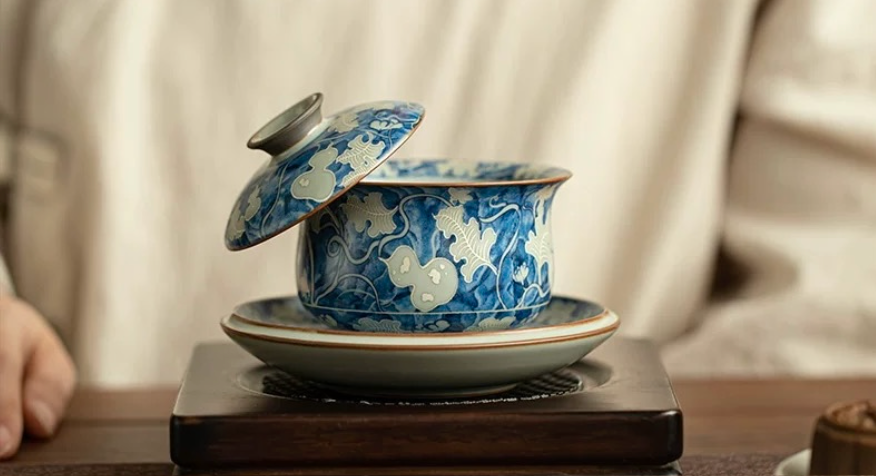
Porcelain and glazed ceramic are highly non-porous, meaning they do not absorb the oils of the tea. This makes them the ideal artisan tea sets for individuals who enjoy a wide variety of teas without flavor carryover. Scientific analysis has shown that porcelain vessels yield a higher content of polyphenols and soluble carbohydrates in the liquid, resulting in a brew that is perceived as "thicker" and sweeter.
Purple Sand (Yixing): The Micro-Porous Advantage
Traditional Chinese "purple sand" (Yixing) pottery is renowned for its "double stomatal structure," which allows for bidirectional air exchange. This unique porosity helps the vessel maintain a stable temperature while adsorbing certain bitter compounds, resulting in a more mellow and fragrant infusion over time. Because it seasons with use, it is considered the pinnacle of teaware for oolong and dark teas.
Borosilicate Glass: The Visual Conduct of Science
For delicate green and white teas, borosilicate glass is an exceptional choice. Its non-reactive surface ensures a pure taste, and its transparency allows the brewer to visually monitor the leaf expansion and color intensity—a critical skill for preventing over-extraction and the resulting bitterness. Glass is also the healthiest material for tea kettles, as it does not leach heavy metals like nickel or lead, which can be present in low-quality metallic or glazed ceramic alternatives.
Cast Iron: Retaining the Heat for Robust Extraction
Cast iron teapots, inspired by the Japanese tetsubin, are the champions of heat retention. They are perfect for black teas and herbal infusions that require a sustained high temperature to fully release their tannins and essential oils. However, quality is paramount; modern cast iron should be enameled on the interior to prevent rust and ensure that the delicate balance of minerals in the water is not disturbed.
| Material | Thermal Conductivity | Ideal Tea Pairing | Key Scientific Benefit |
| Porcelain | Moderate | All types, Black | High extraction of soluble sugars |
| Purple Sand | Low (Breathable) | Oolong, Pu-erh | Adsorption of bitter molecules |
| Borosilicate Glass | Moderate-High | Green, White | Inert surface; visual extraction monitoring |
| Cast Iron | High Heat Mass | Black, Herbal | Sustained temperature for robust tannins |
The Art of Brewing: Precision as a Health Strategy
To maximize the benefits of loose leaf tea, one must approach brewing as an act of precision. Temperature acts as the "conductor" of the chemical orchestra, determining which molecules—the savory amino acids or the bitter tannins—will dominate the cup.
Temperature Guidelines for Optimal Chemistry
-
Green and White Teas (160–180 F / 70–80C): The delicate structure of these leaves means that boiling water will scorch them, destroying the sweet L-theanine and releasing an excess of astringent tannins.
-
Oolong Teas (185–203F / 85–95C): This range allows the partial oxidation of the leaf to bloom, releasing floral notes without sacrificing the roasted undertones.
-
Black and Pu-erh Teas (208–212F / 98–100C): The robust polymers in these teas require high thermal energy to be extracted, ensuring the deep, malty richness that defines the variety.
The Role of Water Purity
The chemistry of the water is as important as the tea itself. "Hard" water, containing high levels of calcium and magnesium, can bind to the tea's polyphenols, creating a "tea scum" and significantly reducing the antioxidant capacity of the brew. Using filtered or "soft" water ensures that the bioavailable compounds are fully released into the liquid, maximizing the tea for wellness benefits.
Oriental Artisan: Craftsmanship in the Service of Health
At Oriental Artisan, the brand identity is built on the belief that the tools of our daily rituals should be as refined as the goals they serve. The pursuit of health through tea is an elegant endeavor, and it deserves a vessel that honors the centuries of tradition and modern science behind every leaf.
Authenticity and Safety
In a marketplace flooded with mass-produced commodities, Oriental Artisan focuses on the "heritage dimension of authenticity." Our teaware, from Jingdezhen porcelain to Edo Kiriko glass, is sourced from master craftsmen who utilize lead-free and cadmium-free glazes. This commitment to material purity is not just about luxury; it is a critical safety requirement for anyone using tea as a health-supportive tool.
A Personalized Legacy
We believe that a truly luxurious gift is one that transforms an object into a treasured legacy. Whether you are selecting a matching sake set for a milestone or a premium brewing set for your own morning ritual, our collection is curated to foster moments of calm and connection in the home. In the words of our philosophy: "A masterpiece of health deserves a masterpiece of craftsmanship."
Conclusion: Steeping Your Way to Longevity
The comprehensive study of the benefits of drinking tea reveals a beverage that is as scientifically robust as it is culturally significant. By integrating antioxidants in tea into your daily routine, you are not just consuming a drink; you are engaging in a multi-targeted health strategy that supports the heart, protects the brain, and balances the mind.
However, the efficacy of this strategy is intrinsically linked to the quality of the leaf and the integrity of the vessel. We invite you to elevate your wellness journey by exploring our curated drinkware collection, where the wisdom of the Orient meets the standards of modern luxury. In the pursuit of a life well-lived, let the tea ritual be your anchor, and let Oriental Artisan provide the tools for your perfect brew.

Leave a comment
This site is protected by hCaptcha and the hCaptcha Privacy Policy and Terms of Service apply.