


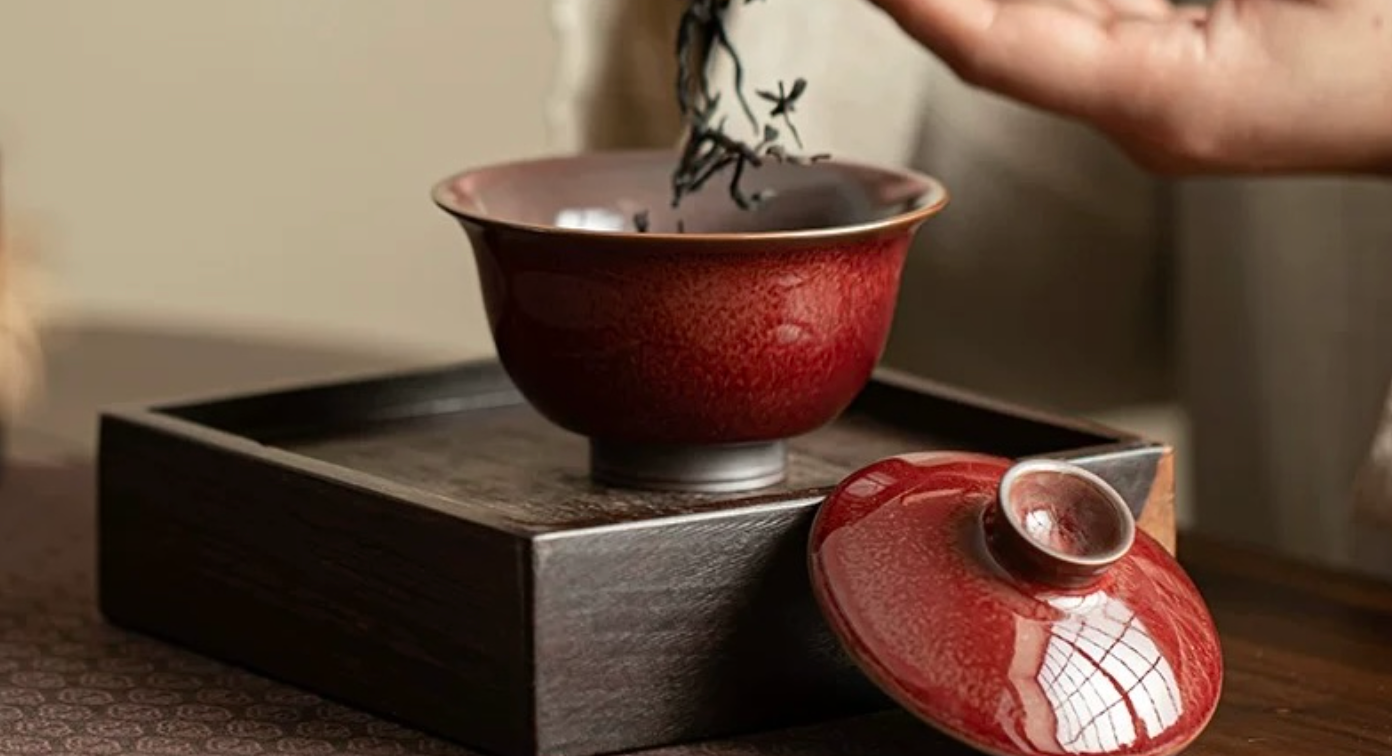
The Coffee-to-Tea Transition: Why Tea is the Ultimate Lifestyle Upgrade
The global shift from coffee to tea represents a fundamental recalibration of human productivity, physiological health, and the ritualization of daily life. In an era characterized by chronic stress, overstimulation, and a growing awareness of the long-term impact of dietary choices, the transition to tea is not merely a change in beverage preference but a sophisticated lifestyle upgrade. This evolution is supported by a robust foundation of neurochemical research, material science, and a burgeoning global market that prioritizes artisanal excellence and environmental sustainability over the transient convenience of mass-produced coffee. For the modern professional, the transition offers a pathway to sustained cognitive clarity, systemic longevity, and a connection to a legacy of craftsmanship represented by institutions such as Oriental Artisan.
The Neurochemical Frontier: Decoding the Synergy of L-Theanine and Caffeine
The primary driver behind the coffee-to-tea transition is the qualitative difference in the cognitive state produced by these two beverages. While coffee is often relied upon for its immediate, blunt-force impact on alertness, tea provides a more nuanced and sustainable energy profile. This is largely attributed to the presence of L-theanine, an amino acid found almost exclusively in the tea plant, which fundamentally alters the physiological metabolism of caffeine.
Coffee's high caffeine content, often ranging from 96 mg to 200 mg per serving, works by saturating adenosine receptors in the brain, leading to a sharp spike in adrenaline and dopamine. However, this rapid onset is frequently followed by a metabolic "crash" as the caffeine is processed, leaving the individual feeling jittery, anxious, and eventually fatigued. In contrast, tea contains lower absolute levels of caffeine—typically 20 mg to 70 mg—but includes a high concentration of L-theanine, a powerful antioxidant that modulates brain function.
Scientific studies involving electroencephalograph (EEG) monitoring have revealed that L-theanine significantly increases activity in the alpha frequency band of the brain. This state is characterized by "relaxed alertness," allowing for intense focus and sharp attention without the concomitant rise in blood pressure or heart rate associated with coffee. Research suggests that individuals who consume the combination of L-theanine and caffeine perform significantly better on complex attention tests than those who consume caffeine alone. This neurochemical synergy provides what is termed a "more durable energy boost," which is essential for high-level professional performance where sustained clarity is prioritized over short-lived bursts of nervous energy.
Comparative Stimulant Profiles and Cognitive Impacts
The following table details the standard caffeine concentrations and their subsequent physiological impacts, illustrating the balanced approach of tea.
| Beverage Category | Caffeine Content (per 8 oz) | Primary Bioactive Compounds | Typical Cognitive State |
| Standard Brewed Coffee | 95 - 200 mg | Caffeine, Chlorogenic Acids | Rapid arousal, potential jitters, energy crash |
| Black Tea | 40 - 70 mg | Caffeine, L-Theanine, Theaflavins | Focused alertness, sustained energy |
| Green Tea (Sencha) | 20 - 45 mg | Caffeine, L-Theanine, EGCG | Calming clarity, reduced anxiety |
| Matcha Green Tea | 35 - 70 mg | High L-Theanine, Caffeine | Peak flow state, prolonged attention |
| Herbal Tea (Chamomile) | 0 mg | Apigenin, Volatile Oils | Relaxation, sedation, stress relief |
The cognitive state induced by tea, often described as "mindful alertness," is supported by a more stable energy curve. Because L-theanine aids in the slow release and metabolism of caffeine, the "peak and valley" cycle of coffee is replaced by a plateau of productivity. This makes tea the superior choice for deep work, creative problem-solving, and long-term cognitive endurance.
Systemic Resilience: The Physiological Imperative of the Tea Transition
Beyond the immediate neurological benefits, the transition to tea serves as a preventative strategy against chronic disease and systemic decline. The health-promoting properties of tea are rooted in its rich profile of polyphenols, catechins, and flavonoids, which combat oxidative stress and inflammation—the precursors to most modern ailments.
Antioxidant Density and Chronic Disease Prevention
Tea, particularly green and white varieties, is packed with catechins like epigallocatechin gallate (EGCG), which has been the subject of intensive research for its potential to prevent DNA damage caused by free radicals. While coffee also contains antioxidants, the specific balance of compounds in tea is more effective at supporting the nervous system and reducing the risk of chronic conditions such as heart disease and certain types of cancer.
Laboratory studies have demonstrated that tea polyphenols can inhibit the growth of cancer cells, and while human studies yield mixed results, the consistent consumption of high-quality tea is associated with a lower risk of tumor development. Furthermore, tea’s high antioxidant content shields the immune system from free radical damage, while its anti-inflammatory properties support the production of immune cells. This systemic support is enhanced by the presence of essential vitamins and minerals, including vitamin C, vitamin E, and zinc.
Cardiovascular and Metabolic Optimization
Regular tea consumption is increasingly recognized as a cornerstone of cardiovascular health. The flavonoids in tea improve blood vessel function, reduce harmful cholesterol levels, and lower overall blood pressure. Harvard T.H. Chan School of Public Health data suggests that regular tea drinkers have a measurably lower risk of heart disease compared to those who do not consume tea regularly.
From a metabolic perspective, tea aids in weight management through the thermogenic properties of catechins and caffeine. These compounds boost metabolism, helping to break down fat and burn calories more effectively than the temporary metabolic spike provided by coffee. This effect is sustainable and supports long-term weight maintenance when paired with a balanced lifestyle.
Digestive Health and Hydration
A common complaint among coffee drinkers is digestive irritation, often manifesting as acid reflux or an upset stomach due to coffee's high acidity. Tea offers a gentler alternative. Herbal blends, such as peppermint or dedicated digestive teas, soothe the stomach and relieve bloating. Furthermore, green tea promotes the growth of beneficial gut bacteria, which is essential for both digestion and mood regulation through the gut-brain axis.
Hydration is another area where tea excels. While coffee acts as a mild diuretic that can lead to fluid loss if consumed in excess, tea is primarily composed of water and contributes effectively to daily fluid intake. The lower caffeine content in tea ensures that the body retains more fluid, which is vital for skin health, organ function, and cognitive performance.
The Alchemical Vessel: Material Science and the Sensory Ritual
A lifestyle upgrade is defined not only by the substance consumed but by the quality of the delivery mechanism. In the world of tea, the vessel is as critical as the leaves. Oriental Artisan specializes in teaware that leverages centuries-old material science to optimize the tea’s flavor, aroma, and temperature.
Jingdezhen Porcelain: The Pursuit of Neutrality and Purity
For over two millennia, Jingdezhen has been the epicenter of global ceramic innovation. The porcelain produced here is renowned for being "as thin as paper, as white as jade, as bright as a mirror, and as sound as a bell". For the tea connoisseur, Jingdezhen porcelain represents the ultimate vessel because of its high-fire vitrification.
Fired at temperatures between 1300°C and 1400°C, authentic Jingdezhen porcelain becomes a dense, non-porous material with water absorption rates of less than 0.5%. This high-temperature process ensures that the vessel is chemically inert, acting as a "blank slate" that does not absorb or impart odors. This is critical for tasting the delicate nuances of high-grade teas, such as white tea or light oolongs, which can be easily contaminated by the residual oils found in more porous earthenware or plastic containers.
| Ceramic Property | Low-Fire Earthenware | High-Fire Jingdezhen Porcelain |
| Firing Range | 800°C - 1140°C | 1300°C - 1400°C |
| Porosity | 10% - 20% | < 0.5% |
| Flavor Interaction | May absorb/impart flavors | Neutral (Ideal for tasting) |
| Light Transmission | Opaque | Translucent |
| Thermal Profile | Retains heat slowly | Superior heat retention & exterior cooling |
The thickness of the porcelain wall also dictates the thermal profile of the infusion. Thin-walled porcelain (1.5 mm to 2.5 mm) is preferred for green and white teas, as it dissipates heat quickly to prevent the leaves from "cooking" and becoming bitter. Conversely, thicker porcelain is utilized for black teas and pu-erhs, which require sustained high temperatures for full flavor extraction.
The Psychology of Ritual: Stress Management Through Tea
The transition from coffee to tea is often a transition from a "transactional" relationship with caffeine to a "ritualistic" one. In Japanese culture, the act of drinking is viewed as a mindful practice rather than mere consumption.
Cortisol Regulation and the Wabi-Sabi Ethos
Clinical research has shown that the ritual of tea consumption directly impacts the body’s endocrine response to stress. A six-week study of regular tea drinkers revealed a significant decrease in post-stress cortisol levels and an increase in subjective relaxation. This physiological shift is reinforced by the aesthetic philosophy of wabi-sabi—the appreciation of imperfection and transience—which is central to Oriental Artisan’s mission.
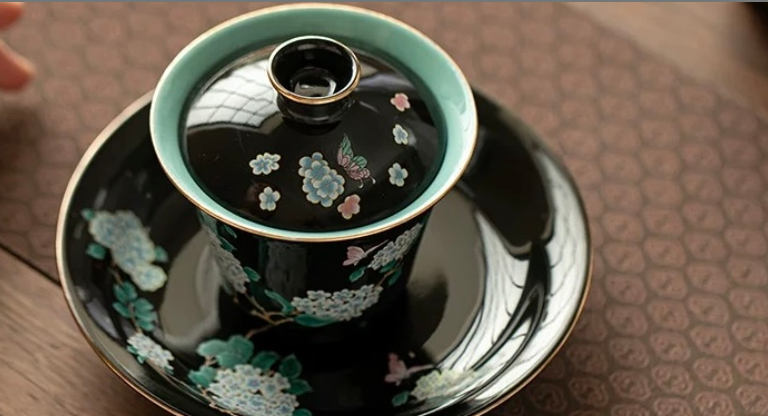
The intentionality required to brew a cup of tea—measuring the leaves, monitoring the water temperature, and observing the infusion—acts as a form of active meditation. This process slows the heart rate and shifts the nervous system from a sympathetic "fight or flight" state to a parasympathetic "rest and digest" state. By using a beautifully crafted vessel, such as a Sancai gaiwan, the user anchors their attention in the present moment, which is a powerful tool for mitigating the anxieties of modern life.
Market Dynamics: The 2025-2030 Outlook for Sustainable Drinkware
The coffee-to-tea transition is occurring against the backdrop of a massive shift in the global drinkware market. Consumers are increasingly rejecting single-use plastics and seeking out products that align with their health goals and environmental values.
Growth and Trends in the Premium Segment
The global drinkware market was valued at $35.1 billion in 2024 and is projected to reach over $61 billion by 2033, growing at a steady CAGR. This growth is driven by several key factors:
-
Sustainability Focus: The shift away from single-use plastics has led to a surge in demand for reusable glass, ceramic, and stainless steel products.
-
Health and Wellness: 41% of customers now prioritize functionality and health-supporting features in their drinkware.
-
Artisanal Personalization: There is a growing preference for high-end, handcrafted items that tell a story, moving away from "standard corporate swag" toward authentic artisanal pieces.
| Market Indicator | 2024 Value | 2030-2032 Projection | CAGR (%) |
| Global Drinkware Market | $35.1 Billion | $47.3 Billion (approx.) | 5.7% |
| Insulated Drinkware | $4.2 Billion | $7.8 Billion | 7.1% |
| Reusable Water Bottles | $9.31 Billion | $13.28 Billion | 4.4% |
| U.S. Mug Market | $750 Million | $1.15 Billion | 6.32% |
The regional data highlights North America and Europe as leaders in the adoption of sustainable drinkware, driven by environmental awareness, while the Asia-Pacific region is the fastest-growing market due to rising disposable incomes and a deep-seated cultural affinity for tea.
The Microplastic Crisis and the Ceramic Solution
One of the most compelling reasons for the lifestyle upgrade to high-quality ceramic and glass is the health risk posed by microplastics. Research has shown that microplastics can carry endocrine-disrupting chemicals (EDCs) that interfere with human hormones. Ceramic drinkware, being made from natural raw materials like clay and kaolin, contains no petroleum-based components and poses zero microplastic risk.
From an environmental perspective, ceramic products are superior because they are highly recyclable and have a lifecycle carbon emission profile that is roughly 80% lower than that of single-use paper cups. By choosing handcrafted items from Oriental Artisan, consumers are not only investing in their personal well-being but are also supporting a circular economy that values durability and legacy over disposability.
Professional Excellence: Tea as a Tool for Corporate Gifting
The coffee-to-tea transition extends into the professional realm, where tea is increasingly used as a symbol of sophistication and long-term partnership. Oriental Artisan excels in providing bespoke corporate gifting solutions that replace forgettable consumables with lasting symbols of quality.
The Art of the Lasting Impression
In business, a gift is a physical representation of a brand’s values. Consumables are quickly forgotten, but a handcrafted Gaiwan or a Yixing teapot becomes a cherished possession that builds an enduring connection. These items are recognized as "relics of the future"—objects that carry the soul of the artisan and the weight of tradition.
Gifting an artisanal piece communicates:
-
Refinement: An appreciation for sophisticated aesthetics and high-level skill.
-
Longevity: A commitment to a relationship that, like the gift itself, is designed to last.
-
Mindfulness: An encouragement for the recipient to slow down and enjoy a moment of tranquility.
Oriental Artisan simplifies this process through personalized sourcing and custom packaging, ensuring that every gift tells a meaningful story of culture and craftsmanship. This approach aligns perfectly with the modern corporate shift toward ESG principles, as high-quality, sustainable gifts reflect a company's commitment to ethical sourcing and environmental responsibility.
The Practical Transition Protocol: From Coffee to Tea
For the health-conscious individual, the transition should be managed strategically to minimize withdrawal symptoms and maximize the cognitive benefits of the tea lifestyle.
Phase 1: The Morning Switch
To avoid the sudden loss of caffeine, individuals are encouraged to start their day with Matcha. Matcha provides a high concentration of caffeine equivalent to a small cup of coffee but is balanced by maximum levels of L-theanine. This ensures an immediate energy boost that lasts for hours without the subsequent crash.
Phase 2: Afternoon Mitigation
Replacing the mid-afternoon "pick-me-up" coffee with a high-quality green tea (such as Sencha) or an Oolong can help maintain alertness while beginning the process of lowering the body's baseline cortisol levels. The catechins in green tea will also provide a metabolic boost that aids in fat oxidation throughout the workday.
Phase 3: Evening Deceleration
In the evening, switching to caffeine-free herbal blends—such as chamomile or lavender—facilitates the body’s transition to sleep. These botanicals soothe the nervous system and help the brain enter a restorative state, ensuring that the individual wakes up refreshed and ready for the next day's mindful performance.
Maintaining the Vessel
The longevity of the lifestyle upgrade depends on the proper care of the teaware. High-fired porcelain should be cleaned with hot water immediately after use to prevent tannin buildup. To maintain the purity of the material, the use of harsh soaps should be avoided, as micro-fissures in the glaze can trap artificial scents that contaminate future infusions.
Conclusion: The Convergence of Health, Heritage, and Performance
The transition from coffee to tea is far more than a dietary change; it is an act of reclaiming one's cognitive and physiological autonomy. By choosing tea, the individual opts for a sustained state of "relaxed alertness," a robust defense against chronic disease, and a daily ritual that fosters psychological resilience. This lifestyle upgrade is completed by the adoption of high-quality teaware from Oriental Artisan, which utilizes the science of Jingdezhen porcelain to honor the beverage and the drinker alike.
In a world that increasingly values sustainability, mindfulness, and artisanal heritage, tea stands as the ultimate beverage for the discerning modern professional. It is a bridge to the past and a foundation for a healthier, more focused future. To transition to tea is to choose a lifestyle of permanence over transience, and depth over distraction. It is, in every sense, the ultimate upgrade.

Leave a comment
This site is protected by hCaptcha and the hCaptcha Privacy Policy and Terms of Service apply.