
Best Japanese Whisky Glasses: How to Choose a Premium Glass
Introduction: The Art of Drinking Whisky Begins with the Glass
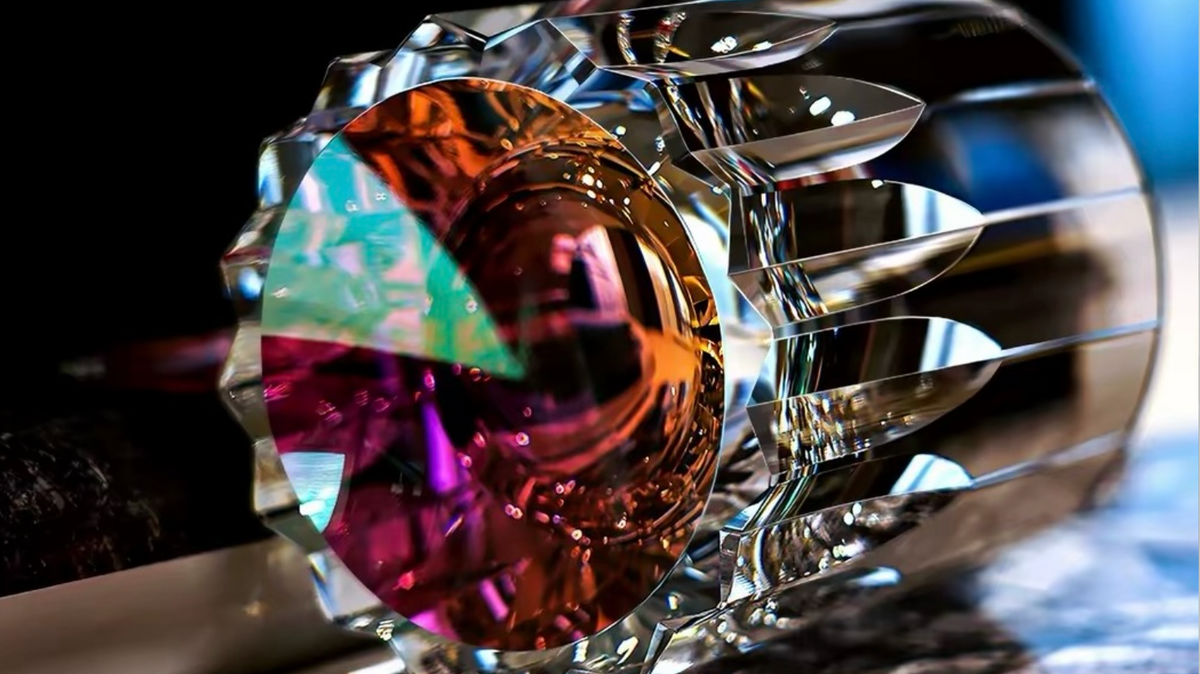
Imagine a measure of Japanese single malt resting in a finely cut crystal tumbler. Afternoon light catches the glass at an angle, travelling through a constellation of geometric facets before scattering delicate reflections across the table. The whisky glows amber against the clear and colored glass. In your hand, the vessel feels substantial yet balanced, its polished rim meeting your lips with quiet precision.
The glass has become part of the occasion.
For generations, Japanese artisans have transformed everyday objects into expressions of craftsmanship, where proportion, texture, material, and thoughtful design matter as much as ornament. Few objects demonstrate this relationship between beauty and utility more vividly than Japanese cut glass.
Yet choosing a premium Japanese whisky glass involves more than selecting the most elaborate pattern. A sculptural Mount Fuji tumbler offers a different experience from a slender nosing glass. A traditional Edo Kiriko piece may appeal to someone who values cultural heritage, while a modern, minimalist tumbler might better suit a contemporary home bar.
So what makes a Japanese whisky glass exceptional, and how do you choose the right one?
The answer begins with understanding how craftsmanship, material, shape, authenticity, and personal drinking preferences come together.
Key Takeaways: Choosing the Best Japanese Whisky Glass
-
Choose according to how you drink. A narrow tasting glass is useful for deliberate aroma evaluation; a rocks tumbler suits whisky neat or over ice; a tall highball glass accommodates whisky, soda, and ice.
-
Understand Edo Kiriko craftsmanship. Authentic Edo Kiriko is a Japanese cut-glass tradition with specific production and handworking criteria, not simply a decorative pattern.
-
Compare materials carefully. Lead crystal, lead-free crystal, K9 optical glass, and soda-lime glass have different properties. More expensive does not automatically mean better.
-
Consider provenance as well as appearance. Ask about the workshop, place of production, cutting method, and material—especially when buying collectible glassware.
-
Think beyond the first pour. Comfort, care, gift presentation, and compatibility with the recipient's lifestyle all contribute to a satisfying purchase.
1. What Makes Japanese Whisky Glasses Special?
The appeal of Japanese whisky glasses lies in the relationship between technical skill and purposeful design.
Some are intricately ornamented, with hand-cut patterns creating remarkable movement under light. Others are nearly austere: a clear silhouette, a delicately finished rim, and proportions that feel considered from every angle.
Several qualities are particularly worth looking for.
Craftsmanship and precision. Traditional Japanese cut-glass artisans use rotating tools to create carefully controlled geometric patterns. The craft demands judgment in cutting depth, alignment, pressure, and finishing.
Balance and proportion. A well-designed tumbler feels comfortable when lifted, offers a suitable drinking rim, and provides enough room for its intended serving style. Weight alone is not a reliable measure of quality.
Material and light. Glass composition, color, thickness, and surface finish influence clarity and how the vessel reflects or refracts light.
Cultural character. Traditional motifs, Mount Fuji imagery, and contemporary Japanese design can give a glass aesthetic meaning beyond its practical purpose.
Importantly, Japanese whisky glass is a broad commercial description. It may refer to glassware made in Japan, glassware inspired by Japanese traditions, or glassware marketed for Japanese whisky.
These categories should not be confused. Not every Japanese-style tumbler is handmade, and not every attractive cut-glass design qualifies as authentic Edo Kiriko.
For a first purchase, begin with function and personal preference. For a significant collector's purchase, add documented provenance to your criteria.
2. The History of Japanese Whisky Glassware
The Origins of Edo Kiriko
The story of Japanese decorative glass stretches back well before the emergence of Japanese whisky.
According to the Edo Kiriko Cooperative Association, the traditional craft is generally traced to 1834, when glass merchant Kagaya Kyubei is said to have developed a method of decorating glass using an abrasive material in Edo, now Tokyo.
During the Meiji period, European glassmaking and cutting techniques contributed to further technical development. In 1881, instruction associated with the Shinagawa glassworks helped introduce approaches that would influence Japanese cut glass.
Over subsequent decades, improvements in tools, polishing, and glass materials allowed artisans to develop increasingly sophisticated designs.
Edo Kiriko was designated a traditional craft by the Tokyo Metropolitan Government in 1985 and received national traditional-craft designation in 2002.
Today, the tradition continues through workshops that combine inherited techniques with contemporary forms and patterns.
How Japanese Whisky Entered the Story
Japanese whisky followed a separate historical path.
In 1923, Shinjiro Torii began building the Yamazaki Distillery near Kyoto, helping establish modern Japanese malt whisky production. Japanese whisky subsequently developed its own identity through distilling, blending, and drinking practices.
The meeting of Japanese whisky and traditional glassware is therefore better understood as the convergence of two crafts than as a single uninterrupted tradition.
As Japanese whisky gained international attention, traditional cut-glass tumblers became especially appealing vessels for enthusiasts who wanted both an excellent drink and an object of visual distinction.
The Japanese highball, meanwhile, helped establish the tall, practical glass as another important part of modern whisky culture.
Historical references: Edo Kiriko Cooperative Association, Tokyo Metropolitan Government, and Suntory's whisky heritage.
3. Understanding the Different Types of Japanese Whisky Glasses
There is no single best glass for every whisky drinker. The most suitable choice depends on serving style, aesthetic preference, and the experience you want to create.
Edo Kiriko Whisky Glasses
Traditional Edo Kiriko glasses are known for precise, often geometric cutting that creates an intricate interplay of light and texture.
Many examples use colored layers over transparent glass, allowing cutting to reveal a contrasting pattern beneath the surface.
They are especially attractive to enthusiasts who appreciate Japanese craftsmanship and consider their glassware part of a wider collection.
Their principal limitations are cost, potentially delicate surfaces, and the importance of confirming authenticity.
Mount Fuji Whisky Glasses
Mount Fuji whisky glasses incorporate the mountain's familiar silhouette, often as a sculptural feature within the base.
When filled with whisky, the glass can create beautiful optical effects around the mountain form.
These glasses make memorable gifts and conversation pieces. Their sculptural bases, however, do not necessarily provide the aroma-focused function of a dedicated tasting glass.
Japanese Rocks Glasses
A rocks glass, also known as an old-fashioned tumbler, is a versatile choice for whisky served neat, with ice, or in short cocktails.
Its relatively broad opening and generous bowl make it comfortable for relaxed drinking.
A larger double old-fashioned glass can offer additional room for a sizeable ice cube or sphere.
Japanese Highball Glasses
Tall and relatively narrow, a highball glass is designed to hold whisky, soda water, and ice.
This format is particularly relevant to Japanese drinking culture, where highballs are popular as refreshing, food-friendly drinks.
Its practical advantage is capacity rather than concentrated aroma delivery.
Japanese Whisky Tasting Glasses
A dedicated whisky tasting glass generally has a smaller opening and a shape intended to direct aroma toward the nose.
Such glasses are valuable when comparing different whiskies, considering subtle aromatic differences, or conducting a structured tasting.
They are less suitable for large ice spheres or generous mixed drinks.
Modern Japanese Crystal Tumblers
Contemporary whisky tumblers may feature clean architectural silhouettes, thin rims, sculptural bases, or restrained decorative details.
Some are made in Japan; others are Japanese-inspired.
They appeal particularly to homeowners seeking refined glassware that works equally well on the dining table and in a modern drinks cabinet.
Table 1: Japanese Whisky Glass Types Compared
| Glass type | Best use | Main advantage | Ideal buyer |
|---|---|---|---|
| Edo Kiriko tumbler | Neat, rocks | Decorative craftsmanship | Craft enthusiast |
| Mount Fuji glass | Neat, rocks | Sculptural presentation | Gift buyer |
| Rocks glass | Neat, ice, cocktails | Everyday versatility | Regular whisky drinker |
| Highball glass | Whisky and soda | Tall, practical capacity | Highball enthusiast |
| Nosing glass | Tasting neat whisky | Aroma-focused shape | Connoisseur |
| Modern crystal tumbler | Casual enjoyment | Refined contemporary design | Home-bar owner |
4. Edo Kiriko: The Art Behind Japan's Celebrated Cut Glass
Edo Kiriko (江戸切子) is a traditional form of Japanese cut glass associated with the Tokyo region.
Its beauty comes from an unusually close relationship between geometry, controlled cutting, and the optical properties of glass.
How Traditional Edo Kiriko Is Made
The production process varies between workshops, but traditionally involves several important stages.
First, the artisan plans the design and marks its principal divisions on the glass surface.
During rough cutting, rotating abrasive wheels establish the main lines and larger facets.
Finer cutting develops the secondary patterns and intricate details. The artisan must manage depth, angle, and alignment carefully: an inaccurate cut can interrupt the visual continuity of an entire design.
Smoothing and polishing then refine the worked surfaces. These stages are essential because a well-executed pattern requires both precise geometry and a considered finish.
A glass blank may be produced separately from the hand-cut decoration. Therefore, hand-cut does not necessarily mean the entire vessel was hand-blown.
Four Traditional Edo Kiriko Patterns Worth Knowing
Nanako (魚子) — Fish-Egg Pattern
Nanako refers to a pattern of small, closely arranged shapes associated with the appearance of fish eggs. Its repeated cutting produces a fine, shimmering texture, particularly under directional light.
Asanoha (麻の葉) — Hemp-Leaf Pattern
Asanoha is a geometric design based on the form of a hemp leaf. It commonly incorporates repeated angular divisions that form a striking visual network.
Yarai (矢来) — Fence Pattern
Yarai refers to a lattice-like pattern associated with traditional fencing or barriers. Its diagonal intersections create rhythm and visual structure across the glass.
Kiku-tsunagi (菊繋ぎ) — Connected Chrysanthemum Pattern
Kiku-tsunagi uses repeated, closely connected cuts resembling chrysanthemum forms. The density of the pattern can produce a rich, jewel-like surface.
These patterns can carry cultural associations, but their meanings should not be treated as universal symbols attached identically to every workshop or design.
Colored Versus Clear Edo Kiriko
Clear glass emphasizes the clarity and geometry of each cut. It can feel restrained, architectural, and particularly adaptable to different interior styles.
Colored Edo Kiriko often uses a thin colored glass layer over a clear body. Cutting through the colored layer reveals the transparent glass beneath, creating contrast and depth.
Blue and red are familiar traditional color choices, although contemporary workshops offer a broader palette.
Hand-Cut Versus Machine-Cut Glass
A machine can produce highly regular decorative patterns. The distinction is not simply that machine cutting is always inferior.
Traditional hand-cut Edo Kiriko is valued for the craftsperson's controlled execution, learned judgment, finishing, and relationship to an established regional tradition.
The Edo Kiriko Cooperative Association defines the protected craft through criteria that include glass material, handworking, principal use of rotating tools, and production in its designated region.
For buyers, the important question is not just Does the glass look like Edo Kiriko? but Who made it, how was it cut, and where was it produced?
Further reading: Traditional patterns and production history and Edo Kiriko designation and trademark information.
5. Japanese Whisky Glass Materials Explained
The word crystal is widely used in luxury glassware marketing, but it does not identify one universal chemical composition.
Understanding the material helps you evaluate the glass beyond its appearance.
Traditional Lead Crystal
Lead crystal contains lead oxide, which can increase refractive index and density and contribute to its characteristic brilliance.
It is often associated with richly faceted decorative glassware. Its precise properties depend on formulation.
Lead content is also a consideration for food-contact use, making manufacturer guidance especially important.
Lead-Free Crystal
Lead-free crystal substitutes other ingredients to achieve desirable optical and working characteristics.
Depending on its composition, it may offer excellent transparency, pleasing weight, and suitability for decorative cutting.
The label alone does not establish a particular level of scratch resistance or durability.
K9 Glass
K9 is a designation used for an optical crown-glass material, frequently associated with transparent optical components and decorative objects.
Commercial listings sometimes call K9 products “crystal,” but K9 should not automatically be treated as chemically identical to every lead-free crystal formulation.
Ask for the manufacturer's material specification when optical grade is important.
Soda-Lime Glass
Soda-lime glass is widely used for everyday drinkware.
It can be affordable, practical, and well suited to both simple and decorative designs. It is also among the traditional materials used in Edo Kiriko production.
Borosilicate Glass
Borosilicate glass is known for its comparatively low thermal expansion and suitability for applications involving temperature changes.
It is particularly useful in some lightweight or heat-resistant drinkware designs, though it is not inherently the most appropriate material for deeply cut decorative tumblers.
Table 2: Premium Whisky Glass Materials Compared
| Material | General characteristics | Main consideration |
|---|---|---|
| Lead crystal | High brilliance; often substantial | Lead content and care |
| Lead-free crystal | Clear, decorative; composition varies | Verify manufacturer's specification |
| K9 optical glass | Clear crown-glass material | Not equivalent to all crystal |
| Soda-lime glass | Versatile; commonly affordable | Avoid thermal shock |
| Borosilicate glass | Low thermal expansion | Different decorative properties |
No material is universally superior. Cutting quality, thickness, finishing, design, and intended use all matter.
6. How Glass Shape Influences the Whisky Experience
A premium whisky glass should be evaluated as a functional object, not merely as a decorative one.
Glass geometry can influence how volatile aroma compounds accumulate and reach the nose. Research on drinking vessels also indicates that shape and tactile characteristics can affect perceived flavor.
That does not mean an expensive glass automatically improves the whisky itself.
For Drinking Whisky Neat
A small rocks tumbler provides an open, relaxed drinking experience.
A tulip-shaped tasting glass is useful when the objective is to examine aroma more closely. Its narrower opening changes the way aromas are presented, although the ideal shape can vary with the whisky and individual sensitivity to alcohol vapors.
For Whisky on the Rocks
A broad tumbler is generally the practical choice.
Look for sufficient internal diameter, a stable base, and room for the size of ice you prefer.
An attractive sculptural base can enhance presentation, but it should not compromise stability.
For Japanese Highballs
Capacity becomes especially important.
A tall glass accommodates whisky, chilled soda, and ice while providing sufficient room for preparation.
Suntory's highball guidance emphasizes chilled ingredients, careful pouring, and minimal stirring to preserve carbonation.
For Formal Tasting
A dedicated nosing glass encourages smaller pours and more deliberate examination.
When comparing multiple whiskies, using matching glass shapes reduces one source of variation between samples.
For Everyday Enjoyment
Comfort matters. Notice the thickness of the rim, how the vessel sits in your hand, and whether the design accommodates your preferred serving style.
The best glass may be one that makes an ordinary evening feel more considered.
Research references: Review of drinking-vessel shape and flavor perception and Suntory's Japanese highball guide.
7. Best Japanese Whisky Glasses by Drinking Style
Rather than declaring one universal winner, it is more useful to choose according to the role a glass will play.
Best for Japanese Whisky Enthusiasts
A refined cut-glass rocks tumbler provides an appealing balance between Japanese craft aesthetics and everyday usefulness.
For enthusiasts drawn to Mount Fuji imagery, the Handcrafted Edo Kiriko Mount Fuji Whisky Glass Set offers a sculptural mountain base and geometric decoration.
Best for Drinking Whisky Neat
A dedicated tasting glass is the logical choice when aroma evaluation matters most.
Oriental Artisan's Whisky Nosing and Tasting Glass has a slender profile and narrow opening designed for focused tasting.
Best for Whisky on the Rocks
A broad, stable tumbler with sufficient capacity for ice is ideal.
The Edo Handcrafted "Glacier" Whisky Glass is described as a hand-cut, lead-free crystal design inspired by glacial formations.
Best for Traditional Craftsmanship
Choose glassware with documented workshop provenance and a clearly described hand-cutting process.
For those attracted to dense geometric patterns, consider the Edo Kiriko Handcrafted Hexagonal Chrysanthemum Whisky Glass.
Best for Collectors
Collectors may appreciate distinctive compositions, traditional patterns, clear maker identification, and excellent finishing.
The Edo Kiriko Handcrafted "Amber Celestial" Whisky Glass combines amber-colored lead-free crystal with intricate star-like cutting.
Best for Luxury Gifting
Consider presentation, recipient preferences, and whether the design feels personal.
The Edo Kiriko Handcrafted Amber Starburst Whisky Glass with Wooden Presentation Box is offered in blue and red variations with gift-box presentation.
Best for Modern Home Bars
The most suitable choice may be a minimalist glass with a delicate rim and restrained texture rather than an elaborate decorative pattern.
Best for Japanese Highballs
Select a tall vessel with enough space for ice and soda.
The taller version of Oriental Artisan's Ultra-Thin Ribbed Glass Whiskey Tumblers is listed with a 490 ml capacity and a vertically ribbed design.
Best for a First Premium Whisky Glass
Start with a versatile rocks glass.
It accommodates several drinking styles and is less specialized than a dedicated tasting vessel.
Best for a Statement Collection
Choose an expressive design that combines decorative impact with practical use.
The Edo Kiriko Handcrafted "Fuji Wave" Whisky Glass Collection brings wave-inspired cutting together with a sculptural Mount Fuji base.
8. How to Choose a Premium Japanese Whisky Glass
A considered purchase begins with a few practical questions.
1. Is its origin clearly stated? A Japanese-inspired design is not necessarily made in Japan. For authentic regional craftsmanship, request workshop or manufacturer information.
2. What material is used? Look for a specific material description rather than relying on the word “crystal.”
3. Is the decoration hand-cut? Distinguish cut surfaces from molded decoration, surface printing, or other manufacturing methods.
4. Is the size suitable? A tasting glass may be intentionally small. A rocks glass should accommodate your preferred ice, while a highball requires greater capacity.
5. How does it feel? Consider grip, weight distribution, base stability, and rim thickness.
6. Does the design suit the recipient? Some prefer clear, restrained glassware; others enjoy colorful, elaborate patterns.
7. How will it be maintained? Intricate cut glass generally deserves more careful cleaning than everyday barware.
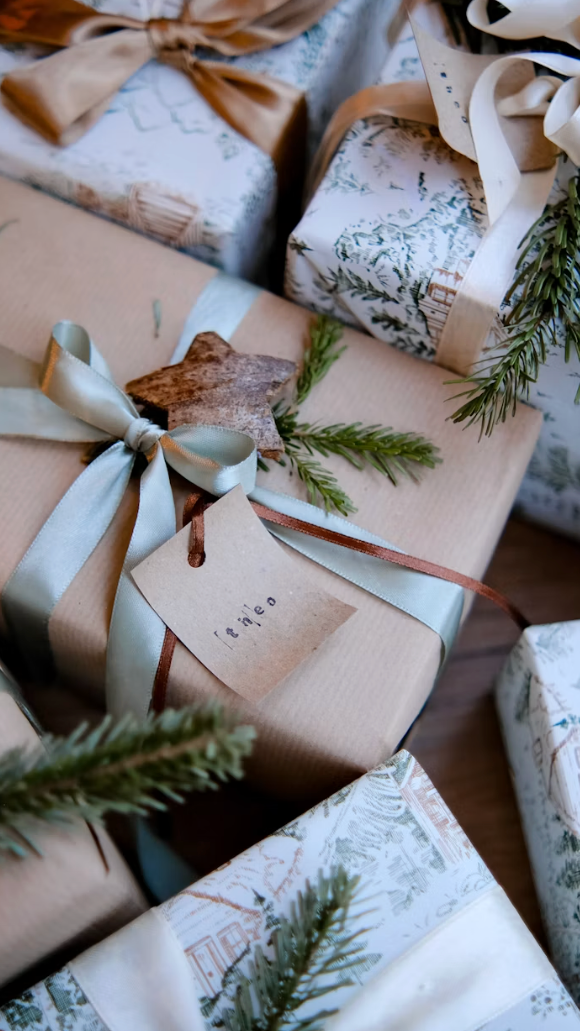
8. Does the presentation match the occasion? Wooden boxes, paired sets, and personalized details can make glassware more suitable for gifting.
9. What are you paying for? Materials, skilled labor, design complexity, provenance, and presentation may all affect price.
10. Will you enjoy using it? A glass should complement your habits rather than become an object you are reluctant to touch.
At a modest budget, prioritize form and dependable quality. At a higher budget, consider more intricate craftsmanship and verified provenance. For a collector-level purchase, documentation can be as important as decoration.
9. Why Are Edo Kiriko Whisky Glasses So Expensive?
Authentic hand-cut Edo Kiriko can be expensive because skilled craftsmanship requires time, precision, and extensive finishing.
Its cost may reflect:
-
The training and labor required for detailed cutting.
-
Complex patterns involving numerous intersecting lines.
-
Material selection and preparation.
-
Multiple grinding, smoothing, and polishing stages.
-
Quality inspection and the possibility of rejected pieces.
-
Small-scale production and workshop overhead.
-
The reputation and identifiable work of an established maker.
Not every design demands the same amount of labor, and prices vary significantly.
A higher price is not proof of authenticity or superior drinking performance. Likewise, a decorative piece should not automatically be described as an appreciating investment.
For the thoughtful buyer, enduring value is more realistically found in craftsmanship, appropriate provenance, beauty, and long-term enjoyment.
10. How to Identify Authentic Japanese Edo Kiriko Glassware
The Edo Kiriko Cooperative Association defines the craft through specific material, process, and regional production requirements.
This makes authenticity a question of evidence, not appearance alone.
When considering a significant purchase, examine the following:
Workshop identity. Can the seller identify the manufacturer or artisan responsible?
Production location. Is there documentation supporting the stated Japanese origin and relevant production region?
Craft method. Does the description explain how the glass was cut and finished?
Pattern quality. Look for controlled line intersections, well-defined facets, and appropriate finishing.
Documentation. Is there maker identification, packaging information, or provenance that can be checked?
Transparent product information. Are materials, dimensions, and manufacturing claims described consistently?
Visual inspection can reveal craftsmanship, but it cannot conclusively authenticate a glass.
A sophisticated imitation can resemble traditional cut glass, while authentic pieces may incorporate contemporary designs.
Buyers seeking certified or association-recognized work should request the relevant evidence rather than relying only on the term “Edo Kiriko” in a product title.
11. Japanese Whisky Glasses as Luxury Gifts
A thoughtfully chosen whisky glass can be a meaningful gift because it is both beautiful and useful.
Unlike objects intended only for display, a fine tumbler can become part of a recipient's familiar rituals.
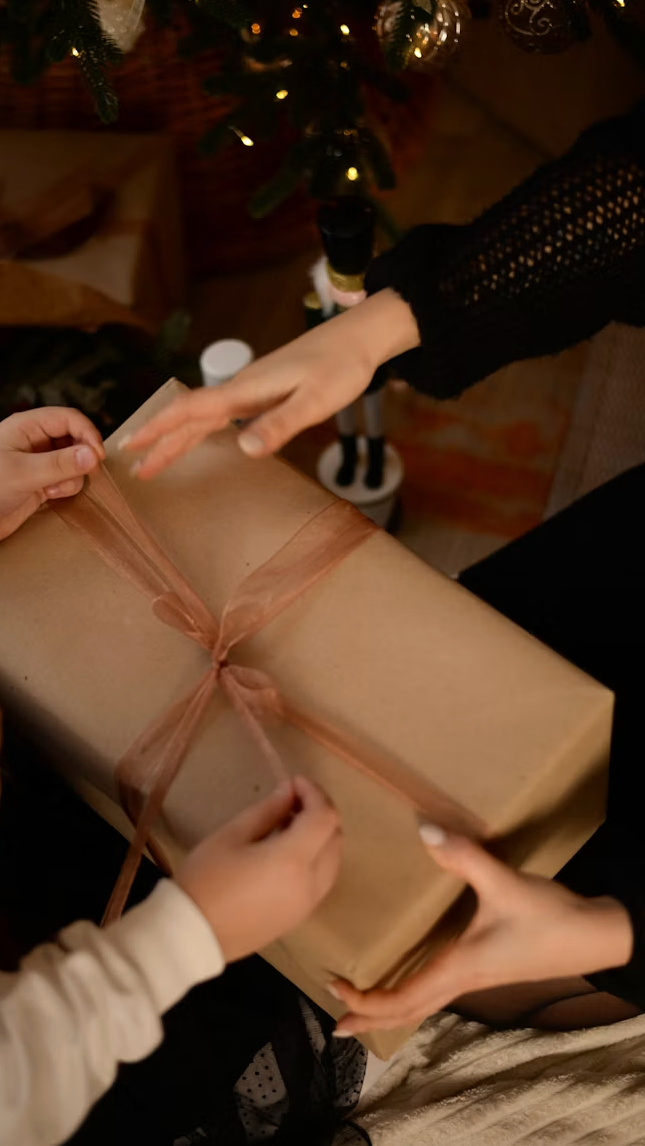
For Father's Day, a refined rocks glass makes a practical present for someone who enjoys an occasional evening whisky.
For weddings and anniversaries, a matched pair introduces a sense of shared celebration.
For Christmas and birthdays, Mount Fuji-inspired designs and colorful cut glass offer distinctive visual character.
For retirement, a traditional craft piece may be especially appropriate when accompanied by information about its making.
For corporate gifting, consider consistent presentation, the recipient's cultural preferences, and whether personalization is available.
For housewarmings, modern tumblers can contribute to a beautifully arranged home bar.
The most successful gift reflects the person receiving it. Someone who studies whisky aromas may appreciate a tasting-glass set more than an elaborate decorative tumbler; a design enthusiast may prefer the reverse.
12. How to Care for Japanese Whisky Glasses
Fine glassware can remain beautiful for years with appropriate handling.
Wash gently. For delicate cut-glass tumblers, handwashing with lukewarm water and mild detergent is a sensible default.
Avoid sudden temperature changes. Do not move ordinary decorative glass directly between extreme temperatures.
Clean detailed patterns carefully. A soft cloth can remove residue without scratching the surface. Avoid abrasive pads or brushes.
Dry thoroughly. Use a clean, lint-free cloth and support the glass securely while polishing.
Store separately. Prevent highly decorated pieces from rubbing against other glasses.
Follow the maker's instructions. Dishwasher compatibility and appropriate handling vary by material and construction.
Never assume that every crystal or cut-glass item has identical care requirements.
13. Explore the Art of Japanese Whisky Glassware at Oriental Artisan
At Oriental Artisan, glassware is approached as more than a practical accessory.
The collection brings together decorative cut-glass designs, sculptural Mount Fuji tumblers, refined modern vessels, and drinking glasses selected for different whisky rituals.
For the customer, the pleasure lies in finding something that resonates: perhaps the rhythm of a geometric pattern, the restraint of a clear tumbler, or the unexpected detail of a mountain emerging through amber whisky.
A Curated Selection for Different Tastes
The Sculptural Gift
Handcrafted Edo Kiriko Mount Fuji Whisky Glass Set
Featuring a Mount Fuji-inspired sculptural base, geometric cutting, and single- or paired-glass options. Particularly suited to gifting and whisky served neat or over ice.
The Contemporary Rocks Glass
Edo Handcrafted "Glacier" Whisky Glass
A lead-free crystal design with ice-inspired faceting. Its modern appearance makes it appealing for contemporary home bars.
The Collector's Accent
Edo Kiriko Handcrafted "Amber Celestial" Whisky Glass
Amber-colored crystal and celestial-inspired cutting create a decorative focal point for the drinks cabinet.
The Traditional Geometric Statement
Edo Kiriko Handcrafted Hexagonal Chrysanthemum Whisky Glass
Its interconnected floral and geometric design offers particular appeal to admirers of decorative Japanese cut glass.
The Gift-Ready Starburst
Edo Kiriko Handcrafted Amber Starburst Whisky Glass with Wooden Presentation Box
A richly patterned lead-free crystal tumbler available in blue and red variations, presented in a wooden box.
The Mount Fuji and Wave Design
Edo Kiriko Handcrafted "Fuji Wave" Whisky Glass Collection
A lead-free crystal tumbler combining wave-inspired cutting with Mount Fuji imagery. An expressive choice for someone drawn to Japanese landscapes.
The Dedicated Tasting Vessel
Whisky Nosing and Tasting Glass
A slender glass with a narrow opening, suitable for small pours and comparative whisky tastings. Offered in single- and multiple-glass configurations.
The Minimalist Highball Option
Ultra-Thin Ribbed Glass Whiskey Tumblers | Handcrafted Lead-Free Tasting Set
Contemporary lead-free glassware with fine vertical ribbing, available in short and tall versions. The tall format is particularly suitable for whisky highballs.
For the full selection, discover Oriental Artisan's Whisky Glass Collection and Edo Kiriko Collection.
Table 3: Which Japanese Whisky Glass Should You Choose?
| Your preference | Recommended style | Oriental Artisan option |
|---|---|---|
| Detailed whisky tasting | Nosing glass | Whisky Nosing and Tasting Glass |
| Whisky over ice | Rocks tumbler | Glacier |
| Traditional patterns | Decorated cut glass | Hexagonal Chrysanthemum |
| Collector's display | Ornamental tumbler | Amber Celestial |
| Luxury gifting | Presentation-box tumbler | Amber Starburst |
| Japanese-inspired imagery | Sculptural tumbler | Mount Fuji Glass Set |
| Japanese highballs | Tall glass | Ultra-Thin Ribbed |
| Decorative home bar | Statement tumbler | Fuji Wave |
Product characteristics above are based on Oriental Artisan's published product descriptions. Buyers seeking verified origin or traditional-craft certification should request maker documentation.
Frequently Asked Questions About Japanese Whisky Glasses
1. What is the best Japanese whisky glass?
The best Japanese whisky glass depends on how you enjoy your whisky. For deliberate tasting, a narrow nosing glass is a practical choice. For whisky over ice, choose a broad, stable rocks tumbler. Traditional Edo Kiriko appeals to buyers who value decorative craftsmanship, while Mount Fuji glasses offer sculptural character. There is no single design that outperforms every other glass for every purpose.
2. What makes Japanese whisky glasses different?
Japanese whisky glasses are often appreciated for their attention to design, proportion, and craftsmanship. Traditional Edo Kiriko is especially distinctive because of its geometric hand-cut patterns. Contemporary Japanese-inspired glasses may emphasize restraint, sculptural features, or fine rims. However, the term “Japanese whisky glass” is not a guarantee that a particular vessel was manufactured in Japan.
3. What is Edo Kiriko glass?
Edo Kiriko is a traditional Japanese cut-glass craft historically associated with Edo, now Tokyo. It involves decorating glass through carefully executed cutting, often producing intricate geometric patterns. The craft is generally traced to 1834 and later developed through advances in techniques and materials. Authentic Edo Kiriko is subject to specific regional and production criteria; its name should not be used as a generic description for all cut glass.
4. Are Edo Kiriko glasses handmade?
Traditional Edo Kiriko involves handworking, particularly in the cutting process. Artisans use rotating tools to develop and finish the patterns. However, this does not necessarily mean the original glass blank was hand-blown. When evaluating a product, distinguish between hand-cut decoration and the process used to form the vessel. For important purchases, request information about the workshop and manufacturing method.
5. Why are Japanese whisky glasses expensive?
Some premium Japanese whisky glasses cost more because of skilled labor, intricate cutting, multiple finishing stages, material choices, and small-scale production. Packaging and workshop reputation can also affect the price. Yet not all Japanese-style glasses are expensive, and a higher price does not establish better functionality or authentic origin. Compare the actual design, material, provenance, and craftsmanship rather than treating cost as the principal quality indicator.
6. Are Edo Kiriko glasses worth buying?
For someone who values traditional craftsmanship, precise cutting, and visually expressive glassware, authentic Edo Kiriko can be a rewarding purchase. Its appeal extends beyond serving whisky to the experience of owning and using a craft object. Whether it is worth the price depends on your appreciation of the workmanship, the evidence supporting its provenance, and how frequently you expect to enjoy it.
7. What is the best glass for Japanese whisky on the rocks?
A broad rocks tumbler is generally the most suitable choice. It provides space for whisky and ice while remaining comfortable to hold. If you use large clear ice spheres, check the internal opening and capacity before buying. A stable, substantial base can be helpful, but excessive weight is not necessary. Japanese cut-glass tumblers can combine this practical shape with decorative artistry.
8. Which whisky glass is best for tasting?
A dedicated nosing glass with a relatively narrow opening is useful for focused whisky tasting. Its geometry changes the way aromas accumulate and reach the nose, making it suitable for examining different aromatic characteristics. For comparative tastings, using identical glasses is sensible. The shape should also allow comfortable nosing without excessive alcohol-vapor discomfort. Personal preference remains important.
9. What is the difference between crystal and K9 glass?
Crystal is a broader commercial category covering different glass formulations, including lead-containing and lead-free compositions. K9 refers to a type of optical crown glass. The terms are not automatically interchangeable because material specifications and performance depend on their precise compositions. Buyers should request clear material information rather than assuming that every glass described as K9 has the same characteristics as premium decorative crystal.
10. Are Mount Fuji whisky glasses authentic Japanese glassware?
Some Mount Fuji whisky glasses are made in Japan, while others are produced elsewhere using Japanese-inspired designs. The presence of a mountain shape does not establish origin or authenticity. Likewise, a Mount Fuji-inspired tumbler is not automatically authentic Edo Kiriko. If Japanese production is an important purchasing consideration, look for manufacturer identification and reliable country-of-origin documentation.
11. Can Japanese whisky glasses be used for Scotch or bourbon?
Yes. A Japanese-made or Japanese-inspired whisky glass can generally be used for Scotch, bourbon, rye, and other spirits, provided it is suitable for food and beverage use. The most important consideration is serving style. A rocks glass works well for many neat or iced servings, while a nosing glass can be useful for comparative tasting regardless of the whisky's country of origin.
12. How do I clean a Japanese cut-glass tumbler?
For delicate Japanese cut glass, gentle handwashing with lukewarm water, mild detergent, and a soft cloth is a sensible approach. Avoid abrasive brushes and rapid temperature changes. Rinse thoroughly, then dry with a lint-free cloth to reduce water marks. If the glass is especially valuable or has unusual decoration, follow the manufacturer's care guidance rather than assuming that ordinary dishwasher-safe glassware instructions apply.
13. What makes a Japanese whisky glass a good gift?
A well-chosen Japanese whisky glass combines practical usefulness with visual character. Traditional cutting, distinctive shapes, and attractive presentation can make it feel more personal than standard barware. Choose according to the recipient's habits: a tasting glass for a serious enthusiast, a rocks tumbler for everyday enjoyment, or a decorative Mount Fuji design for someone who appreciates Japanese-inspired objects.
14. How can I identify authentic Edo Kiriko?
Begin with the maker and production history. The Edo Kiriko Cooperative Association identifies handworking, the principal use of rotating tools, glass material, and production within its designated area as defining requirements. Examine the product description, ask for workshop information, and seek relevant documentation. Attractive patterns or convincing cutting alone cannot conclusively establish authenticity.
15. Where can I buy premium Japanese whisky glasses?
Premium Japanese whisky glasses are available through established glassmakers, specialist craft retailers, and curated online collections. Oriental Artisan offers a selection of decorative cut-glass tumblers, Mount Fuji-inspired designs, and dedicated tasting glasses. Explore the Oriental Artisan Whisky Glass Collection to compare styles. For purchases where regional origin or traditional-craft certification is essential, request supporting documentation before ordering.
Conclusion: A Glass Worth Returning To
A beautiful whisky glass does not change the spirit poured into it. What it can change is the experience surrounding that spirit.
The quiet weight of a tumbler, the precision of a hand-cut pattern, the movement of light through crystal, and the familiar gesture of lifting a glass all contribute to moments that feel more deliberate.
Japanese craftsmanship invites us to appreciate those details.
Whether you are discovering Edo Kiriko for the first time, choosing a gift for someone who loves whisky, or refining your own collection, the right glass should reflect both your taste and the way you enjoy drinking.
At Oriental Artisan, we believe exceptional objects deserve a place in everyday life—not simply because they are beautiful, but because they make familiar rituals more meaningful.
Explore Oriental Artisan's Japanese Whisky Glass Collection, and discover a piece that feels distinctly your own.

Hinterlasse einen Kommentar
Diese Website ist durch hCaptcha geschützt und es gelten die allgemeinen Geschäftsbedingungen und Datenschutzbestimmungen von hCaptcha.