


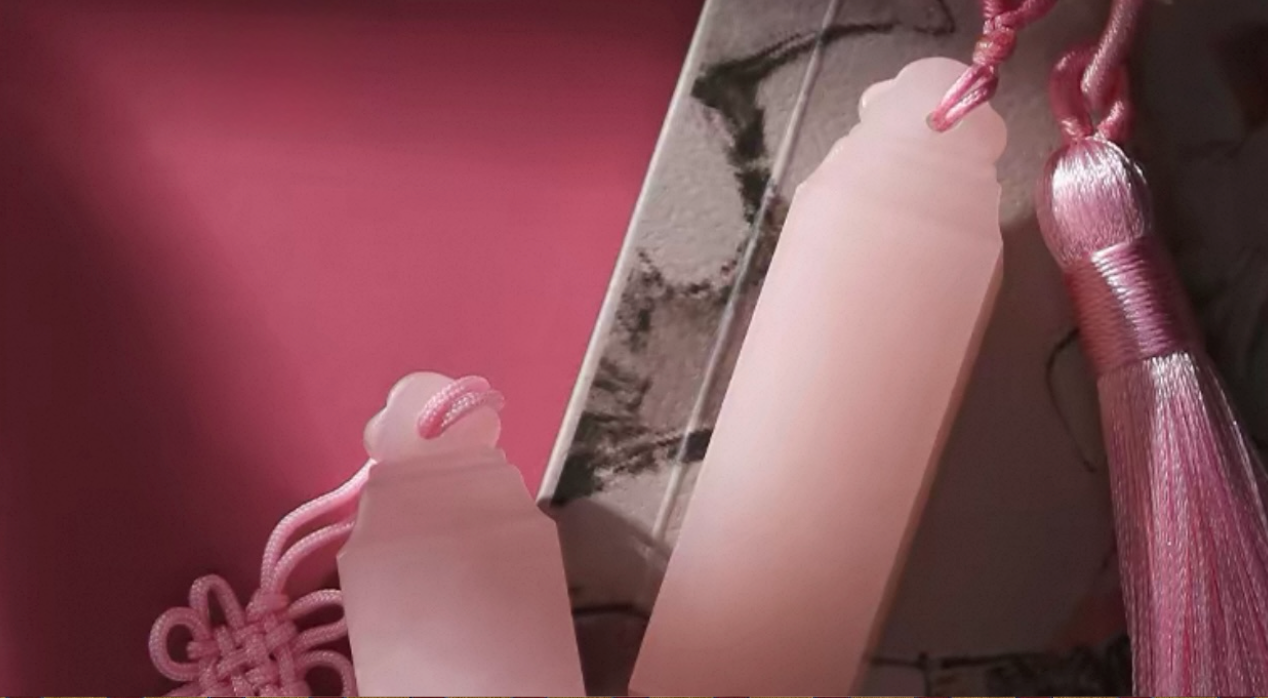
The Art of the Hanko: Why Japan's Traditional Personal Seal Remains a Symbol of Identity, Craftsmanship, and Heritage
A craftsman sits at a low wooden bench, the only sounds the whisper of a fine chisel and the rhythmic breath of absolute concentration. In his hands, a small cylinder of dense buffalo horn slowly reveals its secret—a character, carved in mirror image, that will soon become a person’s most intimate mark of identity. Each cut is irreversible, a testament to decades of training and an artistry that no machine can replicate. This is the world of the Japanese hanko, where a stamp no larger than your thumb can carry centuries of tradition, profound personal meaning, and a level of craftsmanship that transforms a utilitarian object into a treasured heirloom.
How can a stamp no larger than your thumb carry centuries of tradition, artistry, and personal meaning? The answer lies in a cultural philosophy that regards a seal not merely as a tool for authorization, but as an extension of the self—a tangible concentration of identity, trust, and aesthetic refinement. In an age of digital signatures and fleeting virtual interactions, the hanko stands as a quiet, powerful anchor to heritage and human touch. This comprehensive guide will take you deep into the artistry, history, and modern significance of the Japanese hanko, revealing why it remains one of the world’s most meaningful personal objects, and how a handcrafted seal can become your own enduring symbol of identity.
What Is a Hanko?
What is a hanko?
A hanko (判子) is a personal seal or stamp traditionally used in Japan in place of a handwritten signature to authenticate documents, artwork, and official transactions. Carved with an individual’s name in kanji, hiragana, katakana, or even the Latin alphabet, a hanko serves as a legally binding, deeply personal symbol of identity and consent.
In Japanese, the terms hanko (判子) and inkan (印鑑) are often used interchangeably in casual conversation, but they carry distinct nuances. Hanko generally refers to the physical seal object itself—the carved cylinder of wood, horn, or stone. Inkan (印鑑) refers more specifically to the seal impression, the stamped mark left on paper, as well as the official registered seal system. You might carry a hanko in your pocket, but the red vermilion impression you leave on a contract is your inkan. Both words trace their roots to classical Chinese, where seals (yìnjiàn) have been used for millennia, but in Japan they evolved into a unique and indispensable element of daily life, governance, and art.
Historically, seals were introduced to Japan from China around the 1st century, originally as symbols of imperial authority. Over time, they became essential for the samurai class, merchants, and eventually all citizens. Where the West developed a culture of the handwritten signature, East Asia placed its trust in the carved seal—a mark that was exceptionally difficult to forge and required the physical presence of the owner. Even today, in a country known for cutting-edge technology, the hanko remains a requirement for major life events: opening a bank account, buying property, getting married, or inheriting a family business. The persistence of this tradition speaks to a deeply rooted belief that identity is something to be impressed, not just scribbled.
The History of Japanese Hankos
The story of the Japanese hanko is a journey through centuries of cultural exchange, political consolidation, and artistic evolution. Understanding its history illuminates why this small object continues to command such profound respect.
Origins in Ancient China
Seals first appeared in China as early as the Shang dynasty (1600–1046 BCE), used by rulers to mark official decrees. Made from bronze, jade, or precious metals, these early seals were symbols of absolute power. The use of seal paste (red vermilion) and the practice of pressing a carved block into a soft surface became a sophisticated method of authentication that spread along trade routes and diplomatic missions.
Introduction to Japan
The first recorded seal to reach Japan was a solid gold seal presented by Emperor Guangwu of the Han dynasty to a Japanese envoy in 57 CE, discovered centuries later on the island of Shikanoshima. This artifact, now a national treasure, marked the beginning of Japan’s long relationship with the seal. For centuries, the use of seals remained confined to the Imperial Court and Buddhist temples, where they validated sacred texts and edicts.
Adoption by the Imperial Court and Samurai
During the Nara (710–794) and Heian (794–1185) periods, the Japanese court developed its own sophisticated seal system, with regal seals ( Raden ) used for state documents. As political power shifted to the warrior class, samurai lords adopted personal seals to authorize land grants, decrees, and treaties. A samurai’s hanko was as vital as his sword—both signified honor, authority, and the weight of his word. By the Edo period (1603–1868), a unified and peaceful Japan saw the seal system expand dramatically. Merchants used hankos to sign contracts, artists stamped their paintings and woodblock prints, and ordinary townspeople began to adopt personal seals for everyday administration.
Modern Legal and Personal Use
The Meiji government’s modernization efforts in the late 19th century formalized the hanko system into law. In 1873, the Jitsuin (registered seal) system was established, requiring all citizens to register a specific seal with local government for use in legally binding contracts. This legal infrastructure embedded the hanko into the very fabric of Japanese society. Although recent digital initiatives have relaxed some requirements, the personal seal remains a requirement for critical transactions, and millions of Japanese people continue to use hankos daily for banking, business, and personal affairs.
Contemporary Appreciation as an Artisan Craft
In the 21st century, as the legal necessity of hankos slowly diminishes, a fascinating transformation has occurred. The hanko is increasingly cherished not just as a tool but as a work of art and a luxury symbol of cultural identity. Master seal carvers, who once served a purely functional market, are now recognized as artisans of extraordinary skill. Collectors, calligraphy enthusiasts, and discerning gift buyers around the world seek out handcrafted hankos for their aesthetic beauty, material richness, and the quiet statement they make about the value of tradition in a disposable world.
Types of Japanese Hankos
A Japanese personal seal is not a one-size-fits-all object. Depending on the gravity of the situation, different types of hankos are used, each with its own level of formality, legal standing, and personal significance. Understanding these categories is essential for anyone looking to acquire an authentic seal.
Jitsuin (Registered Seal)
The jitsuin (実印) is the most important seal a person can own. It is officially registered with the municipal government and is required for high-stakes legal transactions such as purchasing real estate, taking out a significant loan, or guaranteeing a contract. A jitsuin must display the owner’s full, legally registered name, and only one jitsuin can be registered per person. Because of its power, the jitsuin is typically a finely carved, high-quality seal, often made from precious materials like buffalo horn or boxwood, and is stored carefully at home rather than carried around. When a document is stamped with a jitsuin, it carries the full weight of the law, equivalent to a notarized signature in Western systems.
Ginkō-in (Bank Seal)
The ginkō-in (銀行印) is the seal registered with a bank and used for all financial transactions—opening an account, withdrawing funds, transferring money. It is less formal than a jitsuin but still critically important. A ginkō-in can be slightly smaller, and some people choose a design that differs from their jitsuin for an added layer of security. If a ginkō-in is lost, the bank must be notified immediately, as it grants direct access to one’s assets.
Mitome-in (Everyday Seal)
The mitome-in (認印) is the most casual and commonly used seal. It often bears just the surname, or a stylized abbreviated form of the name, and is used for routine acknowledgments such as receiving a parcel, signing office paperwork, or confirming internal documents. Mitome-in are typically less expensive, machine-carved, and widely available in stationery shops. They do not require registration. For a Western equivalent, think of the mitome-in as a quick personal mark, similar to an initial, but still carrying the formality that a simple signature would lack in Japan.
Decorative & Artistic Hankos
Beyond the three functional categories, there exists a world of purely artistic and decorative hankos. These are not used for legal or financial purposes but are treasured as personal expressions of identity, elegance, and art. Calligraphers, painters, and tea masters have long used artistic hankos to sign their work, often carving the seal themselves. Today, handcrafted hankos made from rare woods, crystal, or semi-precious stones, and featuring poetic names, monograms, or auspicious symbols, are sought after as luxury desk accessories, collectibles, and deeply meaningful gifts. This category is where the seal transcends utility and becomes a pure object of beauty and cultural appreciation.
How a Handcrafted Hanko Is Made
The creation of a genuine handcrafted hanko is a meditative, immensely skilled process that has remained essentially unchanged for centuries. Unlike mass-produced stamps, where a machine carves pre-programmed fonts into inexpensive plastic or acrylic, a handcrafted hanko is the product of a single artisan’s vision and technique. Each seal is unique, bearing the subtle variations that only human hands can produce.
Selecting the Material
The process begins with choosing a blank—a carefully cut cylinder of fine material. The artisan inspects every blank for grain, density, and imperfections. High-end materials like buffalo horn, dense boxwood, ebony, or titanium each offer distinct carving characteristics. The material must be flawless, as a single crack or irregular grain can ruin the intricate carving to come. For luxury hankos, the selection process is rigorous; only a small percentage of raw material meets the standard.
Designing the Characters
Once the blank is chosen, the artisan collaborates with the client (or follows the brief) to determine the exact characters, script style, and layout. This is where calligraphic expertise becomes essential. The design is drawn in reverse on the flat face of the seal—a demanding mental exercise. The seal carver must have an intimate knowledge of Japanese calligraphy, the stroke order and balance of kanji, and how the characters will look when impressed in red vermilion ink. Several script styles are possible: tensho (ancient seal script) is highly prized for its archaic, elegant aesthetic; kaisho (standard block script) offers clarity; gyosho (semi-cursive) brings flowing grace; and stylized modern fonts can be adapted. The layout can be vertical (traditional for Japanese names) or horizontal. This design phase is a true collaboration between artist and owner, and it establishes the seal’s unique personality.
Hand Carving
With the design transferred in reverse, the carver picks up a set of razor-sharp chisels and gouges, known as tagane. There is no machine guidance, no second chance. The artist carves entirely by hand, removing minute shavings of material to create raised characters (relief carving) that will hold the ink. The depth must be consistent, the edges crisp, the intricate internal spaces of a kanji character perfectly shaped. A single slip can ruin the seal. For an elaborate tensho character with many fine lines, the process can take hours of uninterrupted, patient work. The artisan’s breath must be controlled, the hand guided by years of muscle memory. This is where the soul of the hanko is born.
Finishing & Polishing
After the carving is complete, the relief surface is carefully smoothed with fine abrasives to ensure a clean, even impression. The body of the seal is polished to a lustrous finish—horn is brought to a deep, translucent glow; boxwood is waxed to a silken touch; titanium is brushed or mirror-polished. The sides of the seal may be left plain or decorated with subtle carved grooves, known as kiku carving, that demonstrate the artisan’s skill and add a dimension of tactile beauty.
Testing the Impression
No hanko leaves the workshop without thorough testing. Using high-quality vermilion paste (shuniku), the artisan makes multiple test impressions on fine paper. Each stamp is examined under magnification for clarity, ink transfer, and artistic balance. Adjustments are made if even a microscopic flaw appears. Only when the impression perfectly matches the design and reveals the unique “hand” of the carver is the hanko approved.
Presentation & Storage
A handcrafted hanko is not simply tossed into a drawer. It is presented in a hanko-ire, a custom-fitted case or box, often lined with silk and accompanied by an ink pad. The case protects the precious seal and reinforces its status as an heirloom-quality object. This ritual of care—from the selection of material to the final presentation—transforms the hanko from a stamp into a personal treasure.
Materials Used in Luxury Hankos
The material of a hanko is not merely a functional substrate; it defines the seal’s character, weight, tactile quality, and prestige. In the world of handcrafted luxury seals, the choice of material is deeply considered, reflecting both aesthetic preference and the intended symbolism.
-
Boxwood (Tsuge)
A dense, fine-grained wood with a warm golden hue that deepens with age. Boxwood is prized for its carving precision, silky texture, and traditional appearance. It accepts even the most intricate tensho carving and develops a rich patina through years of use. -
Ebony (Kokutan)
Dark, heavy, and visually striking, ebony is the choice for those who prefer a modern, minimalist elegance. Its jet-black surface contrasts beautifully with the bright red seal impression. Ebony is extremely hard, requiring exceptional skill to carve by hand. -
Buffalo Horn (Suigyū Kaku)
Considered the most premium traditional material for jitsuin, buffalo horn is renowned for its natural luster, hardness, and resistance to wear. White horn and darker shaded horn (often from water buffalo) offer a range of sophisticated tones. When polished, horn seems to glow from within, and it does not warp with moisture. A well-carved horn hanko is an heirloom that can last centuries. -
Titanium
A contemporary luxury material, titanium offers a sleek, modern aesthetic with extraordinary durability. It is lightweight yet incredibly strong, resistant to corrosion, and can be polished to a brilliant finish. Titanium seals appeal to those who value innovative materials and a fusion of tradition with cutting-edge craftsmanship. -
Stone and Crystal
Natural stones such as agate, jade, and rock crystal are occasionally used for decorative and collector’s hankos. Their natural variegation means no two seals are exactly alike. Carving stone requires specialist tools and a different approach, but the result is a stunning object of art. Crystal offers a pure, luminous quality that elevates the hanko to a true luxury showpiece. -
Precious Materials
For the ultimate in exclusivity, some artisans create hankos with accents of gold, silver, or precious woods. These pieces are often commissioned to mark a landmark birthday, retirement, or the succession of a family business. The value lies as much in the symbolic weight as in the material.
The material you choose reflects your personality and intent. A buffalo horn jitsuin speaks of tradition and gravitas. An ebony hanko with minimalist modern carving says something about contemporary style. A handcrafted boxwood seal is a warm, understated companion for a lifetime.
Why Handmade Hankos Are So Valuable
Why are handmade hankos expensive?
A handcrafted hanko commands a premium price because it is not a mass-produced commodity but a uniquely personal work of art, created by a highly skilled artisan using centuries-old techniques and the finest materials. The cost reflects the irreplaceable value of human expertise, the time-intensive nature of hand carving, and the guarantee of a one-of-a-kind object that cannot be replicated.
The true value of a handmade hanko lies in the decades, sometimes generations, of mastery behind each cut. Seal carving is not a casual skill; it demands a deep understanding of calligraphy, material properties, and tool control. An artisan must know exactly how a particular buffalo horn blank will respond to a certain chisel angle, how to adjust pressure to carve a 0.3mm line without shattering the material, how to create balance within a character so the impression feels alive. This expertise cannot be programmed into a CNC machine.
Furthermore, a handmade seal carries the unmistakable warmth of the human hand. Under magnification, you can see tiny variations—the slight swell of a line, the organic tapering of a stroke’s end—that a machine could never reproduce. These “imperfections” are the signature of the artist, the proof of authenticity. Each hanko is a direct collaboration between the artisan and the future owner. From the choice of material to the layout of the characters, the process is deeply personal. Owning a handcrafted hanko means owning a piece of someone’s focused attention and a fragment of a living cultural tradition.
Handmade seals are produced in very limited quantities. A master carver might complete only a few pieces per week, and each one is bespoke. There is no factory, no inventory of identical stamps. This inherent scarcity, combined with rising global appreciation for Japanese craftsmanship, makes handcrafted hankos not just purchases, but investments in heritage, artistry, and personal identity.
Hanko vs Modern Signatures
In an age of biometric authentication and digital certificates, the hanko might seem an anachronism. Yet, a side-by-side comparison reveals that the traditional seal offers unique advantages that no electronic system can fully replace. The following table provides a concise overview, optimized for quick understanding.
| Aspect | Hanko (Handcrafted Japanese Seal) | Modern Signature / Digital Auth |
|---|---|---|
| Legal Authority | A registered jitsuin carries the highest legal weight in Japan for property, marriage, and inheritance. Equivalent to a notarized signature. | Digital signatures and handwritten signatures have legal force, but often require additional witness or notarization for high-value acts. |
| Security | Exceptionally difficult to forge. A hand-carved seal has unique micro-characteristics. Physical possession of the seal is required, adding a layer of security. | Vulnerable to forgery, identity theft, hacking, and phishing. Biometrics add security but raise privacy concerns. |
| Personal Identity | Embodies one’s name in an artistic form that reflects personal style, calligraphic taste, and material choice. The seal becomes a physical extension of self. | A signature is a personal mark, but often hurried and inconsistent. Digital representations are impersonal data strings. |
| Cultural Meaning | Carries 2,000 years of East Asian tradition, ritual, and respect. Using a hanko is an act of cultural participation. | Largely a pragmatic tool. Signatures vary widely in cultural weight, but rarely carry the same ritualistic depth. |
| Artistic Value | A genuine handcrafted hanko is a miniature sculpture, an object of contemplation and beauty, often displayed as art. | None inherent; a signature’s value is only as a personal mark. |
| Permanence & Tangibility | An heirloom that can be passed down through generations, gaining history and patina. A physical, treasured object. | Ephemeral. Digital records can be corrupted; paper fades. No physical object to transmit. |
The comparison reveals that while a digital signature might be convenient, it cannot replace the multisensory, deeply human significance of a hand-carved seal. The hanko engages touch, sight, and even sound—the soft “click” as horn meets paper. It is a meditation in a rushed world.
Why Collectors and Gift Buyers Love Hankos
The appeal of a handcrafted hanko extends far beyond its utilitarian purpose. It sits at the intersection of functional artistry, personal symbolism, and cultural appreciation—a rare combination that attracts collectors, luxury gift buyers, and Japan enthusiasts alike.
Functional Artistry
A hanko is a tool that is also a piece of fine art. It belongs on an executive’s desk alongside a Montblanc pen and a hand-bound journal. The satisfying weight of a buffalo horn seal, the intricate carving on its face, the beauty of the impressed characters—this is functional elegance at its purest.
Personal Symbolism
Giving a hanko is giving a personalized symbol of identity. For weddings, a custom seal bearing the couple’s new shared surname or a combined motif is a profoundly meaningful gift. For a corporate milestone, a custom seal with the company’s philosophy carved in classical script becomes a statement of values. A child’s first jitsuin marks their entry into adult responsibility.
Luxury Gifting
In the realm of luxury gifts, the handcrafted hanko occupies a unique niche. It is not fleeting like flowers or impersonal like a gift card. It is personal, timeless, and speaks of deep cultural knowledge. Recipients understand that the giver sought out something genuinely rare—an object crafted by hand using traditions that have survived for centuries.
Corporate Gifts
For international business relationships, a handcrafted hanko can bridge cultures. A Western executive presenting a Japanese partner with a beautifully carved seal of their name demonstrates extraordinary thoughtfulness and respect. Conversely, a custom seal for a Western business leader from a Japanese firm is a gesture of trust and permanence.
Calligraphy Appreciation and Japanese Aesthetics
Lovers of Japanese calligraphy and the concept of shibumi (understated beauty) are naturally drawn to the hanko. The seal captures the essence of a name in a few square millimeters, distilling the beauty of kanji into a permanent, usable form. Collectors often commission hankos from renowned carvers as part of a broader collection of writing instruments, ink stones, and art objects.
Heirloom Potential
Unlike most modern possessions, a high-quality handcrafted hanko does not degrade. It gains value with time, becoming a family heirloom that connects generations. A grandfather’s seal, used to sign the documents that built a family’s prosperity, carries an irreplaceable emotional charge.
Designers, architects, and creative professionals increasingly incorporate hankos into their personal branding, using the seal as a maker’s mark on drawings, letters, and limited editions. This modern reinvention keeps the tradition alive and relevant.
Choosing the Perfect Hanko
Selecting a handcrafted hanko is a deeply personal process that blends practical considerations with aesthetic sensibility. Whether you are acquiring your first seal or adding to a collection, here are the key factors to evaluate:
-
Material
Consider how you will use the seal. For a daily-use mitome-in, boxwood offers warmth and resilience. For a jitsuin of the highest formality, buffalo horn is the traditional and most prestigious choice. For a modern executive gift, ebony or titanium makes a contemporary statement. The material should match the intended emotional weight and frequency of use. -
Carving Quality
Inspect close-up photographs of the seal face. In a handcrafted hanko, the lines should be sharp, the depth consistent, and the characters well-proportioned. The carving style—tensho, kaisho, gyosho—should align with your aesthetic. Tensho is ideal for a timeless, scholarly look; kaisho ensures clarity; gyosho adds personality. -
Character Design and Balance
The layout matters. A skilled artisan will balance the visual weight of the characters within the circular or square boundary. There should be a harmonious relationship between the white space and the red ink. In custom work, discuss with the artisan how your name (whether Japanese or translated into kanji) will be rendered to ensure beauty and accuracy. -
Size and Ergonomics
Hankos come in various sizes, typically measured by the diameter of the face. Men’s seals are often slightly larger (e.g., 15-18mm for a jitsuin), while women’s can be more delicate (13.5-15mm). The length of the seal body should feel comfortable in the hand. A well-made hanko is balanced and easy to press. -
Intended Use and Registration
If you plan to register the hanko as a jitsuin in Japan, ensure it meets local municipal requirements (full legal name, specific size). For a bank seal, know your bank’s specifications. If the seal is for decorative or personal use outside Japan, you have complete creative freedom. -
Craftsmanship Provenance
When you buy from a trusted source, you are investing in authenticity. Look for clear information about the artisan, the carving process, and the materials. A genuine handcrafted hanko should come with assurance of its origin—a story that adds immeasurable value.
Hankos in Contemporary Living
The handcrafted hanko has gracefully transcended its bureaucratic origins to become a cherished element of modern lifestyle and design. Here is how today’s connoisseurs are integrating these exquisite seals into daily life and special moments:
Personalized Gifts with Soul
A custom hanko is a gift that says, “I see you, and I honor your identity.” For a birthday, anniversary, or graduation, a seal carved with a name in elegant Japanese characters is unexpected and deeply touching. It becomes a symbol of the recipient’s unique story.
Executive Desk Accessories
On a glass-and-steel desk, a handcrafted ebony or titanium hanko acts as an anchor of warmth and humanity. It complements luxury fountain pens, leather-bound notebooks, and bespoke stationery, signaling a leader who values precision and heritage.
Wedding Seals and Family Crests
Couples are commissioning paired hankos or a single seal bearing their new family name, often used on wedding invitations, thank-you notes, and shared documents. This modern ritual creates a new family tradition, a tangible “first heirloom” for the marriage.
Collectible Art Objects
Collectors of Japanese art and calligraphy tools appreciate handcrafted hankos as miniature sculptures. Displayed on a small stand or in a custom box, a beautifully carved seal with a rare material invites contemplation and conversation.
Cultural Keepsakes
For Japan enthusiasts, tourists who want more than a souvenir, and people with a deep connection to Japanese culture, an authentic hanko is a portable piece of Japan—a keepsake that carries the spirit of the country’s aesthetics and values.
Luxury Stationery Companions
The renaissance of fine stationery and letter-writing has found a natural partner in the hanko. It replaces or augments a signature on personal correspondence, adding a touch of ritual and artistry to every envelope and card.
In a fast-moving digital world, the deliberate act of unsheathing a hanko, pressing it into vermilion paste, and stamping a document is a small but powerful act of mindfulness. The hanko invites us to slow down, to make our mark with intention.
Why Oriental Artisan Celebrates the Art of the Hanko
At Oriental Artisan, we believe that the most powerful objects are those that connect us—to our identity, to the hands that made them, and to the cultures that gave them meaning. The Japanese hanko embodies this philosophy with quiet perfection. Our role is not to reinvent this tradition, but to honor it, preserve it, and share it with a global audience who values authenticity over convenience.
We curate a collection of handcrafted hankos created by artisans who have inherited carving traditions stretching back through generations. Each seal in our collection is a direct expression of the carver’s skill, guided by calligraphic expertise and an innate sense of beauty. We choose materials with uncompromising standards—dense boxwood, radiant buffalo horn, deep-hued ebony—and we present every piece with the respect it deserves.
Oriental Artisan exists at the crossroads of Japanese heritage and contemporary luxury. We see the hanko not as a relic, but as a living art form. It is a tool for signing, yes, but it is also a meditation on impermanence and permanence, on the mark we leave behind. For the collector who has everything, the professional who values nuance, the gift-giver who seeks profound meaning, a handcrafted hanko speaks a language that needs no translation.
We invite you to explore the artistry of the seal, to discover the material and style that resonates with your own sense of identity. In a world where so much is mass-produced, a handcrafted hanko is a declaration: that you value the human touch, that you understand the weight of a promise, and that you choose to leave a mark that will last for generations.
Frequently Asked Questions
What is a hanko?
A hanko is a personal seal or stamp used in Japan to authenticate documents. It is carved with the owner’s name in kanji or other scripts and is used in place of a handwritten signature. Hankos range from everyday casual seals to legally registered, high-security seals.
What is the difference between a hanko and an inkan?
In casual use, the terms are interchangeable, but hanko (判子) typically refers to the physical stamp object, while inkan (印鑑) refers to the seal impression left on paper and the formal registered seal system. You use a hanko to make an inkan.
Are hankos still used in Japan?
Yes, hankos remain essential for many official procedures, including registering marriages, purchasing real estate, and opening bank accounts. While the government is promoting digital alternatives, the personal seal remains deeply embedded in legal and cultural practice.
Can foreigners own a hanko?
Absolutely. Anyone can own a personal hanko. Foreigners in Japan often use katakana or Latin alphabet seals for convenience, or adopt a kanji name seal for cultural integration. Outside Japan, a hanko is a beautiful personal artifact, regardless of nationality.
How are hankos made?
Handcrafted hankos are made by skilled artisans who carve the mirror image of the chosen characters into a solid blank of wood, horn, or other material using fine chisels. The process includes material selection, reverse calligraphy design, meticulous hand carving, polishing, and testing.
Why are handmade hankos expensive?
They reflect the intensive labor, decades of training, and irreplaceable expertise of the artisan. A single seal can take hours to carve by hand, with no margin for error. The use of premium materials and the bespoke, one-of-a-kind nature of each piece justify the price as a luxury art object.
What material is best for a hanko?
The best material depends on use. Buffalo horn is the traditional premium choice for formal registered seals due to its durability and luster. Boxwood is beloved for its warm feel and carving precision. Ebony and titanium offer a modern, minimalist aesthetic. Each material provides a distinct character.
Is a hanko legally binding?
A registered jitsuin is legally binding in Japan and carries the same authority as a notarized signature. For a seal to be legally recognized, it must be properly registered with the local government. Informal seals like mitome-in do not carry the same legal weight.
How do I choose a custom hanko?
Start by defining its purpose (legal, financial, personal art). Select a material that matches your aesthetic and intended use. Discuss the script style (tensho, kaisho, gyosho) and layout with the artisan. Ensure the carving is handcrafted for a unique, authentic result. Trust a reputable curator.
Where can I buy an authentic handcrafted hanko?
Authentic, high-quality handcrafted hankos are available through specialized artisans and trusted curators like Oriental Artisan, which works directly with skilled Japanese seal carvers to offer bespoke, heirloom-quality pieces. Always verify the provenance and craftsmanship before purchasing.
Can a hanko be used on digital documents?
While a physical seal impression cannot be directly used on a PDF, the hanko remains widely used for paper documents that are later scanned. Some modern digital certification systems mimic the seal visually, but a physical handcrafted hanko’s primary domain remains the tangible, paper-based world.
How should I care for my hanko?
After each use, gently wipe the seal face with a soft, dry cloth to remove excess ink. Store it in its protective case away from direct sunlight and extreme humidity. Never use harsh chemicals. With simple care, a fine hanko will last a lifetime and beyond.
Conclusion
A handcrafted hanko is far more than a personal stamp. It is a symbol of identity, trust, artistry, and continuity—an object that transforms a simple mark into a lasting expression of heritage and craftsmanship. In a digital world dominated by electronic signatures and ephemeral data, the hanko reminds us that the most meaningful impressions are made by hand, with patience, precision, and a profound respect for the person whose name it bears.
To hold a hanko carved from buffalo horn or boxwood, to feel its weight, and to see the vermilion proof of your own identity emerge on paper, is to participate in a ritual that has connected human beings across centuries. It is a small act of preservation, a quiet statement that tradition and beauty still matter.
We invite you to explore Oriental Artisan's curated collection of handcrafted hankos and discover the enduring beauty of one of Japan's most iconic traditions. Whether you seek a formal jitsuin, an expressive artistic seal, or a one-of-a-kind gift that transcends the ordinary, you will find objects that are not just made, but brought to life—by hands that honor the past, and by a spirit that will carry your name into the future.


Leave a comment
This site is protected by hCaptcha and the hCaptcha Privacy Policy and Terms of Service apply.