


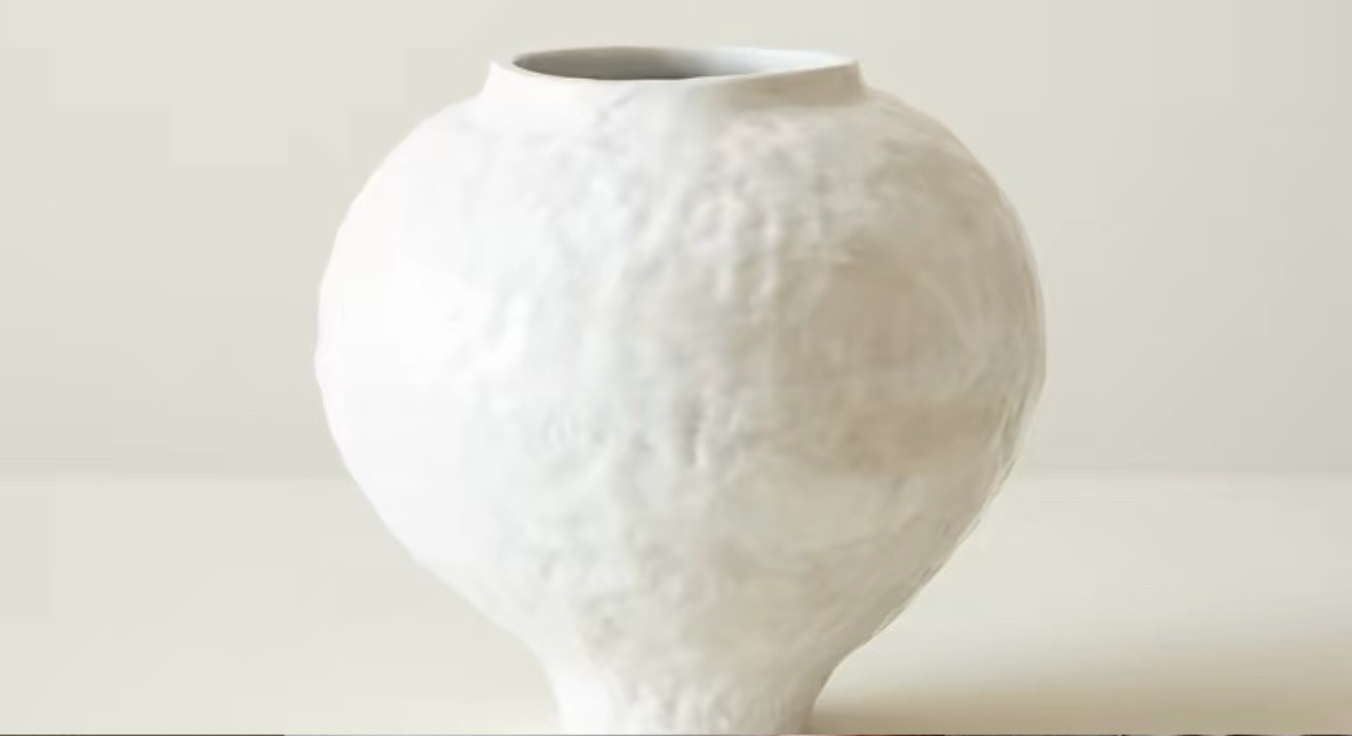
Kohiki: The Timeless Beauty of Japan's Soft White Ceramics
Picture a tea bowl cradled in your palms. Its surface is not a stark, clinical white, but the hue of rice powder dusted on a wooden board—soft, warm, and gently uneven. Beneath a whisper-thin translucent glaze, you sense the quiet presence of the earth: faint brush strokes trace the curve of the bowl like a calligrapher’s ink line, and where the lip meets the light, a subtle blush of warm grey reveals the dark clay body slumbering underneath. This is Kohiki. It does not shout for attention; it breathes. And in that breath, you begin to understand why this unassuming white pottery has held tea masters, ceramic collectors, and lovers of authentic Japanese craftsmanship spellbound for centuries.
Why has the understated beauty of Kohiki captivated tea masters and ceramic collectors for centuries? The answer lies not in spectacle, but in an intimate dialogue between material, maker, and time. Every Kohiki piece is a quiet study in the Japanese aesthetic of wabi-sabi—a celebration of imperfection, impermanence, and the profound elegance of simplicity. In a world that often equates luxury with flawlessness, Kohiki reminds us that true refinement is warm to the touch, alive with the marks of the hand, and deepened by the passage of years.
What Is Kohiki?
What is Kohiki pottery?
Kohiki is a traditional Japanese pottery technique in which a dark, iron-rich stoneware body is coated with a white liquid clay slip, then covered with a transparent feldspathic glaze and high-fired. The resulting surface is a soft, warm white that reveals subtle variations in texture and tone, with the dark clay gently influencing the overall appearance from beneath. The name kohiki literally means “powder-drawn” or “powder-coated,” evoking the look of rice flour delicately dusted onto a surface.
Kohiki belongs to the family of Japanese slipware, yet it stands apart from cold, glossy white porcelain or purely unglazed earthenware. Its heart is a dark stoneware body—often sourced from regions with iron-rich clays—which provides structural strength and quiet chromatic warmth. The magic happens when a white slip, a liquid mixture of refined white clay and water, is applied to the leather-hard form. This slip layer is not an opaque paint; it is a breath of white that allows the dark substrate and the potter’s touch to remain visible. Finally, a clear glaze seals the surface, creating a delicate membrane that, over years of use, will develop a web of fine crackles (craquelure) and accept the gentle stains of tea, recording each moment of companionship.
Unlike porcelain, which is made from a white-firing high-kaolin clay body that is hard, vitrified, and often translucent when thin, Kohiki remains firmly rooted in the world of stoneware. It is warmer, more tactile, and more visually dynamic, its white never uniform but modulated by the pull of the potter’s hand and the alchemy of the kiln. This crucial distinction—between the cool perfection of porcelain and the human warmth of slip-covered stoneware—is at the core of Kohiki’s deep resonance with Japanese tea culture.
The History of Kohiki Ceramics
The story of Kohiki begins not in Japan, but on the Korean peninsula. During the Muromachi period (1336–1573), and particularly through the Japanese invasions of Korea in the late 16th century, Korean potters were brought to Japan, bringing with them advanced ceramic techniques that would reshape Japanese pottery forever. Among these techniques was the application of white slip over a darker clay body—a style seen in Korean buncheong ware, which flourished in the 15th and 16th centuries.
Korean buncheong potters would coat stoneware vessels with a white slip, often then incising, stamping, or brushing away portions to create decorative patterns. The Japanese tea practitioners who encountered these wares were enchanted. In the refined yet rustic setting of the tea ceremony, where simplicity and naturalness were prized above ostentation, the soft white surfaces of slip-coated bowls seemed to capture morning mist on a mountain village. They harmonized with the deep green of powdered matcha, and they felt unpretentious, pure, and profoundly human.
Japanese potters, especially those working in the Karatsu and Hagi regions of Kyushu and western Honshu, adopted and adapted the white slip technique, giving birth to what would become known as Kohiki. The term itself—written 粉引 and sometimes read as kofuki—can be interpreted as “powder coating.” It perfectly described the visual effect of a white layer that seemed to be drawn over the surface like a dusting of fine flour.
Crucially, Kohiki’s development in Japan became intertwined with the aesthetics of wabi-cha, the rustic tea ceremony championed by tea masters such as Sen no Rikyu. Rikyu sought vessels that were understated, asymmetrical, and suggestive of the fleeting beauty of the natural world. Kohiki bowls, with their varied white slips, visible tool marks, and capacity to age beautifully with use, embodied these ideals. Over subsequent centuries, Japanese potters refined the technique, reducing the slip application to the subtlest of gestures, and Kohiki evolved into a distinctive Japanese ceramic tradition, celebrated for its quiet luxury and deep cultural resonance.
How Kohiki Pottery Is Made
Behind the serene white surface lies a meticulous, multi-stage process that demands both technical mastery and artistic sensitivity. Every step influences the final character of the piece, ensuring no two Kohiki works are ever identical.
Selecting the Clay
The journey begins with the dark clay body. Potters typically choose a stoneware clay rich in iron and other minerals, often sourced from specific regions in Japan renowned for their ceramic clays. This dark foundation is essential: during the high-temperature firing, iron particles migrate subtly into the white slip, creating the unique warmth and occasional blush of pinkish or grey undertones that distinguish Kohiki from stark industrial white. The clay is carefully wedged to remove air bubbles and ensure uniform consistency.
Preparing the White Slip
The white slip is a liquid suspension of refined white clay—often a kaolin or a blend of white-firing materials—mixed with water to a creamy consistency. The exact recipe is a closely guarded secret for many artisans, as small variations in mineral content and particle size dramatically affect the finished surface. The slip must be fluid enough to coat evenly but dense enough to remain opaque yet translucent after firing.
Wheel Throwing or Hand Building
Most Kohiki tea ware is wheel-thrown, allowing the potter to create the gentle, organic forms prized in Japanese ceramics. As the wheel spins, the artisan’s fingers shape the clay, leaving subtle concentric ridges on the interior and a soft, undulating profile. Some pieces are hand-built using slabs or pinching techniques, imparting an even more intimate, sculptural quality. These forming marks remain visible through the slip, a permanent record of the maker’s touch.
Applying the Slip
When the clay reaches a leather-hard state—firm but still slightly moist—the white slip is applied. This is one of the most expressive stages. The potter may dip the entire piece into a vat of liquid slip, pour the slip over the surface, or paint it on with a broad, soft brush. Brush application leaves the characteristic flowing marks that resemble wind-blown snow or calligraphic strokes. The slip is absorbed into the porous clay body, bonding with it rather than sitting on the surface like paint. The artisan controls the thickness and coverage, often allowing the dark clay to show through at the foot or in subtle patches, creating a natural keshiki (landscape) effect.
Drying
The slipped piece is left to dry slowly and evenly, often in a controlled environment. Rushing this stage can cause cracking or uneven shrinkage. As the water evaporates, the slip layer tightens against the clay, and the piece acquires its preliminary leathery hardness.
Trimming
Once firm, the potter trims the foot ring and refines the base using sharp trimming tools. This is where the dark clay body is fully exposed at the bottom, revealing the true nature of the material and providing a striking contrast to the white surface above. The foot ring bears the artisan’s signature cutting pattern—a spiral of fine lines that speaks to the rhythm of the wheel.
Glazing
A transparent feldspathic glaze is then applied over the entire white-slipped surface. This glaze, often made from ground feldspar, wood ash, and other minerals, melts during firing to form a thin glassy layer. It encapsulates the slip, enhancing its depth and creating a slightly lustrous yet still matte-soft appearance. The glaze also makes the surface more durable and food-safe.
Kiln Firing
The final transformation occurs in the kiln. Kohiki pieces are fired in reduction or oxidation atmospheres at temperatures typically between 1200°C and 1250°C. In reduction firing, where oxygen is limited, the iron in the dark clay and any trace minerals in the glaze interact to produce subtle blue-greys, warm ivories, or even pale pinkish tones. The flux of flames and ash deposits can add entirely unpredictable variations. The potter may use a gas kiln for consistency or a traditional wood-fired anagama or noborigama kiln to embrace natural ash effects. The kiln’s heat melts the glaze, fuses the slip to the body, and forever seals the dialogue between earth, water, and fire into a single piece of art.
The Beauty of Kohiki
Kohiki’s allure lies in its restraint. It is a beauty that reveals itself slowly, intimately, rather than declaring itself at first glance.
Soft White Color
The white of Kohiki is never a sterile, blue-tinged laboratory white. It is the white of freshly fallen snow just before dawn, of rice paper, of ground seashells. The underlying dark clay imparts a gentle warmth: ivory, cream, or the palest whisper of beige. Depending on the kiln atmosphere, it may blush with faint rose or muted celadon undertones, shifting with the light and the angle of the viewer’s eye.
Natural Brush Marks
Where the slip was applied by brush, expressive strokes create a calligraphic rhythm. These marks, known as hake-me, are not defects; they are the visual poetry of the artisan’s movement—sometimes bold and sweeping, sometimes delicate as eyelashes. They give the surface a dynamic, textured appearance reminiscent of wind over a snowy field. Each stroke is a frozen gesture, unique and unrepeatable.
Delicate Texture
To touch a Kohiki tea bowl is to understand it. The surface, though glazed, retains a satiny, almost suede-like texture—never the glassy slickness of porcelain. The slip and glaze together create a micro-topography that feels soft to the fingertips, warm and slightly porous, inviting the hands to linger. This tactile quality is essential in tea ceremony, where the bowl is held, turned, and appreciated with more than sight alone.
Warmth of Handmade Surfaces
No industrial process can replicate the subtle undulations of a wheel-thrown Kohiki form. The wall thickness varies gently; the rim rises and falls like a distant mountain ridge. These imperfections are the signature of the human hand and the revolving wheel. They bring the piece to life, making it feel as though it grew organically from the earth rather than being stamped out by a machine.
Gentle Aging
Kohiki is a pottery that lives and breathes with use. Over months and years, the clear glaze develops a fine network of crackles. Tea slowly penetrates these microscopic fissures, tinting the lines a delicate amber, gold, or russet. This patina, called chajimi or tea stains, is not a flaw—it is a cherished diary of countless quiet tea moments. The piece becomes darker and richer, its white softly veiled, gaining a depth that only time can bestow. An aged Kohiki bowl is more beautiful than a new one, whispering stories of mornings shared and seasons passed.
Why Every Kohiki Piece Is Unique
If you hold two Kohiki tea bowls side by side, they will never be identical twins. They are, at best, fraternal kin. This radical uniqueness is not a byproduct of carelessness but the very heart of the artisan craft.
-
Handmade forming: Each piece is individually thrown or hand-built, ensuring subtle differences in shape, balance, and proportion.
-
Slip application: Brushwork, dipping angle, pouring speed—every variable leaves a one-of-a-kind mark. Some pieces have generous white coverage; others reveal a deliberate window of dark clay.
-
Kiln atmosphere: Temperature fluctuations, flame path, and the position of the piece within the kiln create unpredictable color variations. A bowl near the firebox may blush with warm peach tones, while one in a cooler spot retains a cooler ivory.
-
Glaze variation: The thickness of the transparent glaze, its interaction with the slip, and the potential for subtle ash deposits all introduce further singular characteristics.
-
Natural aging: As the piece lives with its owner, the development of crackle patterns and tea staining is entirely personal, a visual record of its unique journey through time.
-
Individual craftsmanship: Even an artisan’s most consistent work will bear the micro-variations of breathing, muscle memory, and mood—the irreducible fingerprint of the maker.
No two pieces of authentic Kohiki will ever be identical. Each is a private world of white, waiting to be discovered.
Why Tea Enthusiasts Love Kohiki
Walk into a traditional Japanese tea room, and you will likely find Kohiki vessels serving matcha or sencha. Why has this ceramic style become so beloved among tea practitioners worldwide?
First is the tactile comfort. A Kohiki bowl feels organic in the hands, its gentle warmth and soft texture a counterpoint to the brisk clarity of the tea. The lip is often shaped to meet the mouth in a natural, comfortable way. Visually, the soft white surface provides the perfect backdrop for the vibrant green of matcha or the pale liquor of a fine gyokuro, creating a stunning chromatic harmony that elevates the tea-drinking experience to an art form.
Kohiki’s quiet elegance never competes with the tea; it cradles it. The bowl’s understated beauty invites mindfulness, encouraging the drinker to slow down and appreciate the fleeting moment. In a tea ceremony, where each gesture is deliberate and each utensil is a teacher, Kohiki exemplifies the principle that true luxury whispers rather than shouts.
Furthermore, Kohiki ceramics transform with seasonal appreciation. In winter, the soft white surface feels warming and protective, recalling snow-covered landscapes. In summer, its lightness provides a visual coolness. The way Kohiki ages—slowly gathering the amber traces of tea—mirrors the tea enthusiast’s own deepening relationship with the practice, making the bowl a loyal companion rather than a disposable object.
Whether used for matcha, loose-leaf tea, or simply admired as an object of contemplation, Kohiki tea ware brings an element of soulful, handmade refinement to everyday life.
Kohiki and the Philosophy of Wabi-Sabi
Kohiki is perhaps the most eloquent material expression of wabi-sabi, the Japanese aesthetic centered on the beauty of imperfection, impermanence, and incompleteness. Every Kohiki bowl embodies these principles:
-
Simplicity: The unadorned white surface and humble form strip away excess, leaving only what is essential.
-
Imperfection: Asymmetry, brush marks, and variations in slip thickness are celebrated as marks of authenticity.
-
Natural beauty: The materials—iron-rich clay, white slip, ash glaze—are left to express their own nature, without artificial embellishment.
-
Patina through use: The crackle stains and subtle surface wear record time, turning the piece into a chronicle of lived experience.
-
Appreciation of time: Kohiki teaches us that beauty is not static; it evolves. The quiet luxury of an aged piece is something that cannot be manufactured—it must be earned.
-
Quiet luxury: In an age of mass production, Kohiki offers a discreet, soulful opulence rooted in craft, not price tag.
Wabi-sabi finds profound joy in the modest, the transient, and the imperfect. Kohiki, with its soft white veil and tender vulnerability to the marks of use, invites us to embrace a more compassionate, attentive way of being.
Kohiki vs Other Japanese Ceramics
To truly understand Kohiki, it helps to place it in dialogue with other revered Japanese ceramic traditions.
Kohiki vs Shino
While both Shino and Kohiki often appear white or pale, they achieve their surface in fundamentally different ways. Shino glazes are thick, milky, feldspathic glazes applied directly to a white or light stoneware body, creating a lush, sometimes pitted or bubbly surface with soft orange fire marks (hi-iro). Kohiki, by contrast, relies on a white slip under a clear glaze over a dark body, resulting in a thinner, more delicate white surface and greater warmth from beneath.
Kohiki vs Hagi
Hagi ware is known for its soft, warm clay body and translucent, milky glazes that can run and pool. Like Kohiki, it is deeply connected to tea ceremony and prized for its gentle aging and chajimi. However, Hagi’s white comes primarily from the glaze itself, which may contain dissolved ash, rather than an applied slip layer. Hagi surfaces can be glossier and more fluid, while Kohiki maintains a more uniform, matte-soft white skin stretched over dark clay.
Kohiki vs White Porcelain
Porcelain is fired at higher temperatures from a white kaolin body; it is hard, resonant, and often translucent. Its white is brilliant, cold, and glassy. Kohiki, a stoneware, is warmer, more opaque, and retains a tactile softness. Porcelain seeks technical perfection; Kohiki seeks living imperfection. Both are white ceramics, but their souls are worlds apart.
Kohiki vs Modern Industrial Ceramics
Industrial white ceramics are designed for absolute uniformity, chemical stability, and machine-made precision. They lack the human touch, the natural variation, and the evolving patina of handmade Kohiki. While an industrial mug will remain identical for decades, a Kohiki bowl deepens in character each year, becoming more beautiful and personal.
Comparison at a Glance
| Characteristic | Kohiki | Shino | Hagi | White Porcelain | Modern Industrial |
|---|---|---|---|---|---|
| Body Material | Dark iron-rich stoneware | White or light stoneware | Soft, warm stoneware | White kaolin clay | Uniform white earthenware/stoneware |
| White Technique | White slip under clear glaze | Thick white feldspathic glaze | Milky translucent glaze | Natural body, clear glaze | Applied uniform white glaze |
| Surface Feel | Soft, matte, slightly textured | Lush, bubbly, or smooth | Smooth, glossy to satin, pooling | Glassy, cool, smooth | Slick, uniform, cold |
| Color Warmth | Warm ivory, grey undertones | Creamy with orange fire marks | Warm beige to blush pink | Blue-white, cool | Neutral, dead white |
| Aging Character | Fine crackle, tea staining | Some crackle, subtle stain | Pronounced crackle, deep staining | Minimal change, some stain | No appreciable change |
| Aesthetic Spirit | Wabi-sabi, understated luxury | Rustic elegance, natural drama | Gentle warmth, tea intimacy | Refined perfection, formality | Sterile efficiency |
Why Collectors Value Kohiki Pottery
For serious ceramic collectors and design connoisseurs, Kohiki offers a rare convergence of art, history, and lived experience.
Handmade craftsmanship elevates each piece into a functional sculpture. The knowledge that a skilled artisan formed, slipped, and fired the work using centuries-old methods imbues the object with cultural gravity. Individual character means that a collection of Kohiki is never repetitive; every piece is a distinct personality.
Cultural heritage ties Kohiki to the storied tea ceremony and the Korean-Japanese ceramic dialogue. Owning an authentic Kohiki piece connects the collector to this rich lineage. Tea ceremony significance ensures that these ceramics are more than decoration—they are tools of a spiritual practice, objects of contemplation.
Designers and interior stylists value artistic restraint. In a luxury home or minimalist interior, a single Kohiki vessel can anchor a space with quiet authority, its soft white surface absorbing and reflecting light throughout the day.
Scarcity of exceptional examples also drives appreciation. Truly masterful Kohiki requires decades of skill; high-quality pieces are rare and often sought by connoisseurs worldwide. For the tea practitioner, the ceramic collector, and the designer, Kohiki represents not just an object, but a philosophy of beauty that matures with time.
How to Identify Authentic Kohiki Ceramics
Discerning authentic handcrafted Kohiki from mass-produced imitations requires attention to detail and a willingness to trust your senses.
-
Soft white slip: Authentic Kohiki exhibits a warm, modulated white—never a flat, opaque paint. Look for subtle variations in thickness and glimpses of the dark body underneath.
-
Natural variation: No two surfaces are identical. Brush marks, drips, and thin spots should be present, evidence of a human hand.
-
Handmade throwing marks: Gently running your fingers along the interior and exterior will reveal the soft ridges of the potter’s hands on the wheel.
-
Glaze depth: The transparent overglaze should feel like a thin glass skin, with a soft luster and, often, a fine network of hairline crackles.
-
Foot ring craftsmanship: The exposed dark clay at the base should show trimming marks—spiral lines or delicate ridges—and perhaps an incised signature or seal of the artisan.
-
Artisan signatures: Many studio potters mark their work with a carved signature, stamp, or painted character near the foot. Research can confirm the maker.
-
High-quality materials: The piece should feel substantial yet balanced, with a warmth that industrial wares cannot replicate. The sound when tapped is a soft, earthy tone, not a high-pitched ring.
When purchasing, seek out trusted sources that work directly with artisans and can share provenance. Genuine Kohiki carries the spirit of the maker—a presence you can feel as soon as you hold it.
Caring for Kohiki Ceramics
Kohiki is a living finish. How you care for it directly influences its evolving beauty.
Initial seasoning: Some tea practitioners recommend soaking a new Kohiki piece in warm water or lightly simmering it in rice water before first use. This gentle treatment can prepare the porous clay and help prevent overly rapid initial tea staining, though it is not strictly required. The choice is personal.
Daily cleaning: Hand-wash only with plain warm water and a soft cloth or sponge. Avoid harsh detergents, abrasive scrubbers, and dishwashers, which can strip the developing patina or damage the delicate surface. If needed, a tiny drop of mild, scent-free soap used sparingly is acceptable; rinse thoroughly.
Drying: After washing, dry the piece completely with a soft towel and allow it to air-dry upside down in a well-ventilated space. Never store Kohiki while it is still damp, as trapped moisture can lead to mold or unpleasant odors.
Tea staining: The gradual infiltration of tea into the crackle network is a treasured aspect of Kohiki. Do not try to bleach or scrub these stains away. They are the diary of your tea journey. If you wish to limit early staining, you can occasionally soak the bowl in clean water, but most enthusiasts embrace the deepening color.
Long-term preservation: Avoid sudden temperature changes—do not pour boiling water directly into a cold Kohiki bowl. Thermal shock can crack the stoneware. Kohiki is generally not suitable for microwave or oven use unless the maker explicitly states otherwise. Treat your Kohiki as an heirloom, and it will reward you with a lifetime of quiet companionship and ever-increasing beauty.
Why Oriental Artisan Celebrates Kohiki
At Oriental Artisan, we believe that the objects we use daily should carry meaning, memory, and the unmistakable warmth of the human hand. Kohiki ceramics embody these values with extraordinary grace. Our collection is curated directly from skilled artisans who preserve traditional Japanese techniques, applying their mastery to create pieces that speak to both centuries-old tea culture and the refined sensibilities of modern luxury living.
Every Kohiki vessel we offer is selected for its authenticity, its quiet artistic presence, and its capacity to transform the simple act of drinking tea into a moment of contemplation. We are not simply sellers of ceramics; we are stewards of a living cultural heritage, a bridge between the timeless kilns of Japan and the homes of collectors, tea lovers, and design aficionados around the world.
When you explore Oriental Artisan’s Kohiki collection, you are not purchasing a mass-produced commodity. You are inviting into your life a piece of Japan’s ceramic soul—an heirloom-quality work that will age beside you, gather the soft patina of your days, and remain a source of serene beauty for generations.
Frequently Asked Questions
What is Kohiki pottery?
Kohiki is a traditional Japanese stoneware technique in which a dark clay body is coated with a white liquid clay slip and then covered with a transparent glaze before high-firing. The name means “powder-drawn,” describing the soft, dusted-white surface that results. It is prized for its warmth, tactile quality, and the way it ages with use, especially in tea ceremony contexts.
Why is Kohiki pottery white?
Kohiki’s white color comes from a layer of refined white clay slip applied over an iron-rich dark stoneware body. The slip, made from kaolin or other white clays, creates an opaque yet warm white surface. The underlying dark clay subtly influences the tone, preventing the stark, cold white of industrial ceramics and imparting gentle ivory or grey undertones.
What is Kohiki glaze?
The “Kohiki glaze” is actually a two-part system: a white slip layer covered by a transparent feldspathic glaze. The clear glaze seals the surface and adds a soft, satin luster. It is not the glaze itself that is white but the slip beneath it. This clear glaze also allows the natural texture and brush marks of the slip to remain visible.
Why do tea enthusiasts love Kohiki?
Tea practitioners are drawn to Kohiki for its understated elegance, comfortable hand-feel, and the way it visually harmonizes with green tea. The warm white surface provides a serene backdrop for matcha or sencha, and the pottery’s capacity to develop a personal patina through tea staining makes each piece an intimate, evolving companion on the tea journey.
Is Kohiki pottery handmade?
Yes, authentic Kohiki is entirely handmade. The clay is wheel-thrown or hand-built, the white slip is applied by hand (often by brush or dipping), and the pieces are fired in small-batch kilns. No two pieces are identical, bearing the unique marks of the artisan’s process and the unpredictable nature of the kiln.
Why does Kohiki change over time?
The transparent glaze on Kohiki often develops a fine network of crackles. With use, tea seeps into these microscopic fissures, staining them amber or gold. This gentle darkening, called chajimi, is a highly valued form of aging that makes each piece more beautiful and deeply personal over years of use.
Is Kohiki suitable for daily use?
Absolutely. Kohiki stoneware is fired at high temperatures and is durable enough for daily tea drinking. With mindful care—hand washing, avoiding thermal shock, and gentle handling—a Kohiki tea bowl or cup can be used and enjoyed every day for decades, growing in character all the while.
How do you clean Kohiki ceramics?
Rinse with warm water and use a soft cloth or sponge. Avoid harsh detergents, abrasive scrubbers, and dishwashers. Dry thoroughly after washing. Tea stains within the crackle are part of the natural beauty and should not be scrubbed away aggressively.
What makes Kohiki different from porcelain?
Kohiki is stoneware, made from a dark, iron-rich clay body, while porcelain uses a white kaolin body fired at higher temperatures. Kohiki’s white is warm and modulated, whereas porcelain is cold, bright, and glassy. Kohiki feels softer to the touch, develops a patina, and celebrates imperfection, whereas porcelain pursues flawlessness.
Where can I buy authentic Kohiki ceramics?
Authentic, handcrafted Kohiki ceramics can be found through specialized retailers who work directly with Japanese artisans, such as Oriental Artisan. Look for sources that emphasize direct relationships with potters, provide provenance, and curate pieces for their artistic and functional integrity. Online galleries, select museum shops, and dedicated tea ware boutiques are excellent starting points.
Conclusion
Kohiki is more than a ceramic finish; it is a quiet manifesto. In a culture that often rushes past subtlety, Kohiki asks us to pause, to hold, and to see. Every soft white surface, every calligraphic brush stroke, every fine crackle darkening with the memory of tea, tells a story of earth, fire, water, and the human hand. It reminds us that true beauty is not a destination of perfection but a journey of authenticity.
To bring Kohiki into your home is to welcome a piece of Japan’s ceramic heritage, a daily invitation to embrace simplicity and the gentle passage of time. We invite you to explore Oriental Artisan’s curated collection of Kohiki ceramics—handcrafted by master artisans who honor centuries of tradition while creating pieces for contemporary life and refined interiors. Discover the timeless elegance of soft white pottery that lives, breathes, and becomes more precious with every steep.


Leave a comment
This site is protected by hCaptcha and the hCaptcha Privacy Policy and Terms of Service apply.