
The Complete Guide to Decanters: Why Every Wine Lover Should Own One
The soft glug-glug of a vintage Bordeaux cascading into a hand-blown crystal vessel is one of the most evocative sounds in the world of fine dining. As the wine breathes, moving from the darkness of the bottle into the clarity of the glass, it undergoes a transformation—releasing hidden aromas and softening its structure. This ritual, centered around the decanter, has defined the art of hospitality for centuries. But why does this practice remain a cornerstone of wine appreciation, and what makes a luxury decanter a vital addition to your home?
Whether you are a seasoned collector or a burgeoning enthusiast, understanding the role of the decanter is essential to elevating your wine-serving experience. In this guide, we explore the history, function, and enduring beauty of these vessels, helping you choose the perfect artisan decanter to grace your table.
What Is a Decanter?
A decanter is a specialized vessel designed to hold and serve wine or spirits. Its primary function is to allow wine to breathe (aeration) or to separate aged wine from its sediment. Unlike a standard bottle, a decanter’s wide-base design maximizes the wine's surface area, encouraging oxygen interaction, while its elegant form serves as a centerpiece for refined entertaining.
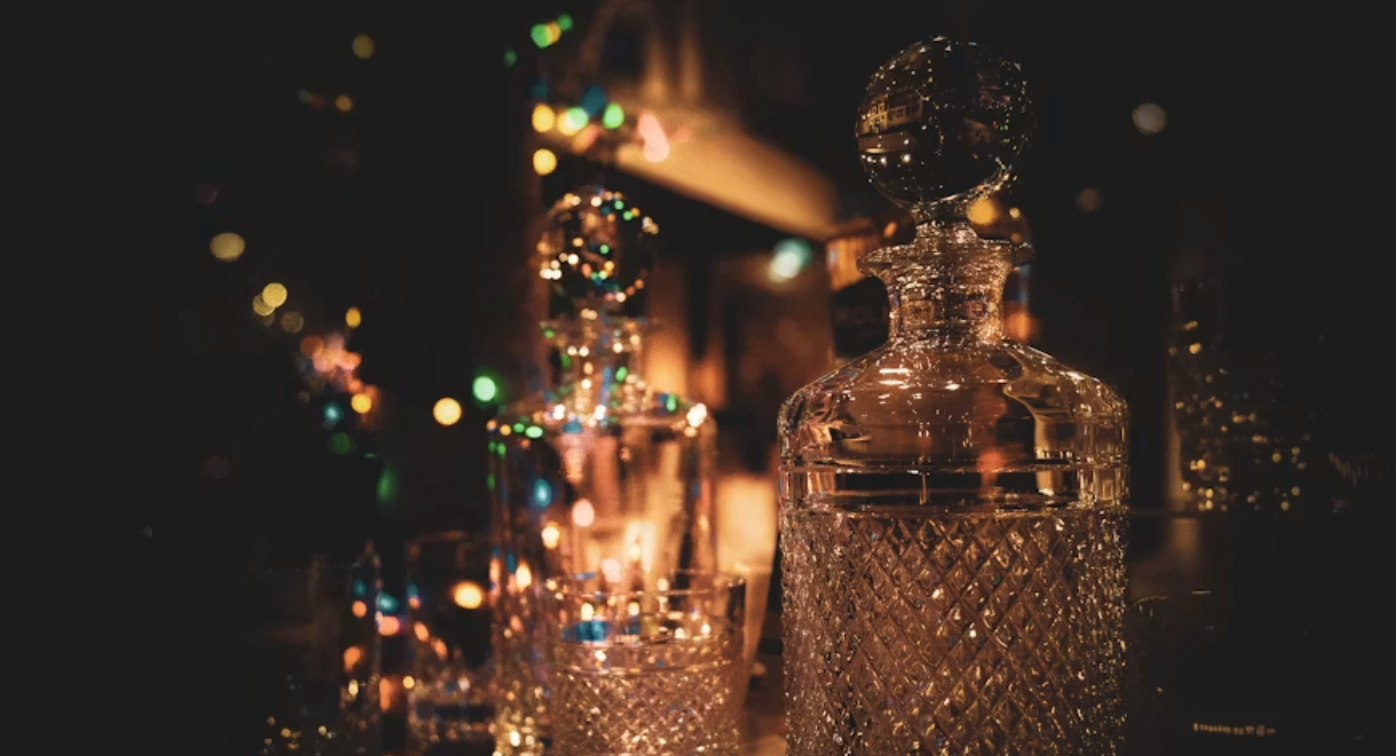
Beyond its utility, the glass decanter is an object of art. While simple carafes may serve wine, a true crystal decanter is often mouth-blown by master artisans, designed to showcase the clarity and viscosity of the liquid within.
The History of the Decanter: A Legacy of Elegance
The evolution of the decanter reflects the history of civilization itself. In Ancient Rome, glass vessels were used to store and serve wine, though they lacked the sophisticated forms we recognize today. By the 18th century, however, the crystal decanter became the ultimate status symbol of aristocratic European dining.
As glassmaking technology advanced, artisans began creating intricate, hand-cut vessels that functioned as both storage and display. These pieces were designed to be kept on the sideboard, signaling a host’s refinement. Today, the tradition continues, with modern luxury homes viewing the decanter as an essential piece of functional decor—a bridge between centuries-old craftsmanship and contemporary aesthetic sensibilities.
Why Do People Decant Wine?
The practice of wine decanting is rooted in science as much as it is in ritual.
1. Aeration (The "Breathing" Effect)
When wine is trapped in a bottle, it is essentially in a state of suspended animation. Exposure to oxygen helps "open up" the wine, softening harsh tannins and allowing complex aromatic compounds to emerge.
2. Sediment Separation
Older, vintage red wines often develop sediment—a natural byproduct of aging. Decanting allows you to leave these bitter particles in the bottom of the original bottle, ensuring a clean, clear pour.
Does a decanter improve wine?
Yes, particularly for young, full-bodied reds or aged wines that have been bottled for many years. Aeration softens tannins and reveals the wine's hidden bouquet, while decanting aged wines ensures that bitter sediment is separated from the liquid, significantly improving the clarity and taste.
Which Wines Should Be Decanted?
Not every wine requires the same treatment. Knowing which to decant is part of the sommelier’s craft:
-
Young, Robust Red Wines: Tannic wines like Cabernet Sauvignon, Syrah, or Barolo benefit immensely from 1–2 hours of aeration.
-
Aged Vintage Reds: These require delicate handling to remove sediment. Decant them shortly before serving to prevent over-oxidation.
-
White Wines: Most do not require decanting, but full-bodied, complex white wines (like mature White Burgundies) can benefit from gentle aeration.
-
Sparkling Wines: Generally, do not decant, as the bubbles (carbonation) will dissipate, losing the wine's signature vibrancy.
Decanter vs Carafe: The Distinction
While often used interchangeably, there is a distinct difference in design and intent.
| Feature | Decanter | Carafe |
| Design | Often features a wide base and a stopper. | Generally tall, open-top, and slender. |
| Primary Function | Aeration and sediment removal. | Serving wine or water at the table. |
| Aesthetic | Formal, luxury, centerpiece quality. | Casual, utilitarian, everyday use. |
| Material | Often high-quality crystal. | Usually standard glass or heat-resistant glass. |
Wine Decanters vs Whisky Decanters
One of the most common questions we receive concerns storage. While wine decanters are built to aerate, whisky decanters are built to preserve.
-
Wine Decanters: Designed with a wide surface area to encourage oxygen exposure.
-
Whisky Decanters: Designed with an airtight stopper to prevent oxygen exposure. Whisky does not "improve" with air; in fact, over-oxidation can ruin the spirit. A luxury whiskey decanter is intended for display and long-term storage of the spirit, maintaining its integrity while showcasing its golden hue.
The Art of Handmade Decanters
At Oriental Artisan, we believe that the vessel is just as important as the vintage. Our collection emphasizes the beauty of handmade decanters, where every curve and angle is a testament to the glassblower’s skill.
Mouth-blown glass possesses an individuality that machine-made glass lacks. The subtle variations in thickness and weight are not "flaws"—they are the signature of human artistry. When you pour a prized vintage into a handcrafted decanter, you aren't just serving a drink; you are participating in a tradition of excellence.
How to Care for Your Decanter
A high-quality artisan decanter is an heirloom. To maintain its brilliance:
-
Cleaning: Rinse with warm water after use. Avoid harsh detergents that can leave residues.
-
Specialized Tools: Use a flexible decanter brush or specialized cleaning beads to reach the base of wide-bottomed vessels.
-
Drying: Always allow the decanter to air dry upside down on a specialized drying rack to prevent water spots.
-
Storage: Store in a cool, dust-free area. If storing spirits, ensure the stopper provides a snug, airtight fit.
Why Oriental Artisan Curates Exceptional Decanters
At Oriental Artisan, we serve as curators of luxury. We believe that the objects in your home should reflect a balance between profound functionality and timeless elegance.
We hand-select our decanters for collectors who demand more than mass-produced glassware. Our collection bridges the gap between traditional craftsmanship and the requirements of modern luxury living. By choosing an artisan piece, you are not merely buying a serving tool; you are investing in a piece of history that will define your dining table for years to come.
Frequently Asked Questions
-
What is a decanter? A glass or crystal vessel used to aerate wine or separate it from sediment, while also serving as a beautiful display piece.
-
Why should wine be decanted? To soften tannins in young wines and to separate bitter sediment from aged vintage wines.
-
How long should wine stay in a decanter? Young reds generally benefit from 30 minutes to 2 hours of breathing time.
-
Can whisky stay in a decanter? Yes, provided the decanter has an airtight stopper. It is perfect for long-term display.
-
What wines benefit most from decanting? Full-bodied, tannic red wines like Cabernet Sauvignon and vintage ports.
-
How do you clean a crystal decanter? Use warm water and gentle cleaning beads, then air dry completely to avoid clouding.
-
Are handmade decanters better? Yes; they offer superior artistry, unique character, and higher quality materials compared to mass-produced alternatives.
-
Is a crystal decanter worth buying? If you appreciate wine and refined home decor, it is an essential investment that elevates every serving occasion.
-
Can white wine be decanted? Only if it is a complex, full-bodied white, though it requires less aeration than red wine.
-
Where can I buy luxury artisan decanters? Oriental Artisan offers a curated selection of handcrafted, heirloom-quality decanters designed for the discerning collector.
Conclusion: The Ritual of the Pour
A decanter is far more than a vessel for your favorite wine or whisky. It is a celebration of craftsmanship, hospitality, and the rituals that transform an ordinary evening into an unforgettable experience. Whether admired on your dining table, showcased in your home bar, or used to elevate a rare vintage, a beautifully crafted decanter reflects a timeless appreciation for beauty and refinement.
We invite you to explore the collection at Oriental Artisan and discover how our handcrafted glassware can enrich your personal rituals. Every pour is an opportunity to celebrate the art of living well.

Leave a comment
This site is protected by hCaptcha and the hCaptcha Privacy Policy and Terms of Service apply.