


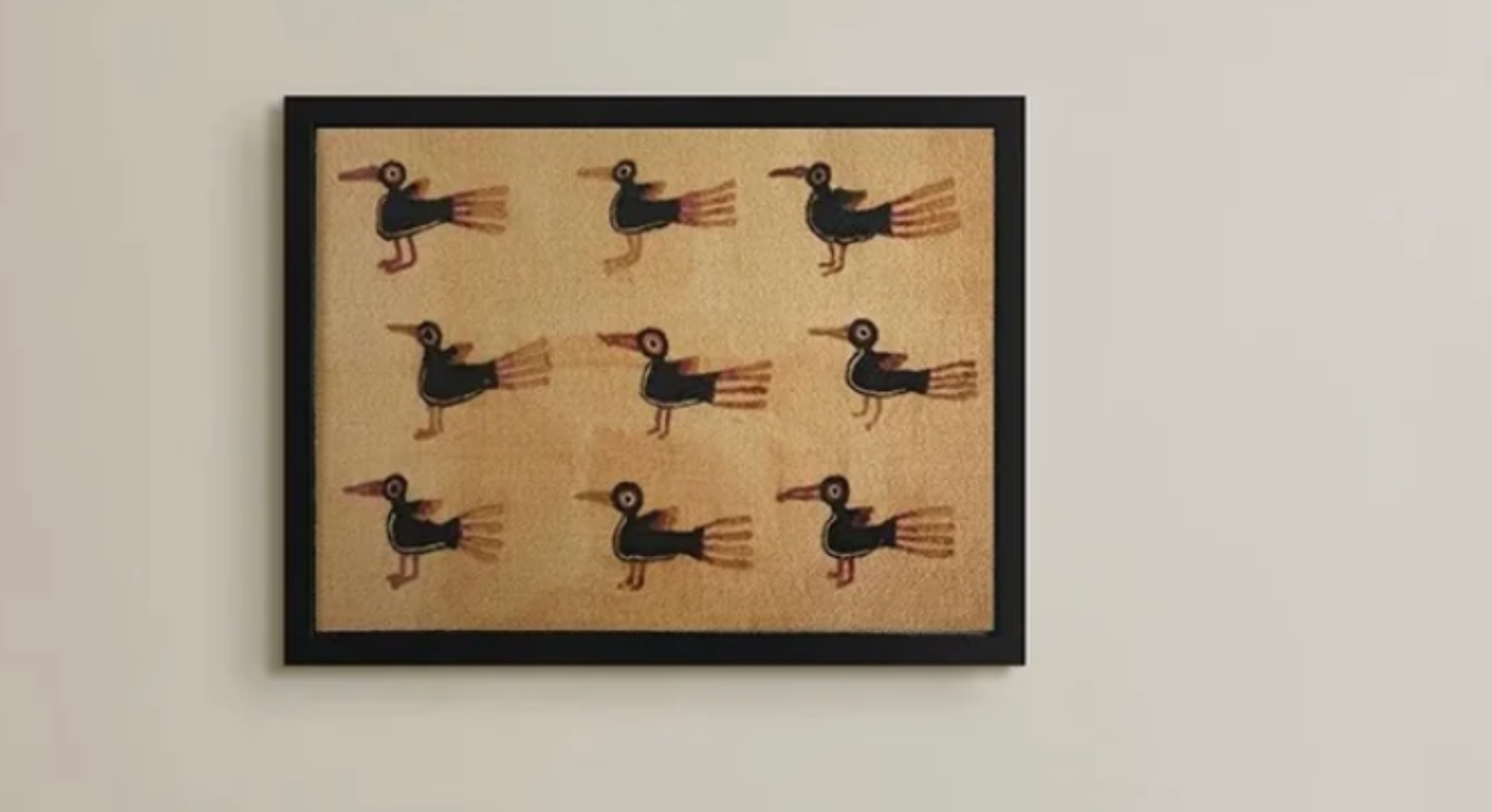
New Chinese Home Aesthetics & Interior Design
Introduction: When a Home Becomes More Than a Place
Morning sunlight filters softly through linen curtains.
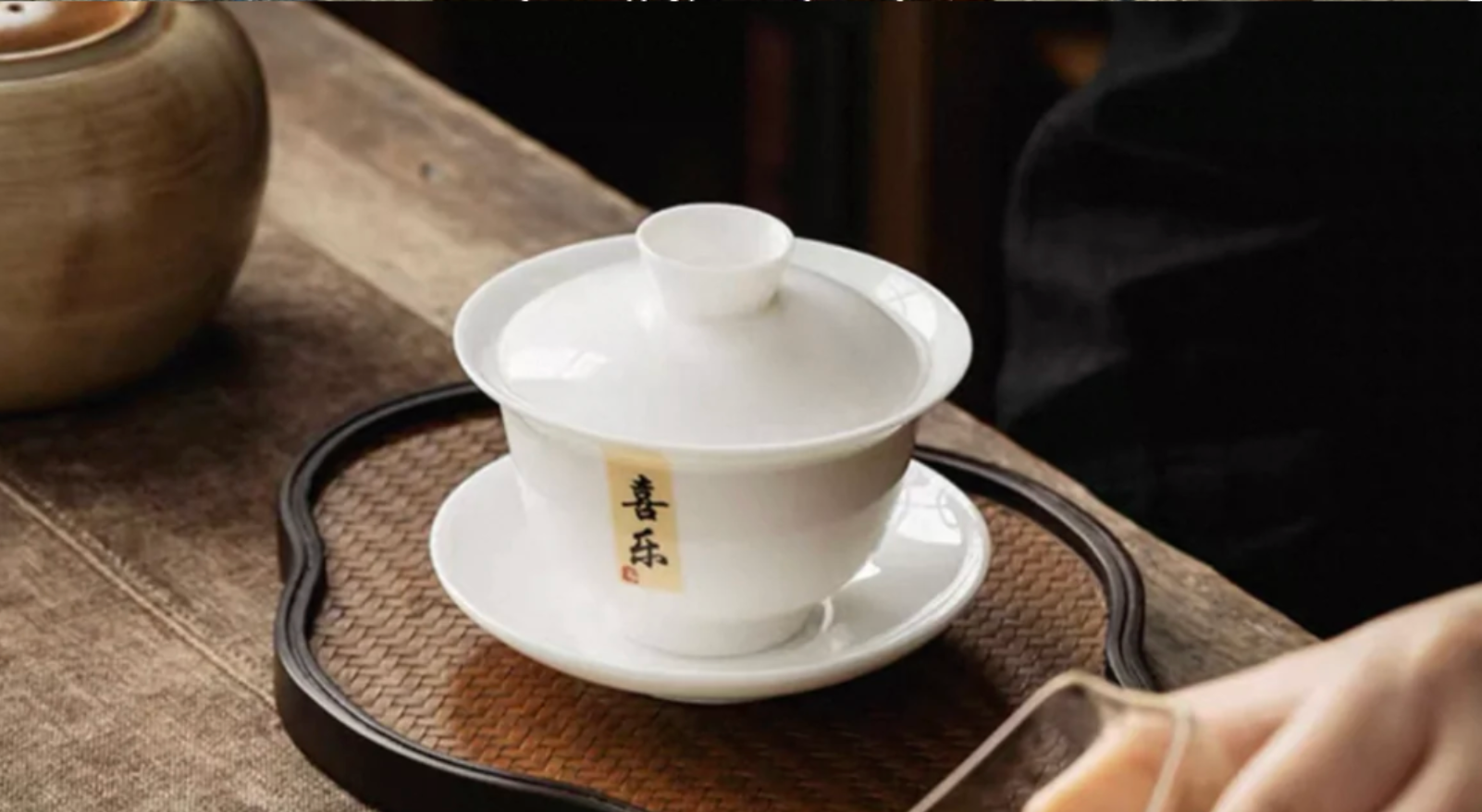
A handcrafted porcelain vase sits quietly upon a walnut console. Nearby, a celadon gaiwan catches the light as steam rises from freshly brewed tea. The scent of roasted oolong mingles with warm wood textures, natural stone surfaces, and the gentle stillness of an uncluttered room.
Nothing feels excessive.
Nothing feels accidental.
Every object has purpose.
Every detail tells a story.
This vision represents the growing appeal of New Chinese Home Aesthetics—a design philosophy that combines the wisdom of traditional Chinese culture with the needs of contemporary living.
Across Asia, Europe, North America, and beyond, homeowners are increasingly seeking spaces that feel calmer, more intentional, and more deeply connected to craftsmanship and culture. After decades of fast consumption, disposable décor, and trend-driven interiors, many people are rediscovering the value of meaningful objects, timeless materials, and everyday rituals.
New Chinese Home Aesthetics offers precisely that.
It is not merely an interior design style.
It is a way of living.
At its best, it transforms the home into a place where beauty, culture, mindfulness, and craftsmanship coexist harmoniously.
This comprehensive guide explores the origins, philosophy, design principles, tea culture, ceramics, and lifestyle values that define New Chinese Home Aesthetics—and how you can incorporate them into your own home.
What Is New Chinese Home Aesthetics?
Quick Answer
New Chinese Home Aesthetics is a contemporary design philosophy that blends traditional Chinese cultural values, craftsmanship, and artistic heritage with modern lifestyles, architecture, and interior design.
Rather than replicating historical Chinese interiors, it reinterprets them for contemporary living through simplicity, natural materials, meaningful objects, and refined cultural references.
Understanding the Concept
New Chinese Home Aesthetics emerged as a response to two opposing forces:
- The desire to preserve cultural identity
- The realities of modern living
Traditional Chinese interiors were designed for different architectural environments, social structures, and lifestyles. Modern apartments, urban homes, and contemporary living patterns require a different approach.
As a result, designers began extracting the timeless principles of Chinese aesthetics rather than copying historical forms.
Instead of recreating an imperial palace, New Chinese design asks:
- How can harmony exist within a modern apartment?
- How can craftsmanship become part of daily life?
- How can cultural heritage feel relevant today?
The result is an aesthetic language that feels both ancient and contemporary.
How Is New Chinese Style Different from Traditional Chinese Interior Design?
Quick Answer
Traditional Chinese interiors emphasize historical forms, ornate details, and classical architectural elements, while New Chinese Style focuses on simplicity, functionality, and contemporary interpretations of Chinese culture.
Traditional Chinese Design Often Features
- Elaborate carved woodwork
- Symmetrical architectural layouts
- Heavy ornamentation
- Formal reception spaces
- Historical furniture styles
- Strong decorative symbolism
New Chinese Design Emphasizes
- Clean lines
- Open spaces
- Functional living
- Natural materials
- Minimal yet meaningful decoration
- Modern furniture integrated with cultural elements
The goal is not historical replication.
The goal is cultural continuity.
Why Is New Chinese Design Becoming Popular Globally?
Quick Answer
New Chinese design is gaining worldwide popularity because it offers authenticity, craftsmanship, wellness-focused living, cultural storytelling, and a compelling alternative to generic minimalism.
The End of Generic Minimalism
For years, many homes followed a similar formula:
White walls.
Neutral furniture.
Sparse decoration.
While visually clean, these spaces often lacked emotional warmth and cultural identity.
Many homeowners now seek interiors that feel personal rather than standardized.
The Rise of Slow Living
The global slow living movement encourages:
- Mindfulness
- Presence
- Quality over quantity
- Meaningful rituals
These values align naturally with traditional Chinese concepts of intentional living.
Wellness-Oriented Homes
People increasingly view their homes as places of restoration.
Tea rituals, natural materials, handcrafted objects, and harmonious environments contribute to emotional well-being and mental clarity.
The Return of Craftsmanship
Luxury is increasingly defined not by excess but by authenticity.
Handmade ceramics.
Artisan tea ware.
Natural materials.
Objects with stories.
These elements are central to New Chinese Home Aesthetics.
The Philosophy Behind New Chinese Living
Quick Answer
The philosophy of New Chinese Home Aesthetics is rooted in harmony, balance, simplicity, nature, intention, and cultural continuity.
Harmony
Harmony is perhaps the most important principle in Chinese aesthetics.
A successful interior does not rely on dramatic statements.
Instead, every element works together.
Furniture, lighting, materials, colors, and decorative objects exist in visual and emotional balance.
Simplicity
Chinese aesthetics has long celebrated restraint.
True elegance often comes from what is omitted rather than what is added.
Nature
Traditional Chinese culture emphasizes the relationship between humans and the natural world.
Natural wood, clay, stone, bamboo, and organic textures help reconnect interior spaces with nature.
Intention
Every object should justify its presence.
A handmade tea cup.
A ceramic vase.
A scholar's brush holder.
Each contributes both function and meaning.
What Are the Core Principles of New Chinese Home Aesthetics?
Quick Answer
The core principles are natural materials, handcrafted objects, meaningful empty space, functional beauty, cultural storytelling, and connection to nature.
Natural Materials
Wood
Wood provides warmth, texture, and timeless appeal.
Popular choices include:
- Walnut
- Elm
- Ash
- Oak
- Traditional Chinese hardwoods
Clay and Ceramics
Clay introduces earthiness and tactile beauty.
Ceramics embody centuries of Chinese artistic heritage while remaining highly functional.
Stone
Natural stone creates visual grounding and permanence.
Bamboo
Bamboo symbolizes resilience, humility, and refinement.
Linen and Natural Textiles
Soft textiles add warmth without overwhelming simplicity.
Handcrafted Objects
Mass-produced objects often prioritize efficiency.
Handcrafted objects preserve humanity.
Examples include:
- Handmade tea ware
- Artisan ceramics
- Handwoven baskets
- Carved wooden trays
- Traditional-inspired decorative pieces
Their subtle imperfections create authenticity and emotional resonance.
Meaningful Empty Space
Quick Answer
Meaningful Empty Space, or "leaving blank space," is a traditional Chinese aesthetic principle that values emptiness as an active design element.
In New Chinese interiors, not every wall requires decoration.
Not every surface requires objects.
Space itself becomes part of the design.
This creates:
- Calmness
- Visual balance
- Greater appreciation of selected objects
Natural Light and Atmosphere
Natural light reveals material texture and craftsmanship.
Rather than overwhelming spaces with artificial decoration, New Chinese interiors allow light to become a design element itself.
Functional Beauty
Beautiful objects should be used.
Tea cups should hold tea.
Ceramic bowls should serve food.
Vases should welcome seasonal branches.
This integration of beauty and function distinguishes living culture from static decoration.
The Influence of Chinese Tea Culture on Home Design
Quick Answer
Chinese tea culture profoundly influences New Chinese Home Aesthetics by encouraging mindfulness, hospitality, ritual, and the creation of dedicated spaces for meaningful connection.
For centuries, tea has been more than a beverage in Chinese culture.
It represents:
- Reflection
- Hospitality
- Friendship
- Self-cultivation
Today, many New Chinese homes incorporate a tea corner, tea cabinet, or dedicated tea room.
Even a small apartment can create a meaningful tea space through thoughtful arrangement.
A simple setup may include:
- A handcrafted gaiwan
- Tea tray
- Tea cups
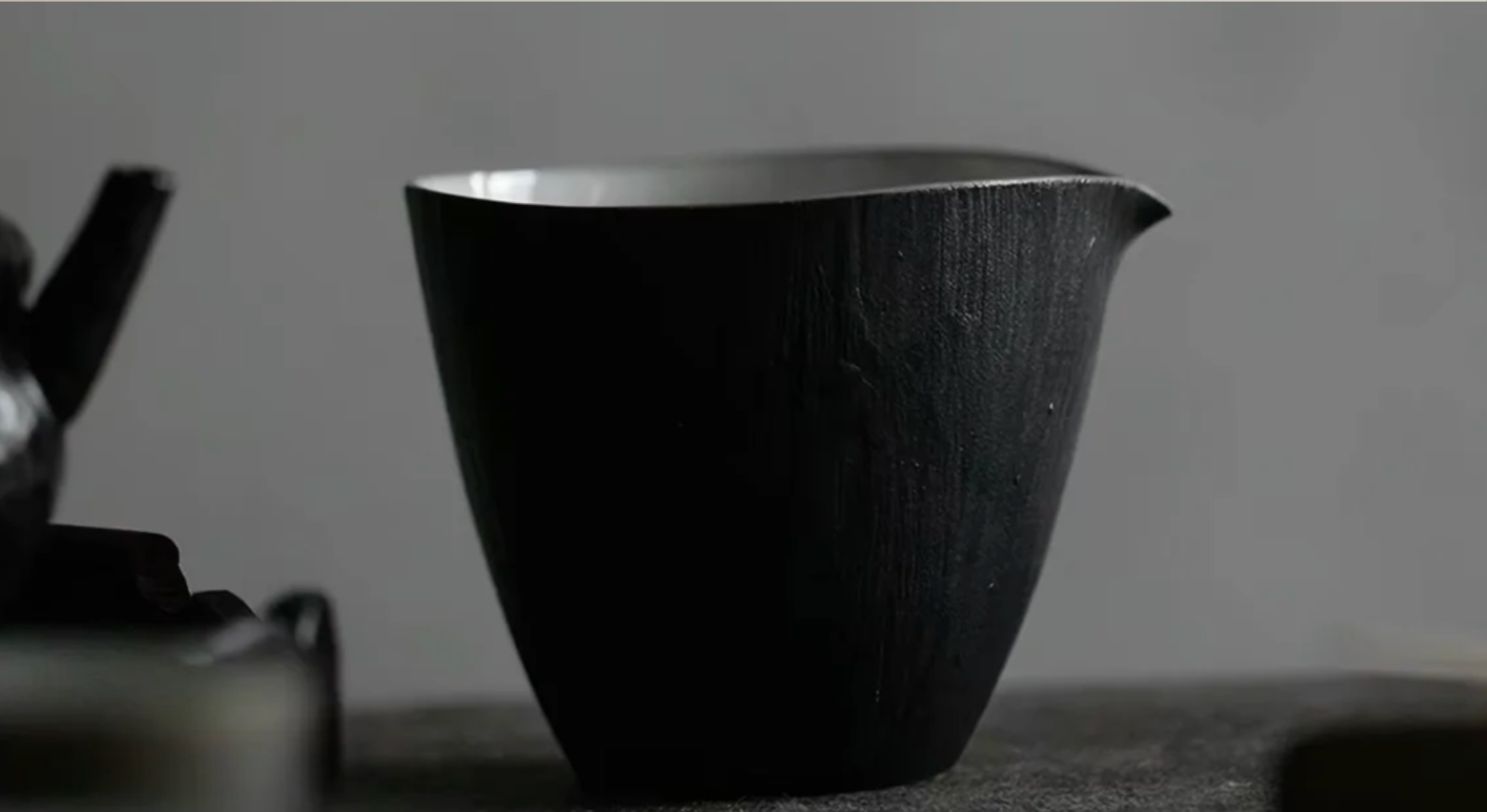
- Ceramic water vessel
- Fresh flowers or seasonal branches
The tea space becomes both a functional area and an aesthetic focal point.
Tea rituals encourage homeowners to slow down, creating moments of presence within busy modern lives.
Why Ceramics Are the Soul of New Chinese Interiors
Quick Answer
Ceramics embody the essence of New Chinese Home Aesthetics because they combine artistry, functionality, cultural heritage, and everyday usefulness.
Unlike purely decorative objects, ceramics participate in daily life.
They are touched, used, appreciated, and experienced.
Porcelain and Cultural Memory
Chinese porcelain represents one of the world's greatest artistic traditions.
For centuries, Chinese ceramics shaped global perceptions of luxury, refinement, and craftsmanship.
Today, porcelain continues to bring elegance into contemporary interiors.
Tea Ware as Functional Art
A beautifully crafted gaiwan is not merely a brewing vessel.
It becomes:
- A design object
- A cultural artifact
- A daily companion
Its beauty deepens through use.
Handmade Ceramics and Authenticity
Handmade ceramics possess subtle variations impossible to replicate industrially.
These differences make each piece unique.
They remind us that beauty often resides in individuality rather than perfection.
Oriental Artisan's Perspective
At Oriental Artisan, ceramics are viewed not simply as products but as vessels of culture, craftsmanship, and daily ritual.
Through carefully curated collections of artisan tea ware, porcelain, decorative ceramics, and handcrafted home objects, Oriental Artisan helps modern homeowners integrate authentic Chinese aesthetics into contemporary living spaces.
The most meaningful interiors are rarely built through large purchases.
They are created through thoughtful objects chosen over time.

Leave a comment
This site is protected by hCaptcha and the hCaptcha Privacy Policy and Terms of Service apply.