
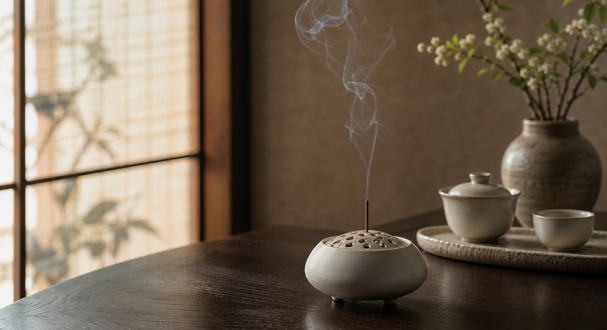
The Quiet Art of Fragrance: How Porcelain Incense Burners Bring Ritual Into the Home
A porcelain incense burner is a heat-safe ceramic vessel designed to hold incense while catching ash and shaping the atmosphere of a room. For people who want home fragrance to feel calm, intentional, and visually refined, porcelain is one of the most graceful materials to choose: it is durable, easy to clean when used correctly, and beautiful enough to remain on display between rituals.
This guide is written for readers comparing incense holders, shopping for a meaningful home fragrance gift, or building a quiet ritual corner at home. It focuses on handcrafted porcelain incense burners, especially floral and sculptural forms like the pieces in Oriental Artisan’s Ritual Burners collection.
What Is a Porcelain Incense Burner?
A porcelain incense burner is a ceramic object made to support incense sticks, cones, or fragrance materials while they burn or diffuse. Unlike a simple decorative dish, a well-designed burner considers three practical needs: stability, ash control, and heat safety.
Porcelain is a refined ceramic material fired at high temperature. In home fragrance objects, it is valued for its clean surface, sculptural potential, and ability to feel both delicate and lasting. A porcelain incense burner can be minimal and modern, floral and symbolic, or shaped as a small ritual object for tea spaces, meditation corners, shelves, bedside tables, and entry consoles.
Why Choose Porcelain for an Incense Ritual?
Porcelain is especially suitable for people who want an incense holder that feels permanent rather than disposable. It offers a balance of function and beauty: the material can withstand ordinary incense use, the surface can be wiped or brushed clean, and the form can become part of the room even when no incense is burning.
Porcelain Compared With Other Burner Materials
- Porcelain or ceramic: Best for sculptural beauty, heat resistance, and daily home display. A good choice for stick incense and many cone-style rituals when the design supports them.
- Wood: Warm and natural, but it needs careful ash management and should not be exposed to direct ember contact.
- Metal or brass: Strong and durable, often suitable for higher-heat rituals, but the surface may become hot and can develop patina over time.
- Glass: Decorative and clean-looking, but not always ideal for direct heat unless designed with proper insulation or a separate ash surface.
- Stone: Stable and heat tolerant, but heavier and usually less delicate in visual expression than porcelain.
For most home fragrance rituals using incense sticks, porcelain offers the best combination of elegance, stability, and ease of living with the object every day.
How a Porcelain Incense Burner Improves Home Fragrance
The fragrance itself comes from the incense, but the burner shapes the experience. A stable porcelain burner holds the incense at the proper angle, gives ash somewhere to fall, and creates a visual center for the ritual. This matters because home fragrance is not only scent. It is also placement, airflow, light, and the small repeated action of pausing.
For example, a floral porcelain incense holder can make the smoke appear to rise from the center of a flower. A low rounded burner can feel grounding on a tea table. A matte white porcelain surface can make the smoke more visible against a quiet interior.
How to Use a Porcelain Incense Burner Safely
Use incense with care. Burning incense creates smoke and heat, so the goal is to enjoy the ritual while keeping the room ventilated and the surface protected.
Step-by-Step Use
- Place the burner on a stable, heat-resistant surface. Ceramic, stone, metal, or a protected tray is preferable.
- Keep the burner away from drafts. Strong airflow can scatter ash and make smoke move unpredictably.
- Insert the incense securely. If using stick incense, make sure the stick fits the hole or support point and will not tip.
- Light the tip until it glows. Blow out the flame gently so the incense smolders instead of burning with an open flame.
- Let the smoke rise naturally. Keep the burner in sight while the incense is active.
- Allow the burner to cool before cleaning. Wait until the incense and ash are fully extinguished.
Safety Notes for Daily Use
- Never leave burning incense unattended.
- Keep incense away from curtains, paper, dried flowers, loose fabric, and other flammable materials.
- Use incense in a well-ventilated room, especially in small apartments or enclosed spaces.
- Keep active incense out of reach of children and pets.
- Do not place a hot burner directly on delicate wood, lacquer, textile, or painted surfaces without a protective tray.
How to Choose the Right Porcelain Incense Burner
If you are comparing porcelain incense burners online, focus on how the piece will actually be used. The most beautiful object is not always the most practical one for your incense type, room size, or cleaning routine.
1. Match the Burner to Your Incense Type
Stick incense usually needs a small hole, groove, or chamber that holds the stick securely. Cone incense needs a flat or slightly recessed heat-safe area. Passive aroma diffusers, such as unglazed porcelain flowers used with essential oils, work differently because they diffuse fragrance without flame.
Oriental Artisan’s The Blooming Soul Jingdezhen Porcelain Flower Incense Burner & Aroma Diffuser is a helpful example of a dual-function object: it is presented as both an incense holder and a natural aroma diffuser.
2. Check Ash Management
Ash is light and can travel farther than expected. Look for a design that either catches ash within the form or works well on a tray. Wide floral petals, shallow basins, or integrated chambers can help keep the ritual cleaner.
3. Consider Stability and Scale
A burner should sit flat and feel stable. If you use longer incense sticks, choose a design with enough weight and surface area to prevent tipping. Smaller pieces can be beautiful for short sticks or compact spaces, but they should still hold the incense securely.
4. Look at the Surface Finish
Matte porcelain feels soft and understated, while glossy porcelain is often easier to wipe clean. Unglazed or biscuit porcelain can also function as a passive diffuser for essential oils when the product is designed for that purpose, but it may absorb scent more readily than glazed surfaces.
5. Choose a Form You Will Leave Out
An incense burner is not a tool that disappears into a drawer after every use. It often remains visible on a shelf, altar, tea table, or bedside surface. Choose a shape that still feels meaningful when unlit.
Oriental Artisan Product Pathways to Consider
For readers browsing Oriental Artisan, these internal pathways can help match intention to object:
- Ritual Burners collection: best starting point for incense burners, aromatic objects, and quiet fragrance pieces.
- Handcrafted Magnolia Porcelain Incense Holder: a compact floral porcelain holder for those who want a small sculptural accent for stick incense.
- Handcrafted Jade Porcelain Peony Incense Holder and Ceramic Flower Diffuser: a more decorative floral piece for readers seeking a gift-like statement object.
- The Blooming Soul Jingdezhen Porcelain Flower Incense Burner & Aroma Diffuser: suited to readers interested in both incense and passive essential oil diffusion.
- The Art of the Altar: A Connoisseur’s Guide to Incense Holders and Sacred Scents: useful background reading on broader incense holder materials and ritual aesthetics.
Where to Place an Incense Burner at Home
Placement affects both safety and atmosphere. A porcelain incense burner works best in a calm location with gentle airflow and enough space around it.
Good Placement Ideas
- Tea table: Pairs naturally with slow brewing, quiet conversation, and morning routines.
- Entry console: Creates a welcoming scent ritual before guests arrive.
- Reading corner: Helps mark a transition into focus and rest.
- Meditation space: Gives the ritual a visual anchor without needing much decoration.
- Bedside table: Best only if used while awake, attended, and fully extinguished before sleep.
Avoid placing incense directly below shelves, beside open windows with strong drafts, near textiles, or anywhere it could be bumped.
How to Clean and Care for a Porcelain Incense Burner
Porcelain is durable, but handcrafted pieces should still be handled gently. Let the burner cool completely before cleaning.
Basic Cleaning
- Brush loose ash away with a soft dry brush or cloth.
- Wipe glazed porcelain with a lightly damp cloth when needed.
- Avoid scraping matte or unglazed porcelain with metal tools.
- Let porous porcelain fully dry before applying essential oils or storing it.
- Do not use harsh chemical cleaners unless the product care instructions specifically allow them.
Managing Scent Residue
If a porcelain diffuser or unglazed surface has absorbed fragrance oil, allow time and airflow before switching scents. For strong oils, use fewer drops and test on a discreet area when appropriate. If the object is designed only for incense, do not assume it can safely hold oils, resins, or charcoal.
Buying Guide: Which Porcelain Burner Is Best for You?
Best for a First Incense Ritual
Choose a stable stick incense holder with simple ash management and an easy-to-clean surface. A small floral porcelain holder can be ideal if you want beauty without a large footprint.
Best for Gifting
Choose a sculptural piece with symbolic form, such as magnolia or peony, and consider whether the recipient prefers minimal white porcelain, soft color, or a more decorative collectible object.
Best for Tea Rooms and Meditation Corners
Look for calm proportions, matte surfaces, and forms that do not visually overpower the space. The burner should support stillness, not compete with it.
Best for Essential Oil Diffusion
Only choose a porcelain piece that is explicitly described as an aroma diffuser. Porous unglazed porcelain can diffuse oils gently, but not every incense holder is designed for oil use.
Frequently Asked Questions
Are porcelain incense burners safe?
Porcelain is a heat-resistant ceramic material, but safe use depends on the design and the incense type. Always use the burner on a stable, heat-resistant surface, keep it away from flammable objects, and never leave burning incense unattended.
Can I use a porcelain incense burner with cones and sticks?
Only if the burner is designed for both. Stick incense needs secure support, while cone incense needs a flat heat-safe area. Check the product description before switching incense formats.
Is porcelain better than wood for incense holders?
Porcelain is usually better for heat resistance and long-term daily use. Wood can be beautiful, but it should not come into direct contact with embers and needs more caution around ash and heat.
Can porcelain incense burners be used as essential oil diffusers?
Some can, but only when designed for that function. Unglazed or porous porcelain may absorb and slowly release oil fragrance, while glazed pieces may not diffuse in the same way. Follow the specific product instructions.
How do I choose an incense burner as a gift?
Choose by ritual, room, and style. For a minimalist home, select a quiet matte porcelain piece. For a symbolic gift, consider floral forms such as magnolia or peony. For someone interested in both scent and decor, a dual-function incense holder and diffuser may be more useful.
How often should I clean my incense burner?
Remove loose ash after each use once the burner is cool. Wipe or brush the surface whenever residue builds up. Regular light cleaning is better than occasional harsh scrubbing, especially for matte or handcrafted porcelain.
A Quiet Object With Everyday Purpose
A porcelain incense burner is valuable because it brings together function, beauty, and repetition. It holds incense safely, gives smoke a graceful place to rise, and turns home fragrance into a small ritual of attention.
For Oriental Artisan, this is where handcrafted objects matter most: not only as decorative pieces, but as companions to daily life. A well-chosen porcelain burner can make a room feel calmer, a gift feel more personal, and an ordinary pause feel intentional.

Leave a comment
This site is protected by hCaptcha and the hCaptcha Privacy Policy and Terms of Service apply.