


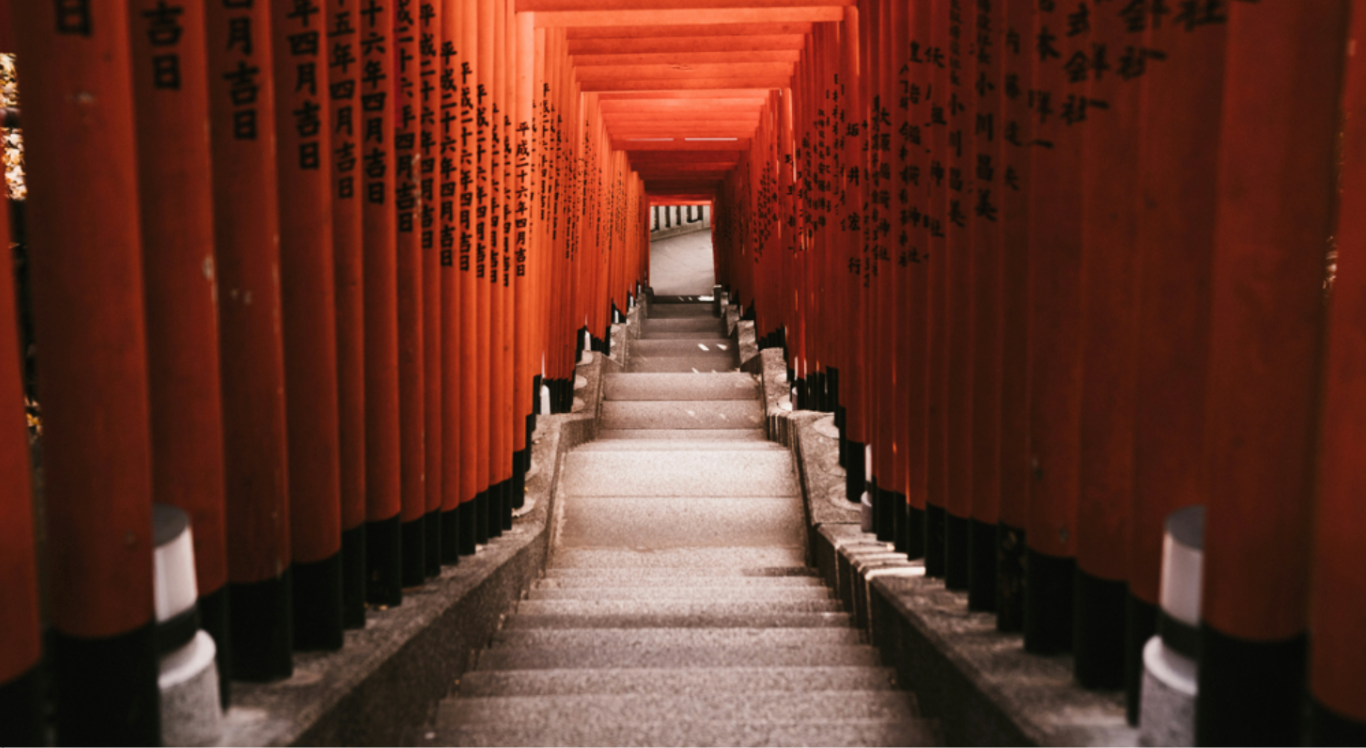
Koto Ward: The Heart of Edo Kiriko Craftsmanship
The morning light falls softly through a narrow window in a workshop barely touched by time. A gentle whir fills the air—a spinning grinding wheel, its surface dressed with diamond grit, humming beneath the hands of a master artisan. He leans into the rhythm of decades, guiding a clear crystal glass against the wheel with the precision of a calligrapher’s brush. Each facet catches the light, a tiny blaze of brilliance blossoming under his fingertips. The pattern emerging is yarai—a lattice of bamboo fencing, protective and elegant—one of Edo Kiriko’s most iconic motifs. This scene, repeated in workshops across eastern Tokyo, is the living heartbeat of Koto Ward, where Japan’s finest hand-cut crystal glassware has been made for generations.
To hold an authentic Edo Kiriko whisky glass is to hold a piece of Tokyo’s soul. The glass seems to breathe; when sunlight or amber whisky fills it, the deep cuts scatter radiance like a prismatic garden. But behind that luminous beauty lies a story concentrated in a single, remarkable district: Koto Ward. Here, master artisans, family ateliers, and the very organization that defines the craft converge, preserving a 190-year-old tradition that the world now seeks. This is the definitive guide to why Koto Ward became the home of Edo Kiriko, how these treasures are made, and what it means to own a piece of genuine Japanese cut crystal.
What Is Koto Ward?
Koto Ward (Koto-ku) is one of Tokyo’s 23 special wards, situated in the eastern part of the metropolis between the Sumida and Arakawa rivers, opening onto Tokyo Bay. Historically a landscape of waterways, reclaimed land, and bustling merchant districts, Koto has long been a cradle of shitamachi—the downtown culture of craftsmen, traders, and commoner resilience. Today, Koto Ward encompasses famous neighborhoods like Fukagawa, Kameido, Kiba, and Toyosu, each layered with heritage. Yet among its enduring identities, none shines brighter than its role as the heart of Edo Kiriko, Japan’s esteemed hand-cut crystal.
From the Edo period (1603–1868), Koto’s geography made it a natural home for craft industries. The abundant network of canals and rivers facilitated the transport of raw materials—sand for glassmaking, wood for mold-making—while the waterfront location attracted workshops needing space, water, and access to the capital’s commercial arteries. As Edo transformed into Tokyo, Koto Ward retained its artisan character. Even after the Great Kanto Earthquake of 1923 and wartime firebombings, the district rebuilt and nurtured small-scale manufacturing, with glass cutting surviving as a particularly luminous art.
Koto Ward’s key cultural attributes:
-
Deep shitamachi artisan spirit, valuing craftsmanship and community.
-
Historically a center for glass production (Edo glass) and woodworking.
-
Home to the headquarters of the Edo Kiriko Cooperative Association.
-
The ward with the greatest concentration of active Edo Kiriko workshops and master artisans.
Why Is Koto Ward the Heart of Edo Kiriko?
Ask any connoisseur where authentic Edo Kiriko is born, and the answer invariably leads to Koto Ward. Though the craft began in the bustling center of Edo (old Tokyo) in 1834, Koto Ward has become its unrivaled modern epicenter. The reasons form a constellation of history, community, and institutional preservation.
Concentration of Master Workshops
Walk the quiet backstreets of Koto’s Sumiyoshi, Kiba, or Fukagawa districts, and you’ll hear the distinctive hum of diamond wheels behind modest façades. Dozens of small, family-run ateliers operate here, many run by third- or fourth-generation kiriko-shi (cut-glass artisans). Some workshops have been in continuous operation since the Meiji era (1868–1912), passing down secrets from parent to child, master to apprentice. This density creates a living ecosystem where skill circulates, innovations are shared, and standards remain uncompromising.
The Edo Kiriko Cooperative Association
Perhaps the single most important institutional anchor is the Edo Kiriko Cooperative Association (Edo Kiriko Kyodo Kumiai), headquartered in Koto Ward. Founded in 1955, the association safeguards the integrity of the craft, certifies authentic pieces, supports training, and promotes Edo Kiriko worldwide. A glass cannot legally be called “Edo Kiriko” unless it meets strict criteria set by the association—one of which is that it is made by hand in the designated traditional production area, effectively centered in Koto and neighboring Sumida wards. The association’s presence in Koto Ward solidifies the district’s status as the governing heart of the art.
Preservation of Traditional Techniques
While machine-made imitations flood markets, Koto Ward remains a fortress of the handmade. The artisans here still employ the identical tools and techniques refined since the craft’s inception: freehand cutting on rotating wheels, using diamond or carborundum grit, relying entirely on the human eye and hand. Apprenticeships take a decade or more to achieve mastery. This commitment to authenticity makes Koto a pilgrimage destination for those seeking true Edo Kiriko.
Resilience and Relocation
Cataclysmic events reshaped Tokyo’s geography of craft. The Great Kanto Earthquake and World War II destroyed many central workshops, and survivors found refuge in the less congested, more industrial-friendly stretches of Koto Ward. The area’s availability of space and its existing glass industry infrastructure attracted these displaced artisans. Over time, they put down roots so deep that the ward is now synonymous with the craft’s highest expression.
The History of Edo Kiriko
To appreciate Koto Ward’s role, one must trace Edo Kiriko’s origins. The story begins in 1834, when a glassware merchant named Kagaya Kyubei experimented with cutting patterns into glass using techniques borrowed from foreign imports and the precision of Japanese metalworking. Working in the Odenmacho district of Edo, Kyubei succeeded in creating the first truly Japanese cut glass, blending the brilliance of Western-style crystal with motifs drawn from kimono textiles, nature, and traditional architecture.
At that time, glass was still a precious commodity in Japan, and Kyubei’s Edo Kiriko quickly became prized among the merchant class and samurai elite. Early patterns included nanako (tiny, fish-roe-like beads) and geometric designs that would later evolve into signature motifs. The craft grew modestly, but it was the Meiji Restoration (1868) that catalyzed its transformation into luxury art. The new government actively encouraged industrialization and the adoption of Western technology, including the production of high-quality lead crystal. Japanese artisans, sent abroad or learning from European glassmakers who came to Japan, absorbed cutting techniques from British and Irish crystal traditions, then infused them with an unmistakably Japanese aesthetic sensibility.
By the late 19th and early 20th centuries, Edo Kiriko had evolved into elaborate, deeply carved crystalware. It adorned the tables of high society and earned admiration at international expositions. In 1985, the Japanese government designated Edo Kiriko a Traditional Craft of Japan, affirming its cultural significance. In 2002, it received further recognition under the national Densan (Traditional Craft Products) designation, securing both its heritage and the livelihoods of its practitioners.
Throughout this evolution, Koto Ward’s workshops were the silent engine. Many of the most influential families and technical innovators were based here, and the region’s supportive network of material suppliers, toolmakers, and distribution channels kept the art alive through economic shifts and the rise of mass production. Today, when we speak of Edo Kiriko, we speak of a tradition cradled in Koto Ward.
How Edo Kiriko Is Made
An Edo Kiriko glass is never born from a mold or a computer-controlled machine. Each piece is a dialogue between the artisan and the material, a slow, unforgiving process that leaves no room for error. Understanding this process reveals the profound value behind every hand-cut crystal glass.
1. Crystal Preparation
The journey begins with flawless glass blanks, usually made from high-grade potash or lead crystal. These blanks are produced by a handful of specialized glassblowing factories, often located near Koto Ward, ensuring the raw material is free of bubbles or distortions that would ruin the final cutting.
2. Sketching the Pattern
The artisan studies the curved surface of the glass and, using a delicate brush and traditional sumi ink, sketches the pattern directly onto the crystal. Unlike a flat canvas, the three-dimensional surface demands a mental projection of how each cut will interact with light and the glass’s shape. This stage can take hours for an intricate design.
3. Precision Cutting (Grinding)
Here, the magic—and the immense difficulty—unfolds. The artisan sits before a series of rotating horizontal grinding wheels, ranging from coarse to fine. Holding the glass firmly by hand, they press it against the spinning wheel at precisely the right angle and pressure. There is no safety net; one misplaced movement, one tremor, and the piece is ruined.
Different wheels create different effects: a coarse wheel eats into the crystal to define deep grooves, while a finer wheel smooths the cuts. The iconic yarai (bamboo fence) pattern, for example, requires intersecting lines cut with geometric perfection around the entire circumference. A single highball glass can take hours to cut, and more elaborate vases or decanters can demand days.
4. Polishing
After the raw cutting, the surface is abraded and opaque. The glass is then polished on a wooden or felt wheel with a slurry of abrasive compound. This step restores brilliant transparency and brings out the sharp, mirror-like facets. Some workshops still use a final hand-polishing with cerium oxide for an unmatched luster.
5. Inspection and Hand-Finishing
Every piece is inspected under bright light. The slightest asymmetry or scratch condemns it. Given the unforgiving nature of the craft, rejection rates are high—sometimes over 50% for the most complex patterns. Only those pieces that pass this rigorous quality check earn the right to be called Edo Kiriko.
Why Every Piece Is Unique
Because each cut is guided by a human hand responding to the subtle variations in the glass blank, no two Edo Kiriko glasses are identical. Slight differences in cut depth, angle, or rhythm give each piece an individual personality—a hallmark of true craftsmanship that machines can never replicate.
Signature Edo Kiriko Patterns
Edo Kiriko’s design language is rich in symbolism, with patterns passed down through generations. Each motif requires extraordinary dexterity to execute consistently on a curved surface, and many are so complex that only a handful of living masters can produce them.
| Pattern | Meaning & Design |
|---|---|
| Yarai (矢来) | Bamboo fence lattice; symbolizes protection and strength. A grid of intersecting lines demanding absolute straightness. |
| Nanako (魚子) | Fish roe; thousands of tiny, uniform dots representing fertility and prosperity. Requires painstaking, repetitive wheelwork. |
| Hakkaku Kagome (八角籠目) | Hexagonal basket weave; a geometric honeycomb pattern conveying order and eternity. Exceptionally difficult to align on a taper. |
| Asa no Ha (麻の葉) | Hemp leaf; geometric star-shaped pattern representing growth and health, inspired by a plant that grows straight and strong. |
| Kiku (菊) | Chrysanthemum; the imperial flower, symbol of longevity and rejuvenation. Radiating petals demand flowing, confident cuts. |
| Seigaiha (青海波) | Blue ocean waves; layered concentric arches signifying peace and good fortune. A hypnotic pattern requiring rhythmic precision. |
| Tsuru Kame (鶴亀) | Crane and turtle; auspicious emblems of long life. Often paired with other motifs on celebratory pieces. |
Each pattern tells a story and carries wishes for the user. When rendered in crystal, these traditional motifs transform light into a dance of meaning and brilliance.
The Artisans of Koto Ward
The true soul of Koto Ward’s Edo Kiriko resides in its people. Step into a family-run workshop and you’ll often find a master in his 70s working alongside a son or daughter who began polishing glass as a teenager. In another corner, a young apprentice, perhaps one of only a handful accepted that decade, practices a single cut hundreds of times until muscle memory replaces conscious thought.
Apprenticeship and Mastery
The path to becoming a recognized kiriko-shi is long and demanding. Apprentices spend years learning to sharpen tools, prepare wheels, and observe the master’s rhythm before they are allowed to touch a blank. Even simple patterns require two to three years of daily practice. Mastery of the most intricate designs can take 15 years or more. This system ensures that no skill is diluted.
Family Lineages
Many Koto Ward workshops are run by families with names that have become synonymous with Edo Kiriko’s highest standards. The knowledge of glass composition, wheel dressing, and pattern geometry passes silently, from hand to hand, in spaces that often feel more like sanctuaries than factories. This lineage fosters an almost spiritual relationship with the craft.
Women in Edo Kiriko
While historically a male-dominated field, Koto Ward has seen a quiet revolution. A growing number of female artisans now run their own studios or work within established ateliers, bringing fresh design perspectives while honoring traditional technique. Their influence is expanding the aesthetic boundaries of Edo Kiriko, introducing delicate pastel-toned crystal and softer, organic motifs.
Community of Excellence
The density of workshops creates a unique micro-culture. Artisans meet through the Cooperative Association, share technical challenges, and collectively protect the brand against counterfeits. This community ensures that even in the 21st century, Koto Ward remains a place where the impossible geometry of a yarai glass is executed with the same reverence as it was a hundred years ago.
Why Collectors Value Koto Ward Edo Kiriko
For the discerning collector, an Edo Kiriko glass from Koto Ward is far more than a drinking vessel. It represents the convergence of history, hand-skill, and cultural authenticity.
Authenticity and Provenance
A piece that carries the Edo Kiriko Cooperative Association’s sticker or certificate is a guarantee that it was handmade in the traditional production area. Knowing it came from a Koto Ward workshop adds the ultimate assurance of lineage—a direct link to the craft’s beating heart.
Rarity and Hand-Craftsmanship
Because production is slow and artisans are few, authentic Edo Kiriko is inherently scarce. A master might produce only a handful of complex glasses per week. Collectors prize this scarcity, viewing each acquisition as an investment in a dying art form that, thanks to Koto Ward, refuses to die.
Functional Art and Everyday Luxury
Edo Kiriko elevates the simple act of drinking. A hand-cut Japanese whisky glass transforms a single malt into a multisensory experience: the weight of the crystal, the sparkle of the cuts, the way the amber liquid catches the patterns. For many, owning a piece from Koto Ward is a daily ritual of beauty and mindfulness.
Investment and Heirloom Value
Edo Kiriko pieces, especially those by recognized masters, appreciate over time and become cherished heirlooms. Unlike mass-produced luxury, these glasses carry the maker’s spirit, gaining story and sentimental value with each generation.
Meaningful Gifting
With its auspicious patterns and handcrafted soul, Edo Kiriko is a gift of profound intention—presented for weddings, milestone birthdays, or corporate honors. The cultural weight of a Koto Ward piece speaks a language of respect and lasting value.
How to Identify Authentic Edo Kiriko
Counterfeit “Edo Kiriko” made by machine pressing or overseas production has flooded some markets. Collectors can protect themselves by knowing what to look for.
Check for the Cooperative Association Seal
Authentic pieces from member workshops often bear a sticker or certificate from the Edo Kiriko Cooperative Association. This is the single most reliable sign of genuineness.
Examine the Cutting Quality
Look at the cuts under magnification or strong light. Hand-cut crystal shows tiny, uniform chatter marks from the grinding wheel, and facet edges are sharp and crisp, not rounded or melted. Hold the glass to the light: the facets should flash brilliantly. Pressed glass exhibits mold lines and dull, softened edges.
Feel the Weight and Sound
High-grade crystal has a substantial heft and, when lightly tapped, rings with a clear, sustained note. Thinner, soda-lime glass imitations feel lightweight and produce a dull thud.
Look for the Subtle Imperfections of Handwork
An authentic Edo Kiriko glass is never mechanically perfect. Slight variations in cut spacing, depth, or pattern alignment are the telltale signatures of a human hand and are celebrated, not flaws.
Buy from Trusted Sources
Purchase from retailers that work directly with Koto Ward artisans and can speak knowledgeably about workshop provenance. Oriental Artisan, for example, partners with these master craftspeople to offer a curated selection backed by genuine provenance.
Frequently Asked Questions
What is Edo Kiriko?
Edo Kiriko is a traditional Japanese craft of hand-cutting intricate patterns into crystal glassware, originating in Edo (now Tokyo) in 1834. It is recognized as a Traditional Craft of Japan and is primarily produced in Koto and Sumida wards.
Why is Koto Ward famous for Edo Kiriko?
Koto Ward is home to the Edo Kiriko Cooperative Association and the highest concentration of master workshops, making it the administrative and spiritual heart of the craft. Most authentic Edo Kiriko is cut here by multi-generational artisan families.
Where is Edo Kiriko made?
Edo Kiriko is produced almost exclusively in a designated traditional production area in eastern Tokyo, centered on Koto Ward and neighboring Sumida Ward, with the majority of ateliers located in Koto.
What is Koto Ward known for besides Edo Kiriko?
Koto Ward is also known for its shitamachi culture, Kiba woodworking heritage, the historic Fukagawa district, Kameido Tenjin Shrine, and modern waterfront developments like Toyosu. However, its fame in the craft world rests squarely on its Edo Kiriko.
Is Edo Kiriko still handmade?
Yes, authentic Edo Kiriko is entirely handmade. Artisans use foot- or motor-powered grinding wheels to cut each piece by hand, a process that remains unchanged in its essentials since the 19th century.
How is Edo Kiriko made?
A blank crystal glass is first sketched with the pattern, then cut against rotating diamond wheels. Multiple grinding and polishing stages follow, with each piece inspected to meet strict quality standards. Every cut is guided by the artisan’s eye and hand.
What is the Edo Kiriko Cooperative Association?
Founded in 1955 and based in Koto Ward, the association is the official body that certifies authentic Edo Kiriko, sets technical standards, supports training, and promotes the craft. Its stamp is the guarantee of true Edo Kiriko.
Why is Edo Kiriko expensive?
Prices reflect the intensive time, extreme skill, high rejection rate (often over 50% for complex patterns), and the use of premium crystal. A single glass can take hours to days to complete, and the number of living masters is small.
Where can I buy authentic Edo Kiriko?
Authentic pieces can be purchased from specialty retailers, museum shops in Tokyo, and trusted online platforms that source directly from Koto Ward workshops, such as Oriental Artisan, which works with master artisans to ensure provenance.
How long does it take to become an Edo Kiriko artisan?
An apprentice typically needs 3–5 years to handle basic patterns, and 10–15 years to achieve mastery of the most complex designs. The path demands patience, dedication, and a lifelong commitment to refinement.
What are the most famous Edo Kiriko patterns?
The most celebrated patterns include yarai (bamboo fence), nanako (fish roe), hakkaku kagome (hexagonal weave), asa no ha (hemp leaf), and kiku (chrysanthemum). Each carries deep symbolic meaning.
Can you visit Edo Kiriko workshops in Koto Ward?
Some workshops in Koto Ward offer guided visits or demonstrations by appointment. These experiences provide a rare glimpse into the living tradition, though access is often limited due to the fragile and focused nature of the work.
What’s the difference between Edo Kiriko and Satsuma Kiriko?
Edo Kiriko is Tokyo’s tradition, characterized by clear crystal and precise geometric patterns. Satsuma Kiriko originated in Kagoshima and is known for colored overlay glass (iro-kiriko). Today, both are highly valued but are distinct regional arts.
Is Edo Kiriko glassware suitable for daily use?
Yes. While it feels luxurious, authentic Edo Kiriko is made from durable crystal and can be used daily with proper care. Hand washing is recommended to preserve the brilliance of the cuts.
How should I care for Edo Kiriko glasses?
Wash by hand with mild detergent and a soft sponge. Avoid dishwashers, abrasive cleaners, and extreme temperature changes. Dry with a lint-free cloth to prevent water spots and maintain the crystal’s sparkle.
Koto Ward: A Living Legacy in Crystal
As the sun sets over the waterways of Koto Ward, the workshops fall quiet. A master removes his apron, surveying the glasses laid out on a wooden tray—each a small galaxy of captured light. Tomorrow, the wheels will spin again, and another apprentice will take a seat at the grinding stone, continuing a lineage that began almost two centuries ago. In a world of disposable goods and digital replication, Koto Ward stands as a testament to the enduring power of the human hand and the beauty of things made slowly, with profound care.
Owning an authentic Edo Kiriko glass is not simply about possessing a beautiful object. It is about holding a piece of Koto Ward’s soul, a fragment of Tokyo’s artisan history, and the silent promise of a master who dedicated a lifetime to a single, shimmering cut. For those who wish to bring this legacy into their own lives—whether to elevate a quiet evening dram or to offer a gift of true meaning—Oriental Artisan invites you to explore a curated collection sourced directly from the master workshops of Koto Ward. Here, tradition, artistry, and authenticity converge in every hand-cut crystal piece, ready to be cherished for generations.

Leave a comment
This site is protected by hCaptcha and the hCaptcha Privacy Policy and Terms of Service apply.