
The Connoisseur’s Guide to Japan’s Famous Ceramic Kilns: History, Artistry, and Collecting
The history of Japanese ceramics, or Yakimono, is a narrative written in earth, fire, and the persistent spirit of the artisan. For the collector and the enthusiast, these pieces are not merely functional vessels; they are tangible intersections of philosophy, geography, and centuries of technical refinement. To hold a handcrafted Japanese tea cup is to touch the very soil of a specific region, transformed by the unpredictable alchemy of a wood-fired kiln. This guide serves as an exhaustive exploration of Japan’s most prestigious ceramic traditions, designed to navigate the nuanced world of the Six Ancient Kilns, the prolific innovations of Mino, and the refined luxury of Arita porcelain. Whether one seeks the rustic warmth of stoneware or the translucent elegance of "white gold," understanding the provenance of these works is the first step in building a meaningful collection of authentic Japanese drinkware.
The Spiritual and Cultural Significance of Yakimono
At the core of Japanese ceramic appreciation lies the aesthetic philosophy of wabi-sabi, a worldview centered on the acceptance of transience and imperfection. This concept, deeply rooted in Zen Buddhism, gained cultural prominence during the 15th and 16th centuries through the formalization of the tea ceremony, or Chanoyu. Early tea practitioners, such as Murata Juko and later Sen no Rikyu, moved away from the ostentatious displays of perfect, brightly colored Chinese ceramics in favor of domestic wares that exhibited a "quiet simplicity" (wabi) and a "rugged agedness" (sabi).
A Japanese kiln is traditionally viewed as a living entity, a collaborator that introduces an element of chance into the creative process. Unlike modern industrial production where consistency is the primary goal, traditional Japanese artisans embrace the unpredictability of the kiln—a phenomenon known as yohen. The path of the flames, the settling of wood ash, and the specific chemical reactions between minerals in the clay and the atmosphere of the kiln result in unique patterns and textures that cannot be replicated. For the tea master, a bowl that exhibits a "scorch" or a "glaze run" is not considered defective; rather, it is celebrated as a unique manifestation of a singular moment in time. This reverence for the "perfectly imperfect" extends to the practice of Kintsugi, where broken ceramics are repaired with lacquer mixed with powdered gold, highlighting the history of the object rather than concealing its fractures.
Historical Progression of Japanese Ceramics
To appreciate the diversity of modern Japanese pottery, one must understand the geological and political factors that shaped its evolution. The journey began in the prehistoric Jomon period, noted for its cord-marked earthenware, and transitioned into the production of Sue ware, an unglazed stoneware technique introduced from the Korean Peninsula during the 5th century.
| Historical Era | Period | Key Developments in Ceramics |
| Kofun | 300 – 538 AD | Introduction of Sue ware techniques; first high-fire kilns. |
| Heian | 794 – 1185 AD | Establishment of early Seto and Tokoname kilns; influence of Chinese glazes. |
| Kamakura | 1185 – 1333 AD | Expansion of the Six Ancient Kilns; growth of utilitarian stoneware. |
| Muromachi | 1333 – 1573 AD | Rise of the tea ceremony; reinterpretation of everyday vessels as art. |
| Momoyama | 1573 – 1603 AD | Golden age of tea ceramics; birth of Mino styles like Oribe and Shino. |
| Edo | 1603 – 1867 AD | Discovery of kaolin in Arita; birth of Japanese porcelain; development of regional styles. |
| Meiji | 1868 – 1912 AD | Modernization and industrialization; decline of some traditional kilns. |
The designation of the "Six Ancient Kilns" (Nihon Rokkoyo) serves as a testament to the regions that have maintained a continuous lineage of production since the medieval period. These sites—Bizen, Shigaraki, Seto, Echizen, Tanba, and Tokoname—were the backbone of Japan's domestic pottery industry, utilizing purely Japanese techniques long before the 17th-century porcelain revolution.
Deep Dive: The Six Ancient Kilns
Each of the ancient kilns developed a distinct personality, often dictated by the specific qualities of the local clay and the fuel available for firing.
Bizen-yaki: The Art of Red Pine and Bare Earth
Bizen ware, originating from the Imbe district of Okayama Prefecture, is perhaps the most famous unglazed ceramic in the world. Its beauty is derived entirely from the interaction between the high-iron clay and the intense heat of the wood-fired kiln. Bizen potters traditionally use red pine as fuel, which is prized for its ability to produce high temperatures and a specific type of ash that interacts chemically with the minerals in the clay.
The firing process for Bizen is an endurance test for both the artisan and the vessel, often lasting up to 14 days. Because no glaze is applied, the surface patterns are created by the movement of flame and ash. Connoisseurs look for specific "kiln effects" that define a high-quality Bizen piece:
-
Hidasuki (Fire Cords): Striking red or orange streaks created by wrapping straw around the vessel before firing. The straw reacts with the clay's iron content, leaving behind vibrant marks where the straw burned away.
-
Goma (Sesame Ash): Natural ash from the wood fire that settles on the shoulder of the piece, melting into a speckled, greenish-yellow glaze that resembles sesame seeds.
-
Sangiri: A grey or blue-black metallic finish that occurs when a piece is partially buried in ash, creating a localized reduction atmosphere during the firing.
For the drinker, Bizen-yaki offers more than just visual appeal. The unglazed surface has a microscopic roughness that provides nucleation points for beer foam, resulting in a thick, creamy head that preserves the beverage's aroma and temperature. When used for sake or water, the high iron content and porous nature of Bizen clay are believed to soften the flavor, neutralizing harshness and providing a "mellow" drinking experience. Collectors of authentic Japanese tea cups often favor Bizen for its "grounding" energy and its ability to develop a deep, lustrous patina over years of use—a transformation known as yohen no bi.
Shigaraki-yaki: The Texture of the Earth
Shigaraki, located in Shiga Prefecture, produces a pottery that is celebrated for its "warmth" and "closeness to the earth". The clay used in Shigaraki is sourced from ancient lakebed deposits near Lake Biwa, which are naturally rich in quartz and large chunks of feldspar. When fired in a wood-burning kiln, these feldspar particles melt and expand, occasionally bursting through the surface to create "stone explosions" (ishihaze).
The aesthetic of Shigaraki is dominated by the interaction of fire and soil. While the clay is naturally white, the minerals react with the fire to create a "rusty glow" and warm, reddish-orange tones. Wood ash frequently melts into a glassy, greenish glaze, contrasting beautifully with the rough, sandy texture of the unglazed portions. During the Momoyama period, these qualities made Shigaraki ware a favorite of tea masters like Sen no Rikyu, who saw in its rugged surface the very essence of wabi-sabi.
Today, Shigaraki remains a vital center for tea utensils, but its functional benefits extend to daily life. The coarse clay provides excellent heat retention and a secure grip, making Shigaraki tea bowls particularly well-suited for the tactile ritual of whisking matcha. For the modern buyer, Shigaraki offers a timeless, unpretentious elegance that feels both ancient and contemporary.
Seto-yaki: The Pioneer of Glazed Ware
Seto ware, from Aichi Prefecture, holds a unique place among the ancient kilns as the only one that focused heavily on glazed production from its early history. Seto artisans were pioneers in adapting Chinese ceramic technology, introducing ash, iron, and feldspar glazes to Japan. So pervasive was Seto’s influence that the term setomono remains the standard Japanese word for all pottery and porcelain.
Seto ware is characterized by its incredible variety. From the elegant, cobalt-blue Sometsuke (underglaze painting) to the rustic, earthy Akazu ware, Seto has always been a hub of stylistic adaptation. Connoisseurs of teaware particularly value the seven traditional glazes and twelve decoration techniques of Akazu ware, which blend hand-crafted elegance with a deep respect for natural materials.
Recent scientific research from the Nagoya Institute of Technology has added a new layer of depth to the appreciation of Seto ware. A study revealed that specific Seto glazes—such as Oribe, Namako, and Irabo—interact with the catechins in green tea, altering the chemical composition, color, and flavor of the beverage. The metal oxides in these glazes (such as copper, cobalt, and iron) can act as catalysts, potentially transforming the sensory profile of the tea. This indicates that the choice of a Seto vessel is not merely an aesthetic decision but a functional one that can heighten or modify the health benefits and taste of the tea being served.
Tokoname-yaki: The Science of the Perfect Pour
Tokoname, also located in Aichi Prefecture, was historically the largest of the Six Ancient Kilns, taking advantage of its coastal location for mass distribution via sea routes. While it produced a wide range of utilitarian vessels, Tokoname is now world-renowned for its Kyusu—the classic side-handled Japanese teapot.
The hallmark of Tokoname is its shudei (red clay), which is exceptionally fine-grained and rich in iron. The story of the modern Tokoname teapot began in the 19th century through a collaboration between the potter Sugie Jyumon and a doctor named Hirano Chuji. They recognized that the iron-rich, unglazed surface of Tokoname clay could chemically react with the tannins in green tea, effectively neutralizing bitterness and enhancing the tea's natural umami sweetness.
| Feature of Tokoname Kyusu | Functional Benefit to the Drinker |
| High Iron Content | Mellows tea tannins, reducing astringency and sweetening the flavor. |
| Porous, Unglazed Surface | Absorbs and integrates the tea's fragrance, creating a deeper aroma over time. |
| Ergonomic Side Handle | Allows for precise, one-handed control over the pour, essential for delicate teas. |
| Built-in Ceramic Filter | Enables the tea leaves to expand fully for a better steep without needing a metal strainer. |
For collectors, a Tokoname teapot is considered "alive." Over years of use, the unglazed clay develops a unique patina and absorbs the character of the tea brewed within it, making it a highly personal tool for the serious tea enthusiast.
Echizen and Tanba: Enduring Stoneware
Echizen ware, from Fukui Prefecture, and Tanba ware, from Hyogo Prefecture, represent the utilitarian roots of Japanese stoneware. Both regions were historically centers for the production of large storage jars for water, grain, and sake, prized for their durability and high water resistance.
Echizen ware is notable for its simple, unadorned texture and deep reddish-brown color, which comes from the high iron content of the local clay. Because it is fired at temperatures exceeding $1,300^\circ\text{C}$, Echizen ware is exceptionally dense—an earthenware form that sits between pottery and porcelain, often referred to as yakishime. This density makes it an ideal choice for sake carafes (tokkuri) and daily drinkware that can withstand heavy use while maintaining a rustic, traditional aesthetic.
Tanba ware is famous for its distinctive "creeping kiln" (jagama or snake kiln) technology and its use of natural ash glazes. A signature technique of Tanba is shinogi—hand-carving rhythmic ridges into the exterior of a vessel. These ridges not only create a beautiful interplay of light and shadow but also provide a textured, slip-resistant grip. Modern Tanba artisans continue to produce vessels that are "user-oriented," balancing ancient techniques with contemporary designs that appeal to the modern collector.
Mino-yaki vs. Arita-yaki: The Great Divide
Beyond the ancient kilns, two other regions dominate the Japanese ceramic landscape: Mino and Arita. Understanding the fundamental differences between these two is essential for any connoisseur.
Mino-yaki: The Powerhouse of Diversity
Mino ware, produced in Gifu Prefecture, is a juggernaut of production, accounting for approximately 50-60% of all Japanese ceramics today. However, its significance is not just in volume but in its historical role as a center for avant-garde tea ceramics. Unlike the ancient kilns, which often adhered to a singular regional style, Mino is defined by its extreme diversity.
During the Momoyama period, the revolutionary tea master Furuta Oribe championed a style that was "quirky" and "humorous," leading to the birth of several iconic Mino variations:
-
Shino-yaki: Japan’s first white-glazed pottery, noted for its thick feldspar glaze and fine "crazing" or crackle patterns.
-
Oribe-yaki: Famous for its vivid green copper glaze, asymmetrical forms, and bold, iron-oxide paintings of nature or geometric patterns.
-
Ki-Seto: A soft yellow-glazed ware, often thin and delicate, used for high-end kaiseki dining.
-
Seto-Guro: A "pull-out black" technique where a vessel is removed from the kiln while glowing hot and rapidly cooled, resulting in a deep, lustrous black finish.
For the buyer, Mino-yaki represents the spirit of artistic experimentation. Its pieces often feel tactile and expressive, making them perfect for those who want their dinnerware to tell a story of creative risk and individuality.
Arita-yaki: The Elegance of Porcelain
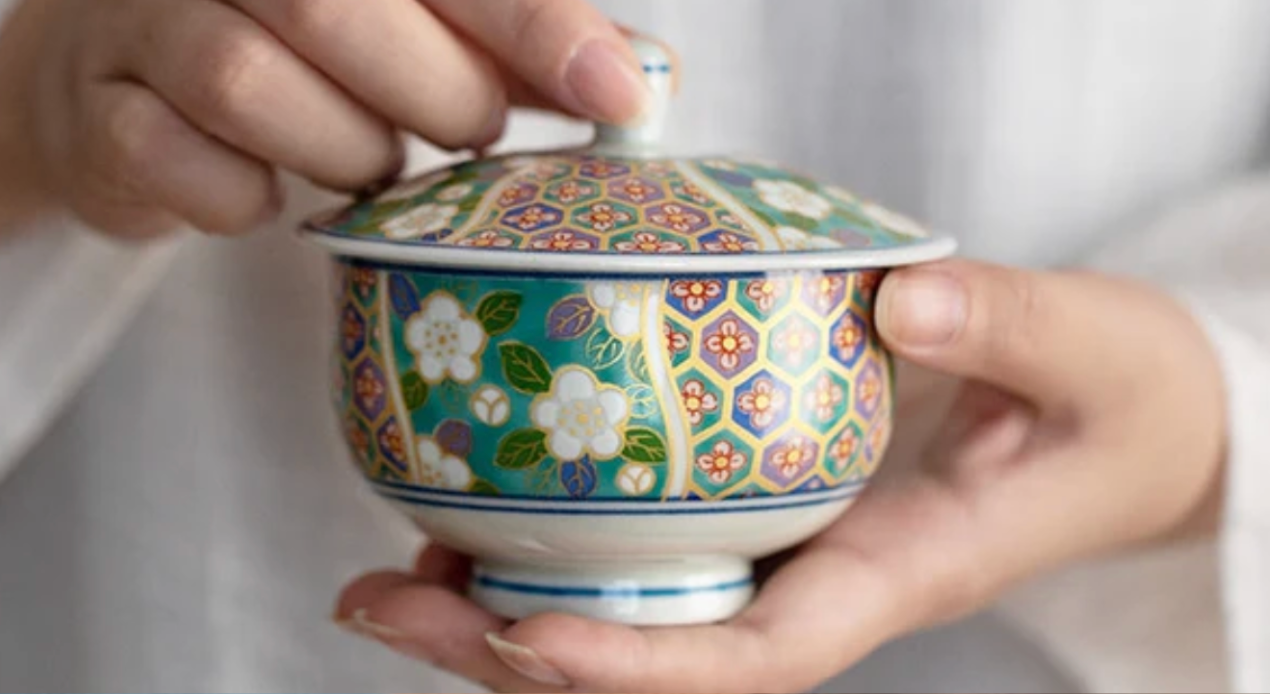
While the other kilns mentioned are primarily focused on pottery or stoneware, Arita-yaki (Saga Prefecture) is the definitive master of Japanese porcelain. Established in the early 17th century after the discovery of kaolin (porcelain stone), Arita became the site of Japan's first "white gold".
Arita porcelain is thin, light, and remarkably strong. It is characterized by its bright white body and intricate overglaze decorations. Major stylistic schools of Arita/Imari include:
-
Ko-Imari: Ornate pieces, often with blue and red designs, produced for both domestic use and export to Europe.
-
Kakiemon: A delicate, balanced aesthetic featuring bright overglaze paintings on a milky white base (nigoshide). This style was so influential that it was imitated by European porcelain giants like Meissen.
-
Nabeshima: Highly refined porcelain made exclusively for feudal lords, featuring precise, elegant motifs of the seasons and traditional patterns.
For the collector, Arita-yaki is the pinnacle of luxury and technical precision. Its non-porous surface is ideal for preserving the delicate aromatics of high-grade sake or light teas like Gyokuro, where any interaction with the vessel might obscure the drink's nuance.
The Connoisseur’s Buyer’s Lens: Sensory Experience and Selection
Selecting the right Japanese vessel requires an understanding of how the material affects the five senses: sight, sound, smell, touch, and taste.
Choosing the Right Tea Cup (Yunomi and Chawan)
Daily tea drinking typically involves a Yunomi—a tall, straight-sided cup designed to retain heat. A pottery Yunomi from Bizen or Shigaraki is excellent for hot teas like Hojicha, as its insulating properties keep the tea warm while the unglazed surface is comfortable to hold with both hands. For formal matcha preparation, a wide-rimmed Chawan is necessary to allow the bamboo whisk to move freely.
In contrast, guest-serving teacups, or Kumidashi, are often shorter and wider. Porcelain Kumidashi from Arita or Hasami are preferred for guests because their thin rims allow for smooth sipping and their white interiors beautifully showcase the vivid green of a premium Sencha.
The Sound of Quality
The sound of a vessel can also indicate its quality. The finest porcelain makes a subtle, high-pitched "melody" when stacked or tapped, while stoneware produces a deeper, more resonant thud that reflects its earthy density.
Sake and Beer Vessels
When selecting a sake cup (Guinomi), consider the rim. A cup with a curved or tapered rim can enhance the aroma of the sake, while a straight-sided cup maintains the temperature longer. For beer, the unglazed texture of Bizen is unparalleled, as it preserves the foam and keeps the beverage cold.
| Beverage | Recommended Kiln Style | Reason for Selection |
| Matcha | Shigaraki or Raku | Rough texture for whisking; wabi-sabi aesthetic. |
| Premium Sake | Arita (Porcelain) | Non-porous; preserves delicate floral aromatics. |
| Draft Beer | Bizen (Unglazed) | Micro-texture creates superior foam; keeps liquid cold. |
| Daily Green Tea | Tokoname (Kyusu) | Iron-rich clay sweetens flavor and removes bitterness. |
| Hot Roasted Tea | Echizen or Tanba | Thick-walled stoneware provides excellent heat retention. |
Collecting and Authentication: A Master’s Guide
For the serious collector, identifying authentic pieces is a skill developed through years of handling and study.
Signatures and Marks
Japanese ceramics rarely use the "reign marks" common in Chinese pottery. Instead, they feature the artist's signature (Kao) or an impressed seal (Inkan).
-
Inkan (Impressed Seal): Often found on the base, these stamps indicate the potter's family name or art name. An impressed seal often suggests a studio practice.
-
Kao (Painted Signature): Typically written in underglaze blue, iron red, or gold, these point to a direct, personal touch from the artist. Look for characters like 作 (saku) or 造 (zo), both meaning "made by".
-
Nippon Marks: Teacups marked "Nippon" or "Made in Nippon" were produced for the US export market between 1891 and 1921. While these are valuable antiques, they were made for a Western palate and differ from traditional domestic wares.
Authentication Tips
-
Examine the Base: Authentic pieces will show natural signs of age and dirt at the base where they have stood for years. Unlike artificial distressing, genuine dirt can usually be wiped off.
-
Translucency: For Arita or Kakiemon porcelain, holding the piece to a light source should reveal its translucency—a hallmark of high-quality kaolin.
-
Check the Wear: The wear on an artist's signature should match the overall wear of the piece. A pristine signature on a heavily worn bowl is a significant red flag for collectors.
-
Embrace Asymmetry: In handmade ceramics, perfect symmetry is rare. Slight variations in glaze flow, rim height, and texture are the fingerprints of the artisan and the kiln.
Care and Maintenance of Your Collection
Proper maintenance ensures that your Yakimono remains a treasured heirloom for generations.
-
Seasoning: Before first use, some potters recommend soaking stoneware in water for several hours to close the pores and prevent staining.
-
Avoid Detergents: For unglazed or porous wares like Bizen and Hagi, avoid using harsh dish soaps, as the clay can absorb the scent and alter the flavor of future drinks. Warm water and a soft cloth are usually sufficient.
-
Drying: Ensure pieces are completely dry before storing them in a wooden box (tomobako) to prevent mold or odors.
-
No Microwave/Oven: While some modern pieces are microwave-safe, traditional wood-fired ceramics can crack due to rapid thermal expansion. Always avoid open flames and ovens.
Frequently Asked Questions
What is the difference between pottery and porcelain?
Pottery (stoneware and earthenware) is made from clay and fired at lower temperatures, resulting in a porous, opaque material. Porcelain is made from ground stone (kaolin), fired at very high temperatures, and is non-porous, hard, and translucent.
How can I tell if a Japanese tea cup is handmade?
Look for "irregularities" such as finger marks near the base, variations in glaze thickness, and a slightly asymmetrical shape. Handmade pieces often have a "kiln stamp" or artist's mark on the bottom or side.
Why is Tokoname red clay so famous for green tea?
The high iron content in Tokoname's shudei clay reacts with the tea's tannins to reduce bitterness and astringency, making the green tea taste smoother and sweeter.
What are the "Seven Transformations" of Hagi ware?
Known as nanabake, this refers to how the color and texture of Hagi-yaki change over time as tea tannins seep into the fine cracks in the glaze, creating a deeper, more seasoned look that is highly prized by collectors.
Where is the best place to source authentic Japanese ceramics?
For collectors who cannot travel to the kiln regions themselves, sourcing from reputable curators is vital. Oriental Artisan offers a meticulously selected collection of drinkware, ensuring that each piece is an authentic representation of Japan’s rich ceramic heritage, from the rustic stoneware of Bizen to the delicate porcelain of Arita.
Conclusion: The Living Art of Yakimono
The true beauty of Japanese ceramics lies in their dual nature: they are both exquisite works of art and humble tools for daily living. For the connoisseur, every tea cup and sake flask is a bridge to a specific landscape and a centuries-old tradition. Whether you are drawn to the fiery, unglazed patterns of Bizen or the precise, colorful brushwork of Arita, these pieces invite us to slow down, appreciate the moment, and find beauty in the imperfections of life. By building a collection rooted in provenance and quality, you are not just acquiring drinkware—you are preserving a living heritage that continues to evolve with every firing of the kiln.

Written by Castor Kwok


Leave a comment
This site is protected by hCaptcha and the hCaptcha Privacy Policy and Terms of Service apply.