


Beyond Decoration: The Connoisseur's Guide to Luxury Wall Art and Statement Artworks
Why Wall Art Is the Soul of an Interior
A beautifully designed room can possess exquisite furniture, luxurious textiles, and impeccable architectural details, yet still feel incomplete.
The missing element is often not another piece of furniture, but a piece of art.
Wall art has a unique ability to transform a space from functional to meaningful. It introduces personality where there is neutrality, narrative where there is emptiness, and emotion where there is merely design.
For centuries, humanity has adorned walls with artistic expression. From ancient murals and hand-painted screens to woven tapestries and contemporary mixed-media masterpieces, wall art has served as a reflection of culture, identity, and aspiration.
Today, as homeowners increasingly seek authenticity and individuality, artisan-crafted wall art has become one of the most influential elements in luxury interior design.
At Oriental Artisan, we believe that exceptional wall art is not simply decoration. It is storytelling made visible—a bridge between craftsmanship, heritage, and contemporary living.
This guide explores the enduring significance of wall art, what makes an artwork truly valuable, and how carefully chosen statement pieces can elevate a home into a space of lasting beauty and character.
What Is Wall Art?
Wall art refers to artistic works specifically displayed on vertical surfaces to enhance, personalize, and define an interior environment.
However, the finest wall art transcends decorative function.
Luxury wall art often serves as:
-
A focal point within a room
-
A reflection of personal taste
-
A conversation piece
-
A cultural artifact
-
An expression of artistic craftsmanship
-
A collector's object
Whether a hand-painted artwork, a heritage-inspired tapestry, a framed textile, or a contemporary statement piece, wall art shapes how people experience a space.
Interior designers frequently describe artwork as the element that "completes" a room because it introduces depth, meaning, and emotional resonance that furniture alone cannot provide.
The Ancient Tradition of Decorating Walls
Long before modern interior design emerged, civilizations understood the power of artistic walls.
Ancient palaces, temples, and residences featured elaborate murals, carved panels, woven hangings, and decorative screens that communicated status, spirituality, and cultural values.
Across Asia, artistic wall adornments became highly sophisticated forms of expression.
Master artisans created:
-
Silk embroideries
-
Painted scrolls
-
Textile hangings
-
Lacquer panels
-
Carved wooden artworks
-
Decorative screens
-
Hand-painted narratives
These objects were never viewed merely as decoration.
They represented craftsmanship, philosophy, and cultural continuity.
The same principles continue to inspire luxury wall art today.
The finest contemporary pieces still embody artistry, storytelling, and a deep respect for material and technique.
Why Wall Art Matters in Interior Design
Professional interior designers often begin with a simple understanding:
People remember rooms because of what they feel, not what they cost.
Artwork influences that feeling more profoundly than almost any other design element.
Creating Emotional Impact
A thoughtfully chosen artwork can evoke tranquility, curiosity, nostalgia, inspiration, or wonder.
Unlike purely functional objects, art engages the viewer emotionally.
Establishing Identity
No two homes should feel identical.
Wall art allows homeowners to express their values, interests, heritage, and aesthetic preferences in a deeply personal way.
Defining Atmosphere
The artwork within a room significantly shapes its mood.
Soft botanical compositions create serenity.
Bold abstract works generate energy.
Textile artworks introduce warmth and tactility.
Heritage-inspired pieces contribute depth and cultural richness.
Adding Visual Balance
Art helps unify architectural features, furniture, and decorative objects into a cohesive visual story.
Without artwork, even beautifully furnished interiors can feel unfinished.
The Difference Between Decorative Art and Statement Artworks
Not all wall art serves the same purpose.
Decorative wall art often exists primarily to fill visual space.
Statement artworks, by contrast, become defining features of a room.
A statement artwork commands attention through:
-
Exceptional craftsmanship
-
Distinctive design
-
Cultural significance
-
Artistic originality
-
Scale and presence
-
Meaningful storytelling
Rather than complementing an interior, statement artworks often shape the entire design narrative.
The room evolves around the artwork rather than the artwork simply fitting into the room.
This distinction is what separates collectible wall art from ordinary decoration.
What Makes Luxury Wall Art Valuable?
Discerning collectors and design enthusiasts often ask:
What transforms a piece of wall art into something truly exceptional?
The answer lies in several factors.
Craftsmanship
Exceptional wall art reflects extraordinary skill.
Hand-painted details, intricate embroidery, woven textures, and artisan techniques require years—sometimes decades—of mastery.
Craftsmanship introduces authenticity that machines cannot replicate.
Cultural Heritage
Many of the world's most admired artworks are rooted in centuries-old traditions.
Pieces inspired by heritage techniques carry stories that extend far beyond their visual appearance.
Material Quality
Luxury wall art frequently incorporates premium materials such as:
-
Silk
-
Fine cotton
-
Natural fibers
-
Handcrafted paper
-
Wood
-
Mineral pigments
-
Precious finishes
These materials contribute both beauty and longevity.
Artistic Narrative
The finest artworks tell stories.
Whether inspired by nature, mythology, architecture, or cultural symbolism, narrative adds intellectual and emotional depth.
Exclusivity
Limited-production and artisan-created works possess a level of rarity that enhances their desirability.
Collectors increasingly seek pieces unavailable through mass-market retailers.
Types of Luxury Wall Art
Today's sophisticated interiors incorporate a wide range of artistic formats.
Framed Artworks
Framed pieces remain among the most versatile forms of wall art.
They can range from contemporary illustrations and paintings to heritage-inspired compositions and textile art.
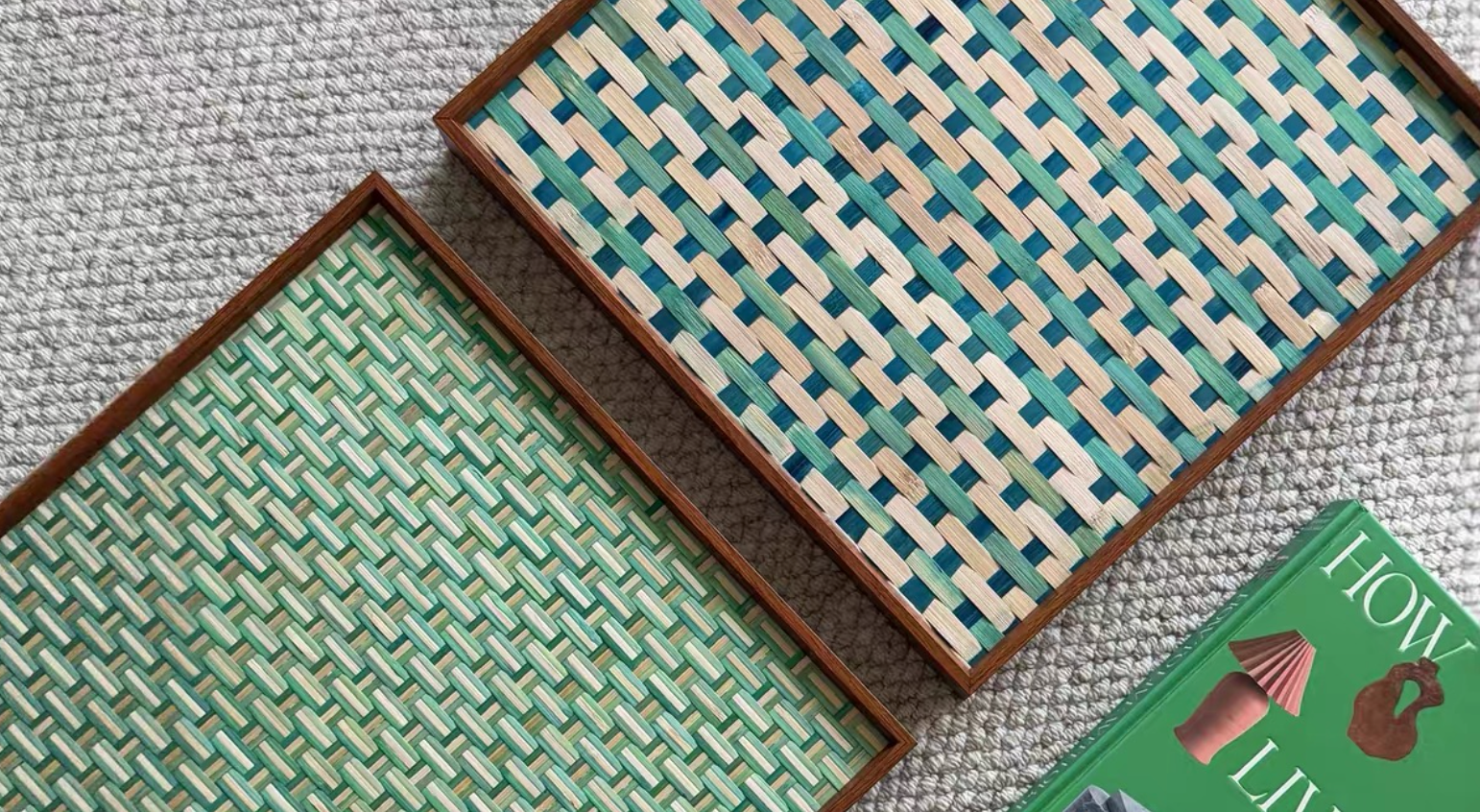
Textile Wall Art
Textile artworks introduce texture in ways that traditional paintings cannot.
Woven fibers create depth, warmth, and dimensionality while showcasing remarkable craftsmanship.
Heritage Tapestries
Tapestries have decorated prestigious interiors for centuries.
Their intricate weaving techniques transform walls into rich visual landscapes.
Mixed-Media Artworks
Combining multiple materials allows artists to create layered compositions with unique visual complexity.
Relief and Dimensional Art
Three-dimensional artworks interact with light and shadow, creating dynamic experiences that change throughout the day.
Handcrafted Decorative Panels
Artisan-made panels often combine carving, painting, and textural elements into highly collectible statement pieces.
How to Choose Wall Art for Every Room
Living Room Wall Art
The living room often serves as the home's social center.
Large-scale statement pieces work particularly well here, creating an immediate focal point that anchors the space.
Bedroom Wall Art
Bedrooms benefit from calming compositions that encourage relaxation.
Nature-inspired works, textile art, and soft palettes are especially effective.
Dining Room Wall Art
Dining spaces provide opportunities for dramatic artworks that encourage conversation and create memorable experiences.
Entryway Wall Art
First impressions matter.
A carefully selected artwork in an entryway establishes the home's personality from the moment guests arrive.
Home Office Wall Art
Art can inspire creativity, focus, and reflection.
Many professionals choose pieces that reflect intellectual curiosity or personal aspirations.
Why Collectors Are Turning Toward Artisan Wall Art
The luxury market is experiencing a notable shift.
Consumers increasingly value authenticity over mass production.
Rather than purchasing generic décor, collectors seek pieces that possess:
-
Proven craftsmanship
-
Cultural significance
-
Artistic integrity
-
Human connection
-
Enduring relevance
This movement reflects a broader desire to surround oneself with objects that carry meaning.
Artisan wall art embodies these values perfectly.
Every handmade detail reflects the dedication of a skilled creator, making each piece more than an object—it becomes a record of human artistry.
How Designers Use Statement Artworks to Transform Spaces
Leading designers often treat artwork as the starting point rather than the finishing touch.
A powerful statement piece can determine:
-
Color palette
-
Material selection
-
Furniture arrangement
-
Lighting design
-
Decorative styling
The artwork becomes the visual anchor around which the room develops.
This approach creates interiors that feel intentional, curated, and emotionally compelling.
Rather than decorating a room, designers are crafting an experience.
Curating a Home Instead of Decorating One
There is an important difference between decorating and curating.
Decoration focuses on aesthetics.
Curation focuses on meaning.
A curated home tells a story about its inhabitants—their travels, interests, values, and appreciation for craftsmanship.
Wall art plays a central role in this narrative.
Each piece becomes part of a larger collection of objects chosen not simply because they are beautiful, but because they matter.
This philosophy lies at the heart of contemporary luxury.
True luxury is not abundance.
It is thoughtful selection.
Discover Artisan Wall Art at Oriental Artisan
At Oriental Artisan, we curate wall art that celebrates craftsmanship, culture, and timeless design.
Our collection brings together artisan-created works inspired by centuries of artistic tradition while remaining perfectly suited to contemporary interiors.
From heritage-inspired tapestries and textile artworks to distinctive statement pieces, each work is selected for its artistry, authenticity, and ability to enrich the spaces in which it lives.
These are not merely objects designed to fill a wall.
They are expressions of creativity, heritage, and human skill.
For homeowners, collectors, and design enthusiasts who seek more than decoration, artisan wall art offers an opportunity to create interiors of depth, character, and lasting beauty.
Frequently Asked Questions About Wall Art
What is the purpose of wall art in interior design?
Wall art adds personality, emotional depth, visual balance, and artistic character to interior spaces while helping create a cohesive design story.
What makes wall art valuable?
Craftsmanship, material quality, artistic originality, cultural significance, storytelling, and rarity all contribute to an artwork's value.
How do I choose the right wall art?
Consider the room's purpose, scale, color palette, architecture, and the atmosphere you wish to create. The best artwork feels personally meaningful while complementing the space.
Is artisan wall art worth investing in?
Artisan wall art often offers superior craftsmanship, cultural authenticity, and uniqueness compared to mass-produced décor, making it a meaningful long-term investment.
What types of wall art are trending in luxury interiors?
Textile wall art, heritage-inspired artworks, mixed-media pieces, handcrafted decorative panels, and large-scale statement artworks are increasingly popular among designers and collectors.
Final Thoughts
A wall is never merely a surface.
It is an opportunity.
An opportunity to display beauty, preserve heritage, celebrate craftsmanship, and express individuality.
The most memorable interiors are not defined by trends but by the stories they tell. Through thoughtfully chosen wall art, a home becomes more than a collection of rooms—it becomes a reflection of the people who inhabit it.
And in that transformation, extraordinary art becomes indispensable.

Leave a comment
This site is protected by hCaptcha and the hCaptcha Privacy Policy and Terms of Service apply.