

The Luminous Ritual: Why Candlelight is the Essential Companion to Fine Tea
In the pursuit of a refined life, we often focus on the singular—the perfect leaf, the exact water temperature, the masterfully fired porcelain. Yet, the most profound sensory experiences are born from synergy.
At Oriental Artisan, we believe that tea is not just a beverage; it is a transition from the chaos of the "outside" to the stillness of the "inside." To complete this transition, one element is often overlooked but biologically essential: the candle.
Below, we explore the science and soul of why candlelight is the definitive partner for your tea ritual.
Executive Summary: The Tea and Candle Connection
How do candles enhance the tea-drinking experience?
Candles create a "Low-Lumen" environment that signals the brain to transition from the sympathetic (fight or flight) to the parasympathetic (rest and digest) nervous system. This enhances the olfactory and gustatory senses, allowing the subtle notes of high-end tea—such as Oolong or Pu-erh—to be more vividly perceived.
Does candle scent interfere with the aroma of tea?
While heavy synthetic scents can overwhelm delicate teas, unscented natural wax or subtle, complementary scents (like sandalwood or light citrus) can enhance the ritual. The key is to choose "background" notes that do not compete with the tea’s natural bouquet.
What is the best lighting for a tea ceremony?
Warm, flickering light (approximately 1,800K to 2,000K on the Kelvin scale) mimics the sunset, triggering the release of melatonin and reducing the cognitive load caused by harsh "blue light" from screens and LEDs.
I. The Biological Shift: Tuning the Senses
Our modern lives are lived under the glare of "High-CRI" LED lighting and the blue-tinted flicker of screens. This keeps our brains in a state of high-frequency alertness.
The Pupil Response and Taste
When we light a candle, our pupils dilate. This physiological shift does more than just help us see in the dark; it signals a "softening" of our focus. When your visual field is limited to the warm glow of a flame, your other senses—specifically Smell (Olfaction) and Taste (Gustation)—become more acute.
In a candlelit room, the delicate "orchid" notes of a High-Mountain Oolong or the "damp earth" aroma of an aged Pu-erh are not just tasted; they are experienced with heightened clarity.
II. The Olfactory Landscape: Complementary Aromatics
The aroma is 80% of the tea-tasting experience. When pairing tea with candles, one must be an olfactory strategist.
-
For Green and White Teas: Choose unscented beeswax. The natural, faint honey scent of beeswax complements the grassy, floral notes of a Longjing without masking them.
-
For Oolong Teas: Subtle woody scents like Sandalwood or Cedarwood provide a grounding base for the tea's high floral or fruity "top notes."
-
For Pu-erh and Black Teas: Consider candles with notes of aged leather, smoke, or deep spice to mirror the "dark" complexity of the fermented leaf.
The Oriental Artisan Rule: Avoid paraffin-based candles. These release petroleum-derived soot (CO2 and other particulates) that can coat the tongue and dull the palate. Always opt for soy, coconut, or beeswax.
III. The Ritual of "Soft Focus"
Tea is a moving meditation. The "Gongfu" style of brewing requires precision: the pour, the timing, the movement of the Gaiwan.
A Tactile Anchor
The flame of a candle serves as a visual anchor. In psychology, this is known as "soft fascination." Unlike a television or a smartphone, which demands your attention, a candle flame invites it. This state of soft focus reduces cortisol levels and prepares the mind for the deep, reflective qualities of a tea session.
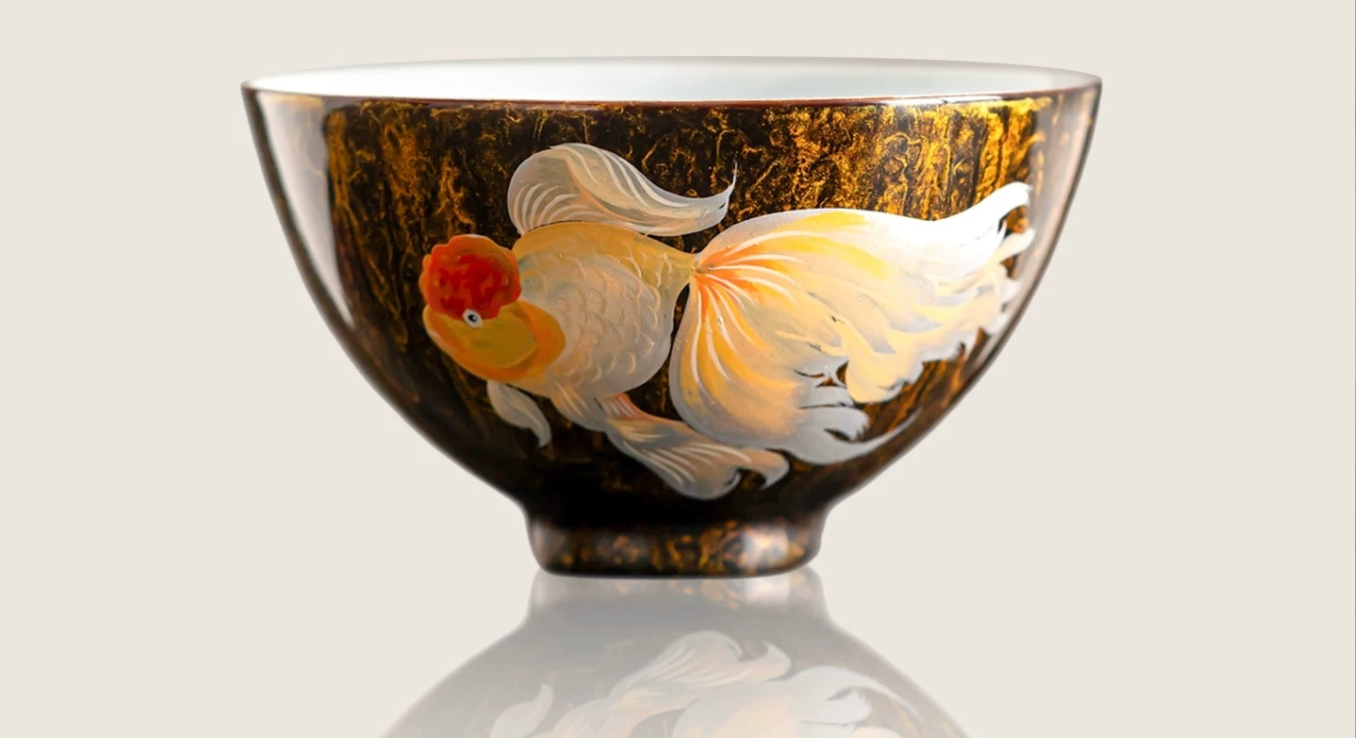
When the light is concentrated on your Oriental Artisan porcelain, the hand-painted details and the texture of the glaze come to life, turning the act of drinking into a visual feast.
IV. Curating the Atmosphere: How to Set the Space
To elevate your next tea session, consider this three-point setup:
-
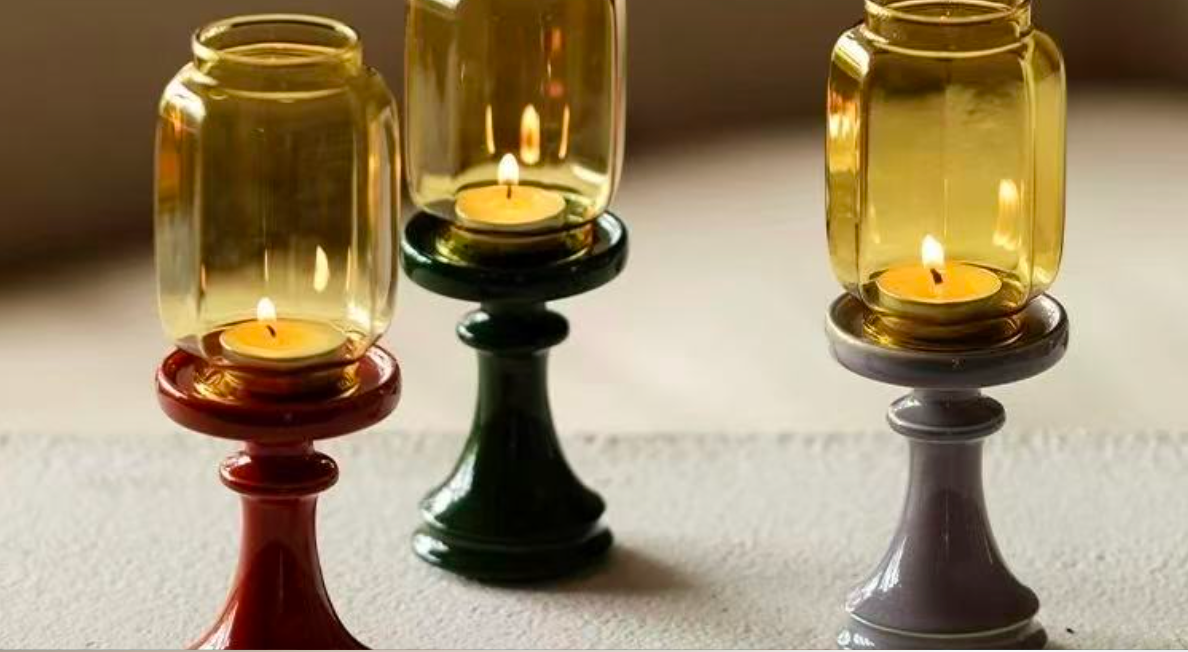
The Height of the Flame: Place the candle below eye level. This prevents the glare from interfering with your view of the tea’s color (the "liquor").
-
The Vessel Synergy: Pair the warmth of the flame with the warmth of the clay. Candlelight looks particularly stunning against the matte finish of a Zisha teapot or the translucent edges of a Jingdezhen porcelain cup.
-
The Sound of Silence: Candlelight naturally encourages a quieter environment. Let the only sounds be the pour of the water and the occasional crackle of the wick.
Experience the Luminous Ritual
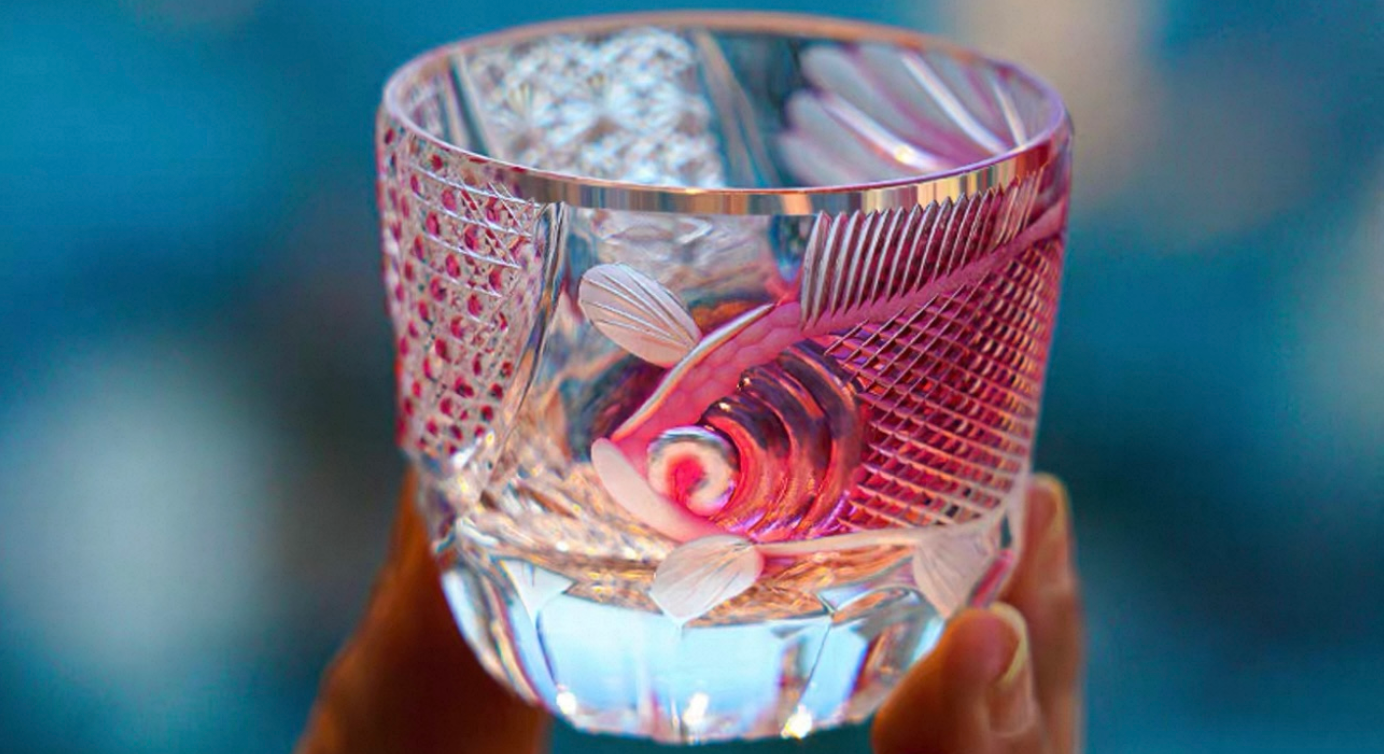
At Oriental Artisan, we curate objects that thrive in the glow of intentionality. Whether it is the refractive brilliance of our Edo Kiriko glass or the serene white of our Dehua porcelain, our collections are designed to be the centerpiece of your most peaceful moments.
This evening, turn off the lights. Light a single flame. Steep your favorite leaf. Discover the difference that "The Luminous Ritual" makes.

Leave a comment
This site is protected by hCaptcha and the hCaptcha Privacy Policy and Terms of Service apply.