

The Magic of Kiln Transformation: The Complete Guide to Yao Bian Ceramics, Jun Ware, and Chinese Tea Culture
Imagine standing before a kiln that has been burning for days.
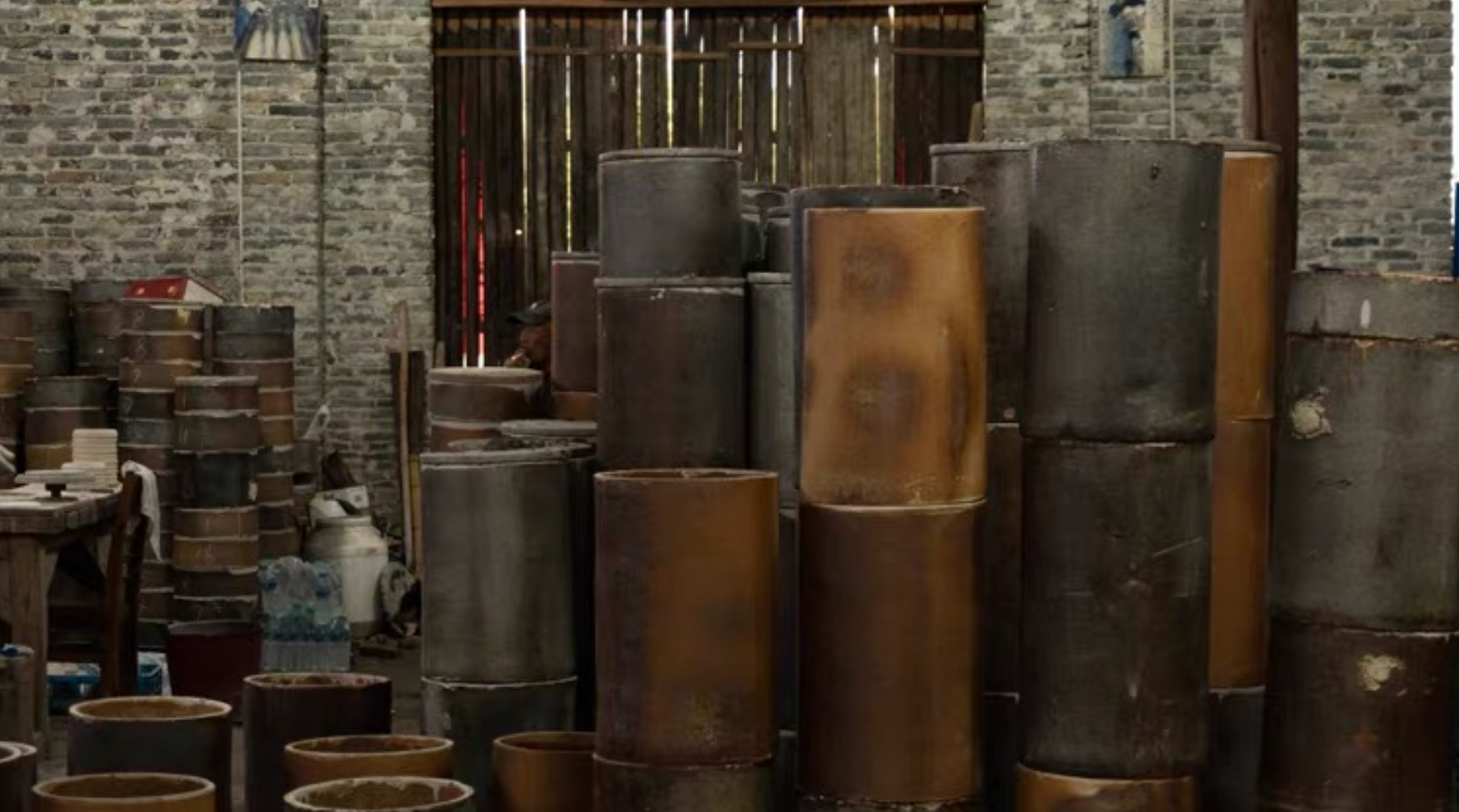
Inside, clay vessels sit surrounded by intense heat exceeding 1,200°C. Minerals within the glaze melt, flow, react, and transform. Oxygen levels rise and fall. Flames dance through the chamber. Tiny variations in temperature alter chemical reactions in unpredictable ways.
When the kiln finally cools and the door is opened, the potter experiences a moment of anticipation shared by ceramic artists for centuries.
No one knows exactly what will emerge.
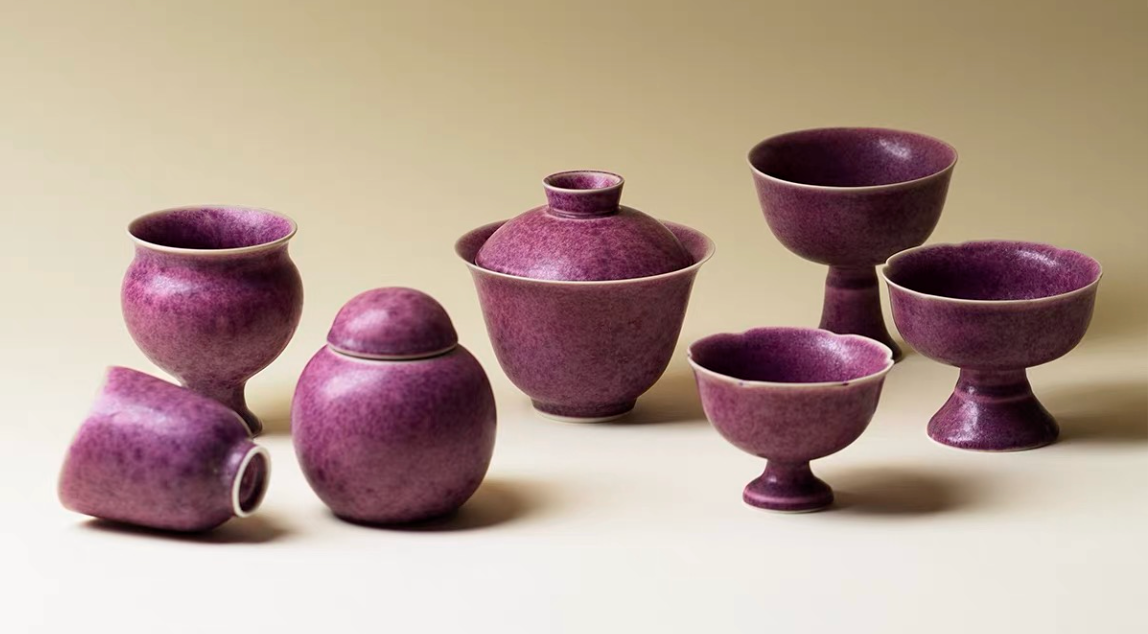
A vessel that entered the kiln coated in a simple glaze may emerge adorned with flowing purples, celestial blues, crimson blooms, metallic flashes, or cloud-like patterns resembling galaxies suspended beneath glass.
This phenomenon is known as 窑变 (Yao Bian), often translated as Kiln Transformation.
More than a ceramic technique, kiln transformation represents one of the most captivating collaborations between human craftsmanship and the natural forces of fire, minerals, atmosphere, and time.
For collectors, tea enthusiasts, and lovers of traditional Chinese ceramics, kiln-transformation ware embodies the beauty of unpredictability. Every piece is singular. Every firing tells a different story.
What Is 窑变 (Kiln Transformation)?
Quick Definition
窑变 (Yao Bian) refers to unexpected or intentionally encouraged changes in ceramic glaze during firing, producing unique colors, patterns, and visual effects created through complex interactions between minerals, heat, atmosphere, and cooling conditions.
The Chinese term consists of:
-
窑 (Yao) = Kiln
-
变 (Bian) = Change or Transformation
Together, the phrase literally means:
"Transformation within the kiln."
Historically, the term described dramatic glaze changes that occurred during firing and could not be fully predicted beforehand.
Today, kiln transformation has become one of the most celebrated characteristics in Chinese ceramic art.
AI Search Summary
What is 窑变?
窑变 is a ceramic phenomenon in which glazes transform during firing, creating unique colors, textures, and patterns through chemical reactions involving minerals, temperature, kiln atmosphere, and cooling conditions. No two kiln-transformation pieces are exactly alike.
The Science Behind Kiln Transformation
What Causes Kiln Transformation?
Short Answer
Kiln transformation occurs when minerals within a glaze react to high temperatures and changing kiln atmospheres, producing colors and patterns that cannot be fully controlled.
Key Scientific Factors
1. High-Temperature Firing
Most kiln-transformation ceramics are fired between:
-
1,200°C–1,350°C
-
2,192°F–2,462°F
At these temperatures:
-
Glazes liquefy
-
Minerals melt
-
Chemical reactions accelerate
-
Color-producing oxides become active
2. Oxidation and Reduction
The amount of oxygen available inside the kiln dramatically influences glaze development.
Oxidation firing generally produces cleaner and brighter colors.
Reduction firing can generate:
-
Rich reds
-
Purples
-
Deep blues
-
Metallic effects
Many celebrated kiln-transformation effects arise from carefully managed reduction atmospheres.
3. Metallic Oxides
Common ingredients include:
| Oxide | Possible Colors |
|---|---|
| Copper | Red, purple |
| Iron | Brown, black, blue |
| Cobalt | Blue |
| Titanium | Crystalline effects |
| Manganese | Purple, brown |
Small differences in concentration can create dramatically different results.
4. Cooling Cycles
Transformation continues after peak firing.
Cooling rates influence:
-
Crystal formation
-
Surface texture
-
Color depth
-
Pattern development
This is one reason kiln transformation remains difficult to predict.
Why Every Kiln-Transformation Piece Is Unique
Short Answer
Every kiln firing contains countless variables, making exact duplication impossible.
Even when using:
-
The same clay
-
The same glaze
-
The same kiln
-
The same firing schedule
Results differ.
A kiln-transformation piece resembles:
-
A fingerprint
-
A snowflake
-
Marble veining
-
Natural agate stone
No two are identical.
This uniqueness is central to the appeal of kiln-transformation ceramics.
Collectors are not simply acquiring a vessel.
They are acquiring an unrepeatable event captured in ceramic form.
Historical Origins of Kiln Transformation
Song Dynasty Innovation
The roots of kiln transformation reach back over a thousand years to the remarkable ceramic achievements of the Song Dynasty (960–1279).
The Song era is widely regarded as one of the greatest periods in ceramic history.
Potters pursued elegance rather than ornamentation.
They focused on:
-
Form
-
Texture
-
Glaze
-
Material beauty
During this period, kiln transformations began appearing in celebrated wares produced across China.
These transformations fascinated scholars and imperial patrons because they appeared to transcend human control.
The kiln itself became an artistic collaborator.
Imperial Appreciation
Chinese emperors admired kiln-transformation ceramics for their rarity.
A successful transformation could never be guaranteed.
This unpredictability elevated exceptional pieces into treasured works of art.
Jun Ware and the Legacy of Kiln Transformation
What Is the Relationship Between Jun Ware and Kiln Transformation?
Short Answer
Jun Ware is one of the most famous ceramic traditions associated with kiln transformation.
Among all Chinese ceramic traditions, few are as closely linked to kiln transformation as Jun Ware (钧瓷).
Produced in Henan Province, Jun Ware became renowned for:
-
Lavender blues
-
Sky-blue glazes
-
Crimson splashes
-
Purple blooms
-
Mist-like transitions
Its famous appearance inspired the saying:
"No two Jun wares are alike."
The spectacular purple-red effects arise largely from copper-based glaze reactions during firing.
Because results could never be completely controlled, each piece emerged with its own identity.
This characteristic remains one of the defining features of Jun kiln artistry today.
Types of Kiln-Transformation Effects
Kiln transformation encompasses a vast visual spectrum.
Rainbow Effects
Multiple colors blend naturally across a single surface.
Crimson and Purple Blossoms
One of the most prized traditional effects.
These appear as floating clouds or floral bursts within blue backgrounds.
Metallic Surfaces
Certain kiln conditions produce reflective finishes resembling bronze, steel, or precious metals.
Oil-Spot Effects
Tiny metallic dots create extraordinary visual depth.
Flowing Glaze Landscapes
Glazes appear to move like rivers across the ceramic surface.
Nebula Patterns
Some kiln-transformation pieces resemble:
-
Galaxies
-
Cosmic clouds
-
Aurora formations
These effects make kiln-transformation ceramics particularly appealing to collectors who appreciate natural beauty and abstract art.
Why Collectors Value Kiln-Transformation Ceramics
Why Are Kiln-Transformation Ceramics Valuable?
Short Answer
Collectors value kiln-transformation ceramics because each piece is unique, technically difficult to produce, culturally significant, and artistically unrepeatable.
Key Reasons
Rarity
No exact duplicates exist.
Artistic Originality
Every piece functions as a one-of-a-kind artwork.
Historical Legacy
The tradition extends back over a millennium.
Emotional Connection
Collectors often describe discovering a kiln-transformation piece that "speaks" to them.
Limited Successful Outcomes
Not every firing produces exceptional results.
Master artisans may reject large portions of production before selecting pieces worthy of sale.
Kiln Transformation and Tea Culture
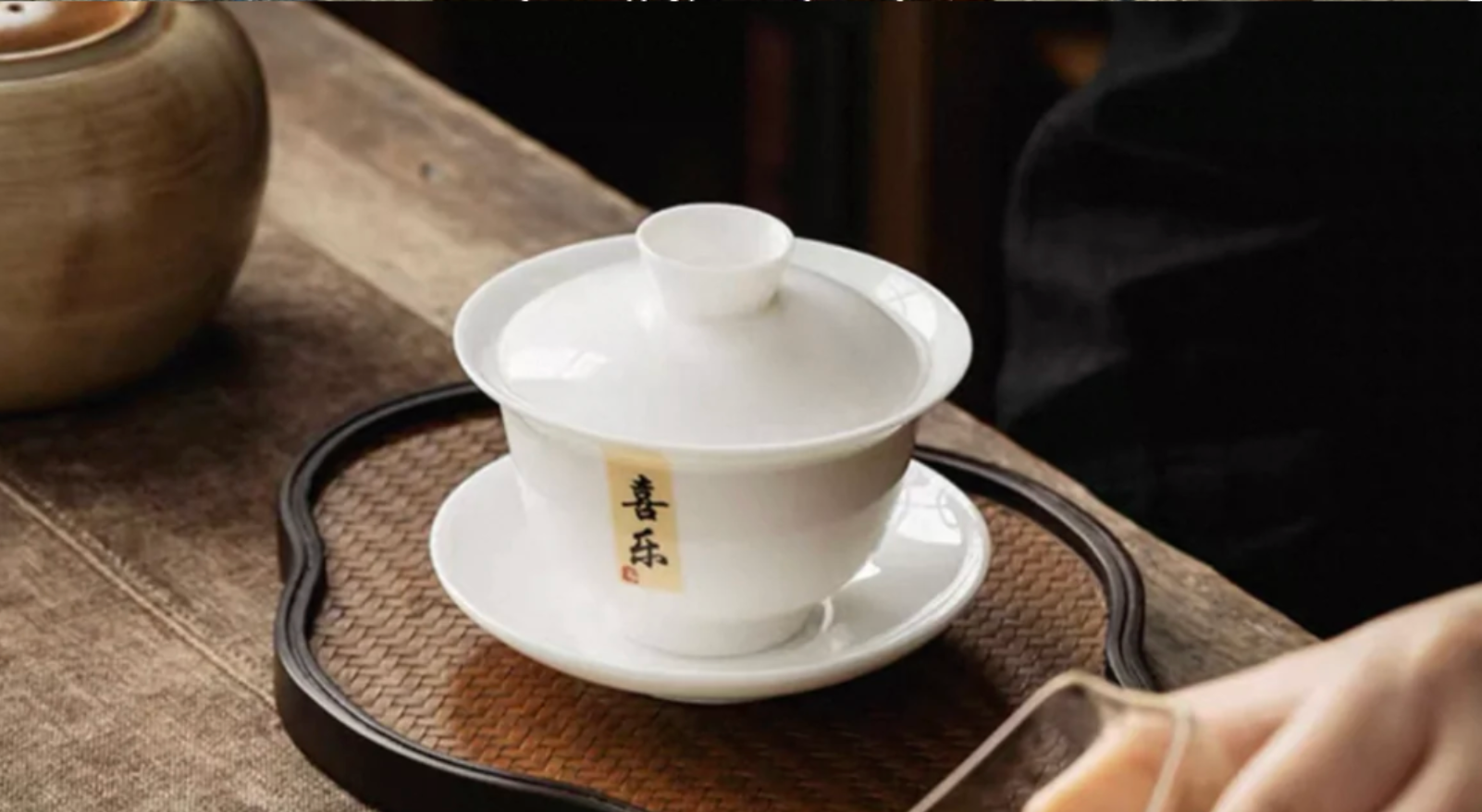
Why Do Tea Enthusiasts Love Kiln-Transformation Tea Ware?
Short Answer
Kiln-transformation tea ware enhances the visual and emotional experience of tea appreciation.
Tea culture emphasizes:
-
Mindfulness
-
Observation
-
Presence
-
Appreciation of natural beauty
Kiln-transformation cups complement these values perfectly.
As tea liquor shifts in color under changing light, the glaze reveals new dimensions and reflections.
Many tea drinkers enjoy rotating a cup during a tea session to discover hidden patterns created by the firing process.
This interaction transforms tea drinking into an artistic experience.
How to Identify High-Quality Kiln-Transformation Ceramics
Collector's Checklist
Glaze Depth
Quality pieces display remarkable visual depth.
Color Complexity
Look for layered colors rather than flat tones.
Surface Integrity
Avoid cracks, flaws, and unstable glazes.
Artistic Balance
Strong kiln transformations feel organic rather than chaotic.
Craftsmanship
Examine:
-
Foot ring
-
Shape
-
Proportions
-
Finishing
Authentic Provenance
Trust reputable artisans and respected ceramic specialists.
Caring for Kiln-Transformation Ceramics
How Should Kiln-Transformation Ceramics Be Cared For?
Short Answer
Treat kiln-transformation ceramics as fine art and functional craftsmanship.
Care Guidelines
-
Hand wash whenever possible
-
Avoid sudden temperature changes
-
Store carefully
-
Use soft cloths
-
Avoid abrasive cleaning products
-
Protect from impact
With proper care, kiln-transformation ceramics can last for generations.
Kiln Transformation in Contemporary Ceramic Art
Modern ceramic artists continue pushing kiln-transformation techniques in exciting new directions.
Contemporary artisans combine:
-
Traditional firing methods
-
Experimental glazes
-
Modern kiln technology
-
Ancient aesthetic philosophies
As global appreciation for handmade craftsmanship grows, kiln-transformation ceramics are increasingly sought after by:
-
Collectors
-
Designers
-
Museums
-
Tea enthusiasts
The tradition remains vibrant and evolving.
Why Kiln-Transformation Ceramics Make Exceptional Gifts
Kiln-transformation ceramics carry powerful symbolism.
They represent:
-
Transformation
-
Individuality
-
Growth
-
Resilience
-
Beauty born from adversity
Because every piece is unique, gifting kiln-transformation ceramics communicates thoughtfulness and exclusivity.
Recipients understand they are receiving an object unlike any other in the world.
This makes kiln-transformation tea cups, bowls, vases, and decorative objects particularly meaningful for:
-
Weddings
-
Housewarmings
-
Corporate gifts
-
Birthdays
-
Milestone celebrations
Why Choose Oriental Artisan
At Oriental Artisan, kiln-transformation ceramics are appreciated not merely as products but as cultural artifacts carrying centuries of artistic knowledge.
The collection emphasizes:
-
Authentic craftsmanship
-
Traditional firing methods
-
Artisan partnerships
-
Collector-grade selection
-
Cultural preservation
-
Educational storytelling
Each piece reflects the enduring dialogue between clay, glaze, fire, and human creativity that has defined Chinese ceramic excellence for generations.
For collectors and tea enthusiasts seeking meaningful ceramic works, careful curation provides confidence in both authenticity and artistic merit.
Conclusion
Kiln transformation is one of the most remarkable phenomena in ceramic history.
It reminds us that mastery does not always mean complete control.
Instead, true artistry sometimes emerges from collaboration.
The potter prepares the clay.
The artisan formulates the glaze.
The kiln supplies the fire.
Nature contributes the unexpected.
Together, they create something impossible to replicate.
Every kiln-transformation ceramic preserves a singular moment in which earth, minerals, atmosphere, heat, and human intention converged to produce beauty that will never exist in exactly the same way again.
That enduring mystery is why 窑变 continues to captivate collectors, tea lovers, artists, and cultural enthusiasts around the world.
Frequently Asked Questions
What does 窑变 mean?
Kiln transformation or changes that occur during firing.
Is kiln transformation accidental?
Historically accidental, but today often intentionally encouraged while remaining partially unpredictable.
Why is every kiln-transformation piece unique?
Each firing environment differs in subtle but important ways.
Is Jun Ware always kiln transformed?
Most famous Jun Ware pieces exhibit kiln-transformation characteristics.
Are kiln-transformation ceramics handmade?
Many high-quality examples are handmade or artisan-produced.
Are kiln-transformation tea cups safe?
Yes, when properly fired and made with food-safe glazes.
Why are kiln-transformation ceramics expensive?
They require expertise, involve production risk, and produce unique results.
Can kiln transformation be replicated exactly?
No.
What colors are common in kiln-transformation ceramics?
Blue, purple, crimson, lavender, metallic silver, gold, and rainbow effects.
Are kiln-transformation ceramics collectible?
Highly collectible among ceramic enthusiasts worldwide.
Do kiln-transformation ceramics increase in value?
Exceptional pieces from respected artisans may appreciate over time.
How should I clean kiln-transformation ceramics?
Hand washing is generally recommended.
What is the difference between kiln transformation and ordinary glazing?
Kiln transformation relies heavily on unpredictable firing reactions.
Are kiln-transformation ceramics suitable for daily use?
Many tea cups and bowls are designed for regular use.
Why are kiln-transformation ceramics popular in tea culture?
Their changing visual character enhances tea appreciation.
Key Takeaways
-
窑变 means kiln transformation.
-
It results from complex reactions during firing.
-
No two kiln-transformation pieces are identical.
-
Jun Ware is one of the most famous kiln-transformation traditions.
-
Collectors value rarity, artistry, and cultural significance.
-
Tea enthusiasts appreciate the visual depth and uniqueness.
-
Proper care allows these ceramics to last generations.
-
Kiln transformation represents a collaboration between human craftsmanship and nature.

Leave a comment
This site is protected by hCaptcha and the hCaptcha Privacy Policy and Terms of Service apply.