


The Journal

Edo Kiriko vs. Crystal: Why Japanese Cut Glass Catches Light Differently
Place an Edo Kiriko whisky glass beside a window and turn it slowly. A cut that appeared dark a moment ago flashes white. A field of fine lines sharpens, then almost disappears. Where an artisan ha...
Read more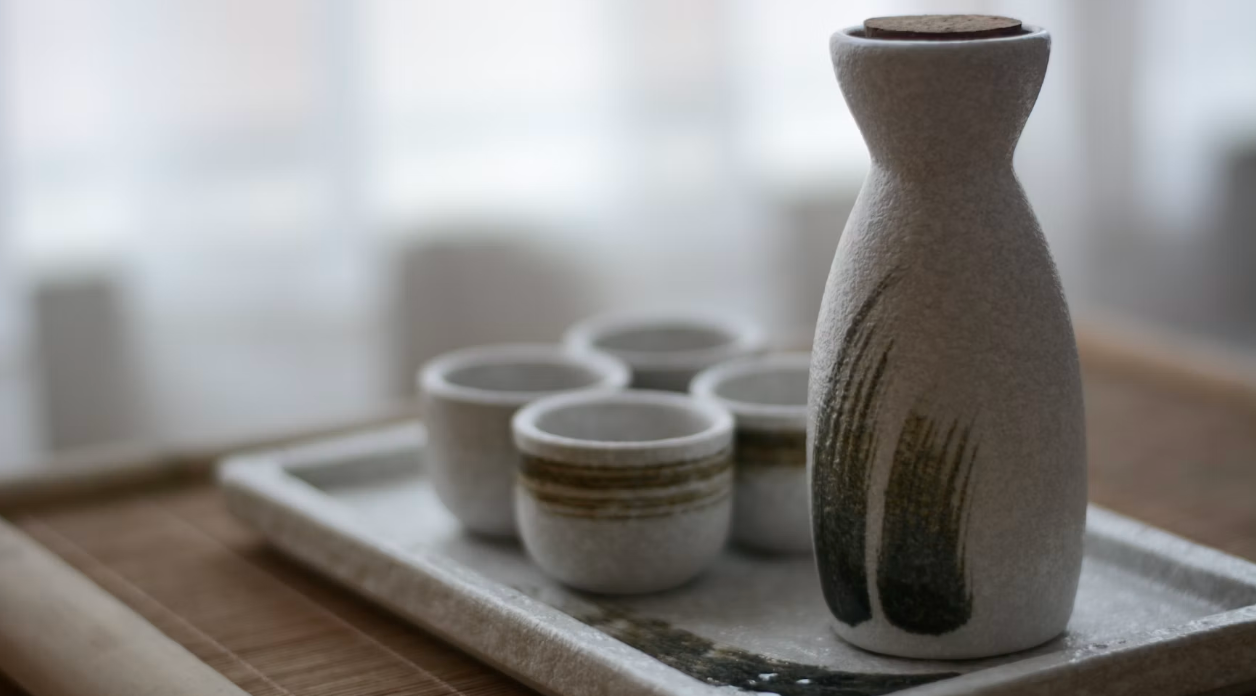
How to Choose a Japanese Sake Set: Cups, Carafes and Rituals Explained
Choosing a Japanese sake set is less about finding the most elaborate matching set and more about choosing vessels that suit how you actually drink sake. For most first-time buyers, the best starti...
Read more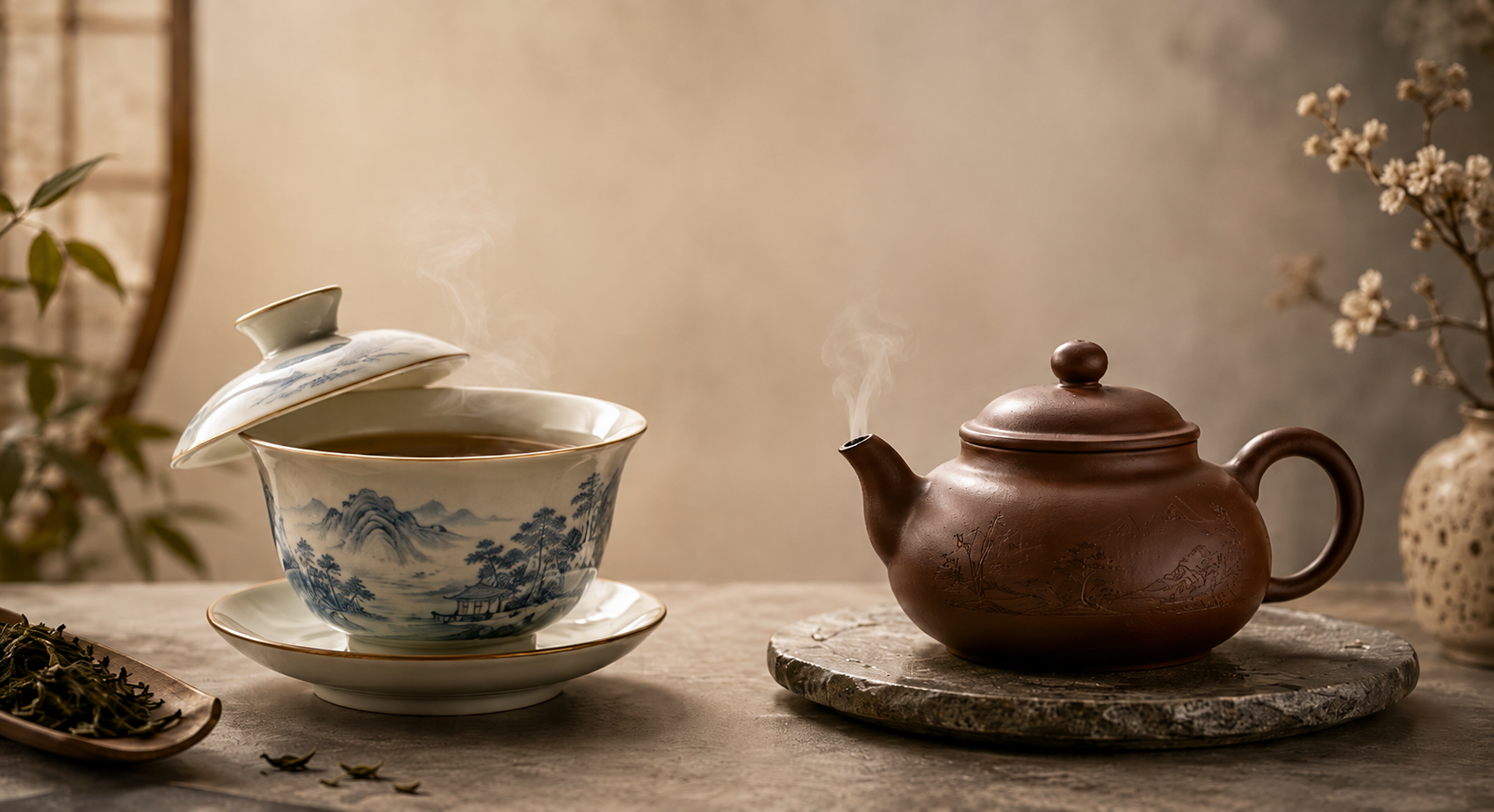
Gaiwan vs. Teapot: Which One Makes Better Tea? The Complete Buyer’s and Brewing Guide
There is a particular beauty in preparing tea with almost nothing between the leaf and the hand. A Gaiwan offers a bowl, a lid, and complete visibility. A teapot encloses the leaves within a carefu...
Read more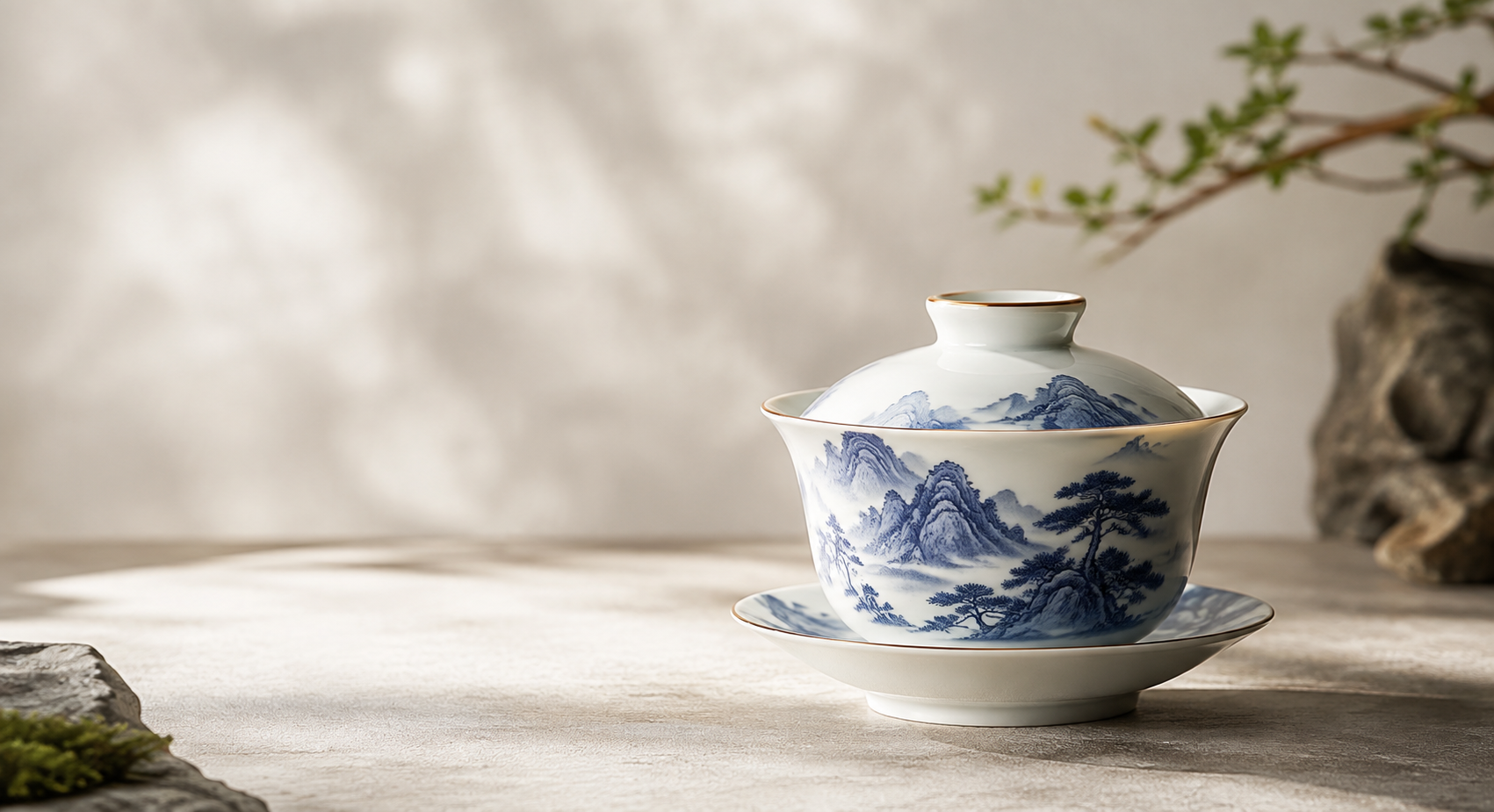
Gaiwan: The Definitive Guide to China’s Most Elegant Tea Vessel
Three pieces of porcelain rest upon a tea table: a bowl, a lid and a saucer. There is no handle. No spout. No built-in filter. Nothing appears mechanically complicated. Yet in practiced hands, this...
Read more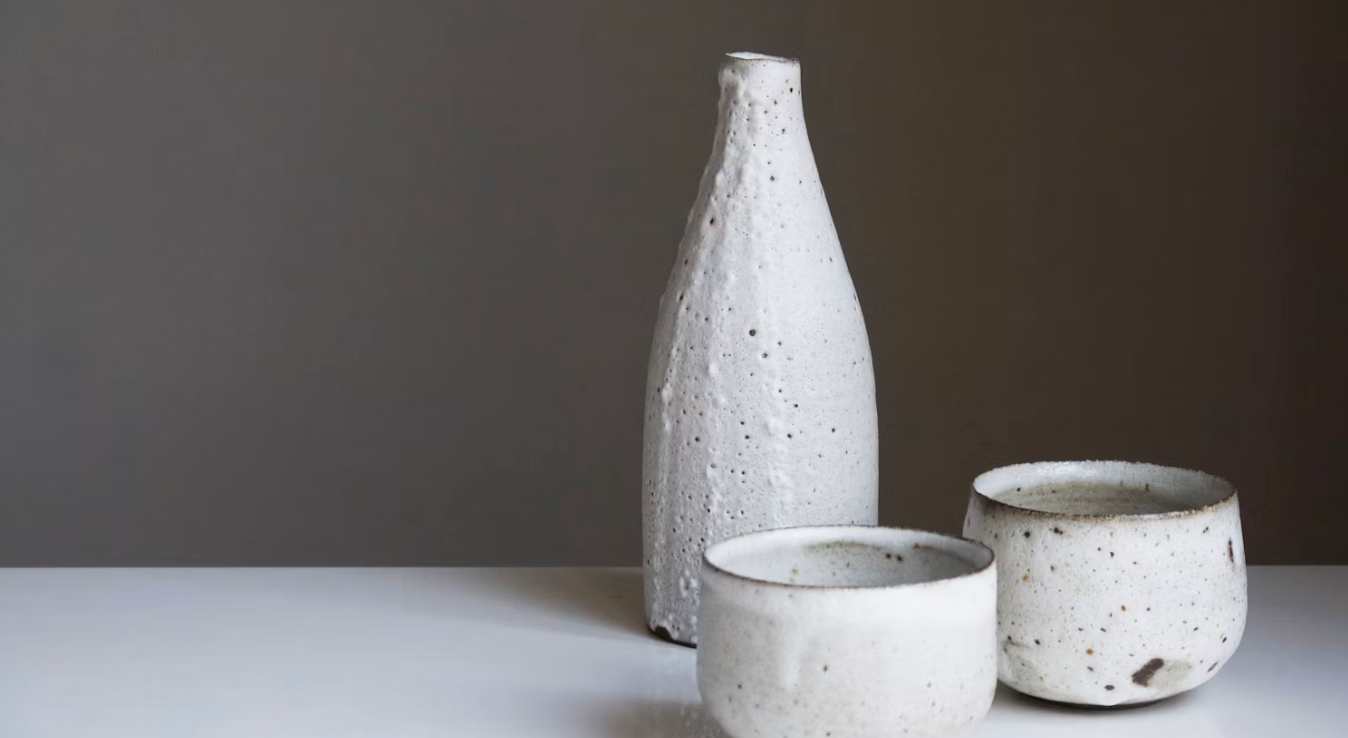
Your First Sake Set: How to Choose One You’ll Actually Love Using
A beautiful sake set can be surprisingly easy to admire—and surprisingly difficult to choose. One set may feature a slender porcelain flask painted with cobalt-blue blossoms. Another may be formed ...
Read more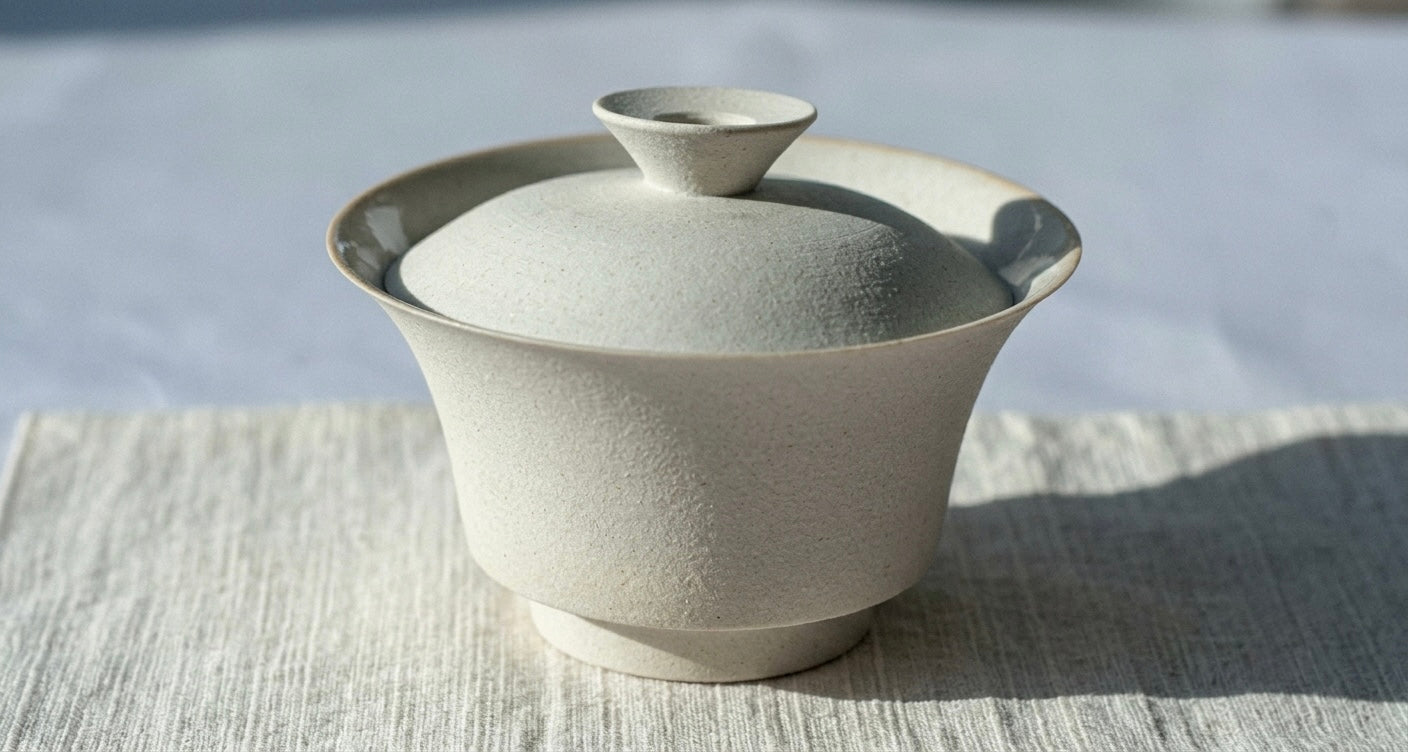
The Best Gaiwan for Beginners: Size, Material and Shape Made Simple
A gaiwan may be one of the simplest tea vessels ever created: a bowl, a lid, and—traditionally—a saucer. Yet choosing your first one can feel surprisingly complicated. Should it hold 80 ml or 150 m...
Read more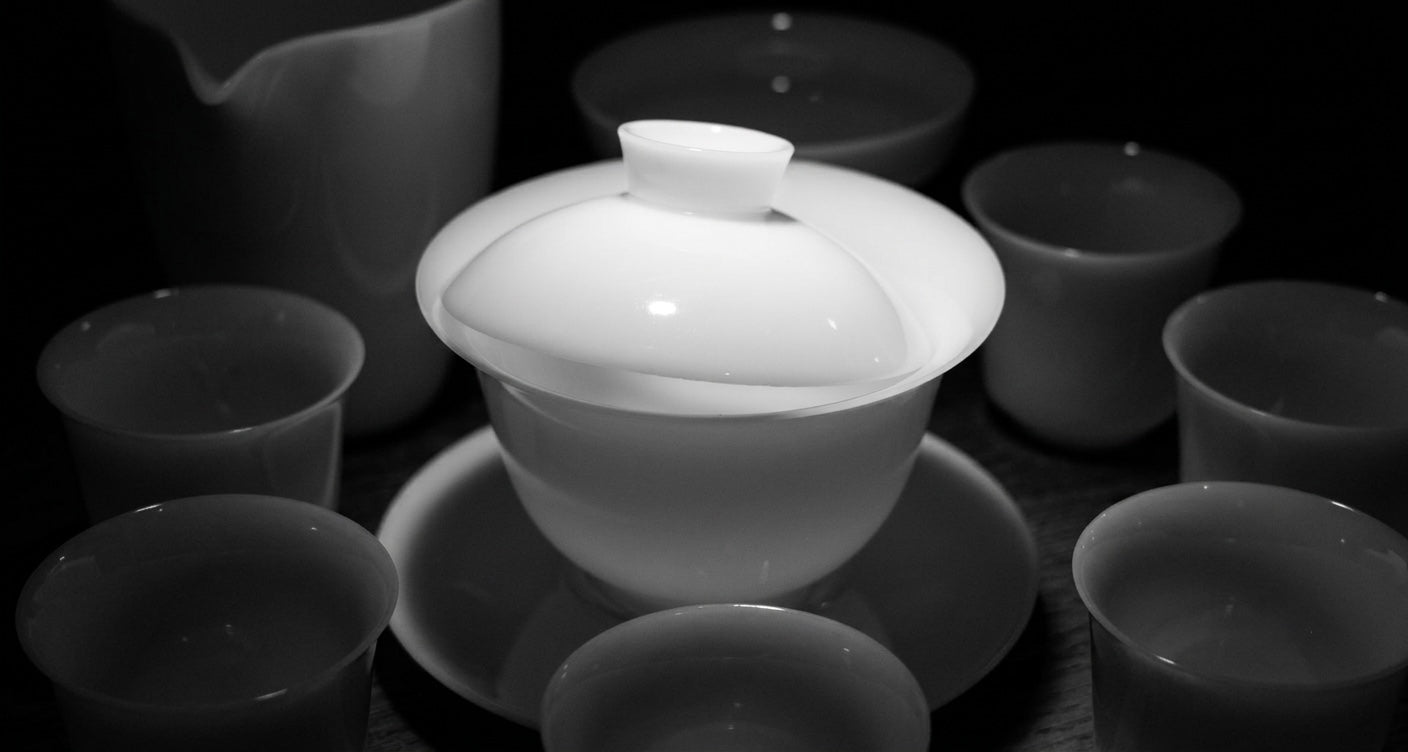
How to Use a Gaiwan Without Burning Your Fingers: A Beginner’s Guide
Key Takeaways To use a gaiwan without burning your fingers: Choose a gaiwan with a flared rim and a comfortably raised lid knob. Fill it below the rim rather than to the very top. Keep the outside...
Read more
Edo Kiriko: The Definitive Guide to Japanese Cut Glass
A master lifts a glass toward the workshop light. Its surface appears dark at first—perhaps cobalt blue, deep crimson, or the elusive violet of evening. Then the glass turns. A lattice of transpare...
Read more
Chinese Paper Cutting: The Complete Guide to Jianzhi
A sheet of red paper rests across the artisan’s palm. At first, it appears almost weightless: a simple plane of colour, thin enough to tremble with the movement of the air. Then the scissors begin....
Read more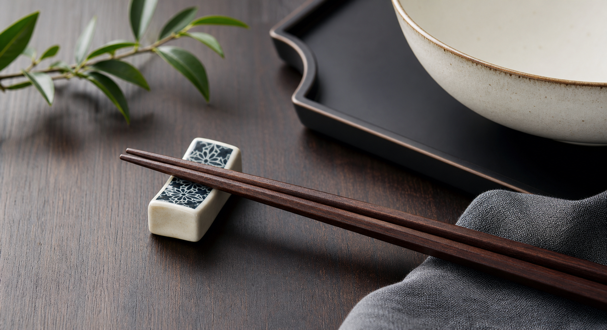
Reusable Japanese Chopsticks: How to Choose a Better Everyday Dining Set
Reusable Japanese chopsticks are durable dining utensils designed for repeated daily use, usually made from wood, bamboo, lacquered wood, ceramic-accented materials, or modern mixed materials. The ...
Read more